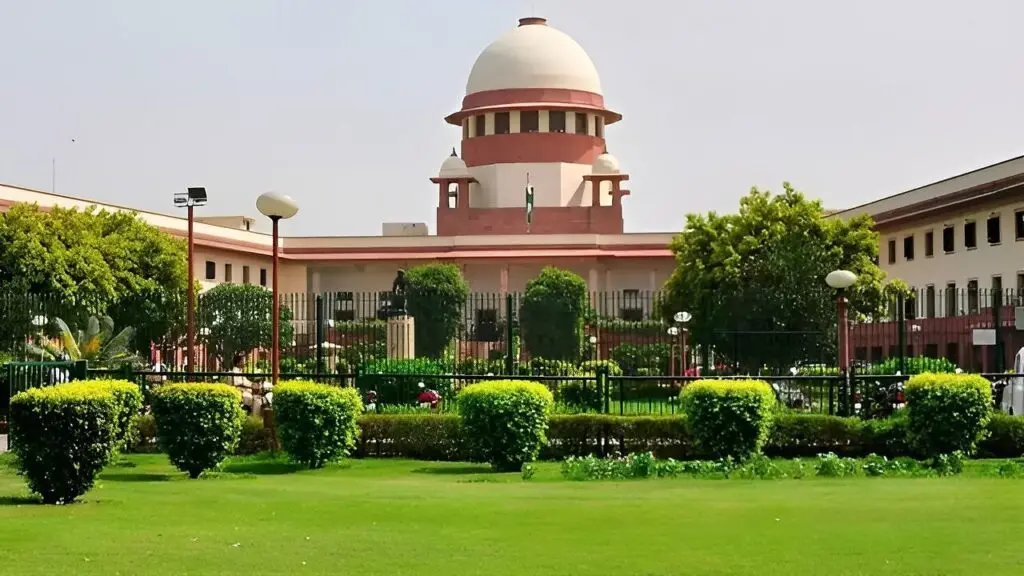















Now Reading: Supreme Court: No GST arrest without communicating reasons
-
01
Supreme Court: No GST arrest without communicating reasons



The Supreme Court ruled on Wednesday that GST authorities cannot arrest a person without first communicating the order authorising the arrest and the 'reasons to believe' recorded by the commissioner. A bench…
The Story in Brief
The Supreme Court ruled on Wednesday that GST authorities cannot arrest a person without first communicating the order authorising the arrest and the 'reasons to believe' recorded by the commissioner. A bench of justices Dipankar Datta and Sheel Nagu said withholding such reasons could have 'drastic consequences' for the right to liberty. The communication, it added, can be made by email.

The judgment came as the court set aside a Bombay High Court order granting Future Group director Sunil Biyani one week's protection from arrest in a GST probe. The high court had called his anticipatory bail plea premature but still gave cover. The Supreme Court found that impermissible. It directed the GST commissioner to communicate the Section 69 order to Biyani, after which he can seek legal remedies.

The Indian Opinion
Some will paint this ruling as a blow to GST enforcement, others as a win for accused businessmen. Neither side is right. The court did not bar arrests; it simply said the arrest order and the commissioner's 'reasons to believe' must be handed over before handcuffs go on. That is basic fairness. If the reasons are weak, the order will fall in court. If strong, it will hold. The real test is how quickly GST officers now start documenting their reasons properly, or if they try to avoid arrest authorisations altogether.
Sources (2): hindustantimes.com, hindustantimes.com (2)
This story was synthesised by AI from the 2 sources linked above.
Updated: this story now draws on 2 sources.