










Now Reading: SC tells govt to create emergency digital content removal mechanism
-
01
SC tells govt to create emergency digital content removal mechanism


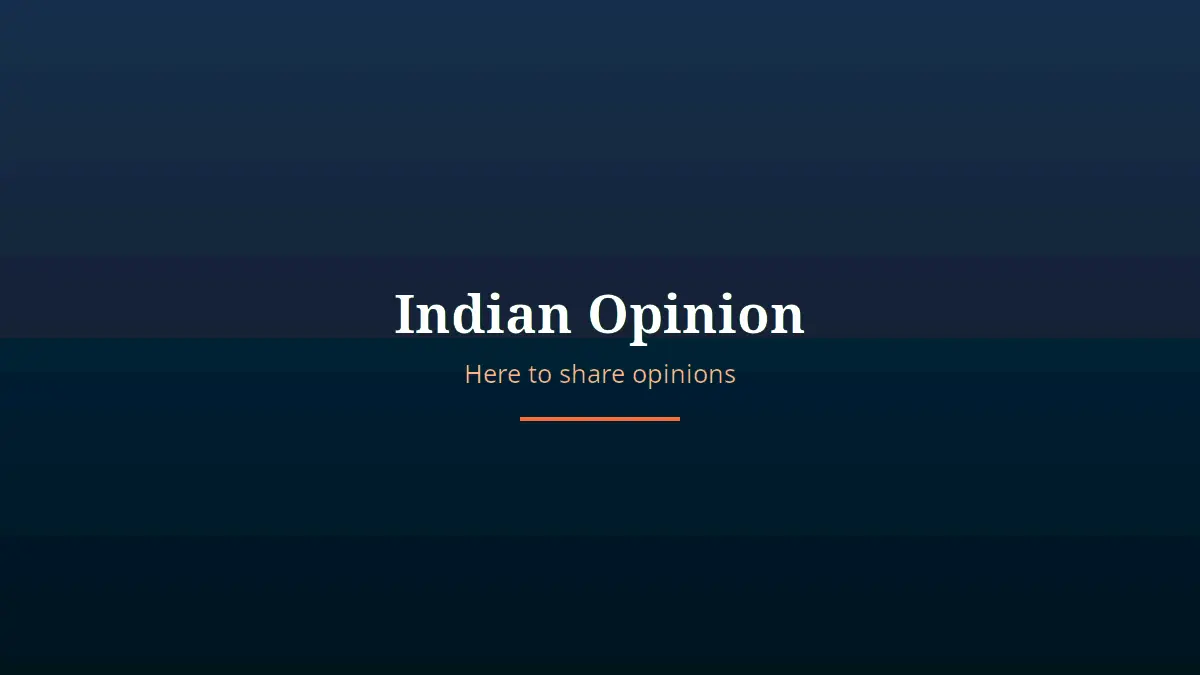
The Supreme Court on Tuesday ordered the home ministry and MeitY to urgently create a URL-specific, judicially supervised emergency mechanism to protect citizens from grave unlawful digital content. A bench headed by…
The Story in Brief
The Supreme Court on Tuesday ordered the home ministry and MeitY to urgently create a URL-specific, judicially supervised emergency mechanism to protect citizens from grave unlawful digital content. A bench headed by Chief Justice Surya Kant disposed of a PIL by advocate N K Goswami that highlighted digital threats including violence, doxxing, exposure of minors' private details, non-consensual intimate or deepfake content, and identity-manipulating AI impersonation. The court said such cyber crimes seriously harm the right to freedom of speech, dignity, privacy and life. Goswami clarified he sought no blanket ban on political speech, criticism, satire, journalism or public-interest reporting.
The Indian Opinion
This order will please those who want swift takedowns of deepfakes and doxxing, but it also risks a slippery slope. Some voices will demand near-automatic removal, while others will cry censorship at the first URL blocked. The petitioner himself ruled out a blanket ban. The real test is the mechanism's design: will it let platforms appeal, and will the judiciary really supervise each takedown? Watch how the rules define 'grave unlawful' and how many complaints get rejected in the first quarter. That number will separate protection from overreach.
Sources (2): timesofindia.indiatimes.com, legal.economictimes.indiatimes.com
This story was synthesised by AI from the 2 sources linked above.
Updated: this story now draws on 2 sources.