















Now Reading: SCAORA Doubles Fee, Seeks End of Daily Sequencing in Court
-
01
SCAORA Doubles Fee, Seeks End of Daily Sequencing in Court


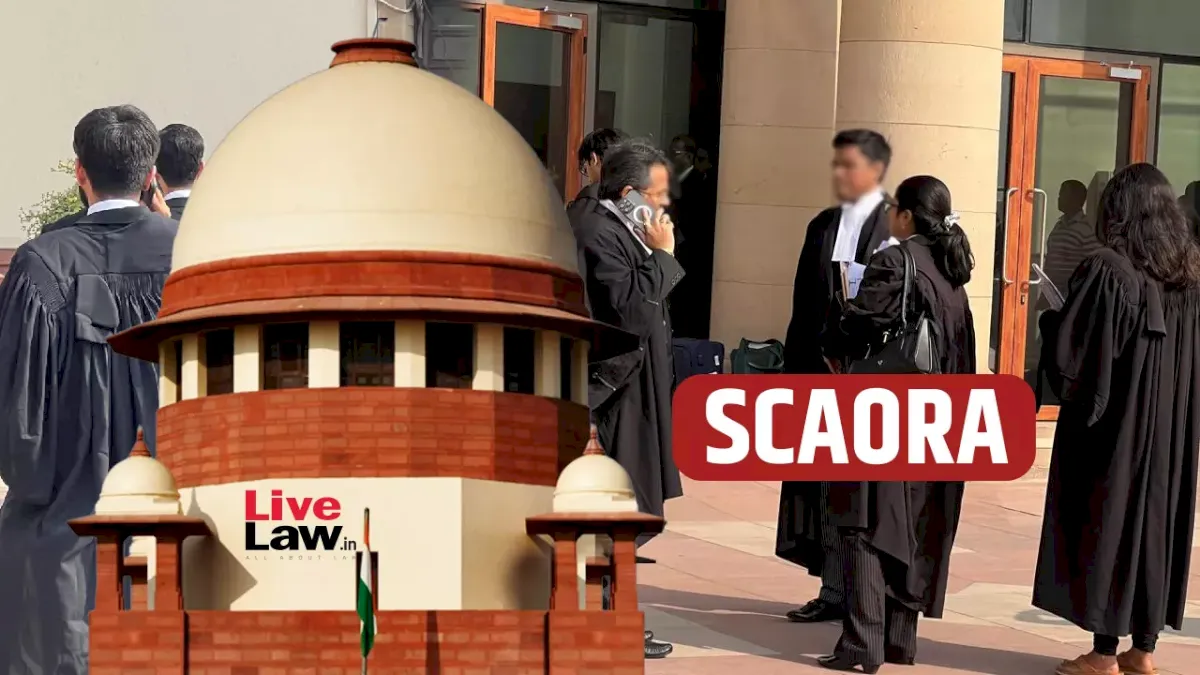
The Supreme Court Advocates-on-Record Association (SCAORA) General Body has unanimously doubled its annual membership fee from Rs 500 to Rs 1,000 to meet rising expenses. The body also resolved that matters should…
The Story in Brief
The Supreme Court Advocates-on-Record Association (SCAORA) General Body has unanimously doubled its annual membership fee from Rs 500 to Rs 1,000 to meet rising expenses. The body also resolved that matters should be taken up strictly by serial number in the cause list, ending the existing daily sequencing except in exceptional cases. This aims to bring predictability for advocates.

SCAORA demanded that the Registry scrutinise and notify defects within 48 hours of filing, with time taken by the Registry excluded from delay calculations. It called for comprehensive defect marking at first scrutiny and no fresh defects later unless re-filed material changes. The body also resolved that the 1.92-acre ITO land must be used exclusively for advocates' chambers, not workstations, and that advocates-on-record be involved in the AOR exam process.
The Indian Opinion
Some may dismiss the SCAORA resolutions as internal bar politics, but the demands for predictable listing and a 48-hour defect window address real frustrations. Lawyers and litigants alike suffer when cases are taken up randomly or registries take weeks to flag errors. The test now is whether the Supreme Court registry will implement these reforms swiftly and transparently, or let them gather dust. Will the next cause list reflect serial-number order as resolved?
Source: livelaw.in
This story was synthesised by AI from the source linked above.