






















Now Reading: Scientists slam railway doubling EIA for Western Ghats route
-
01
Scientists slam railway doubling EIA for Western Ghats route


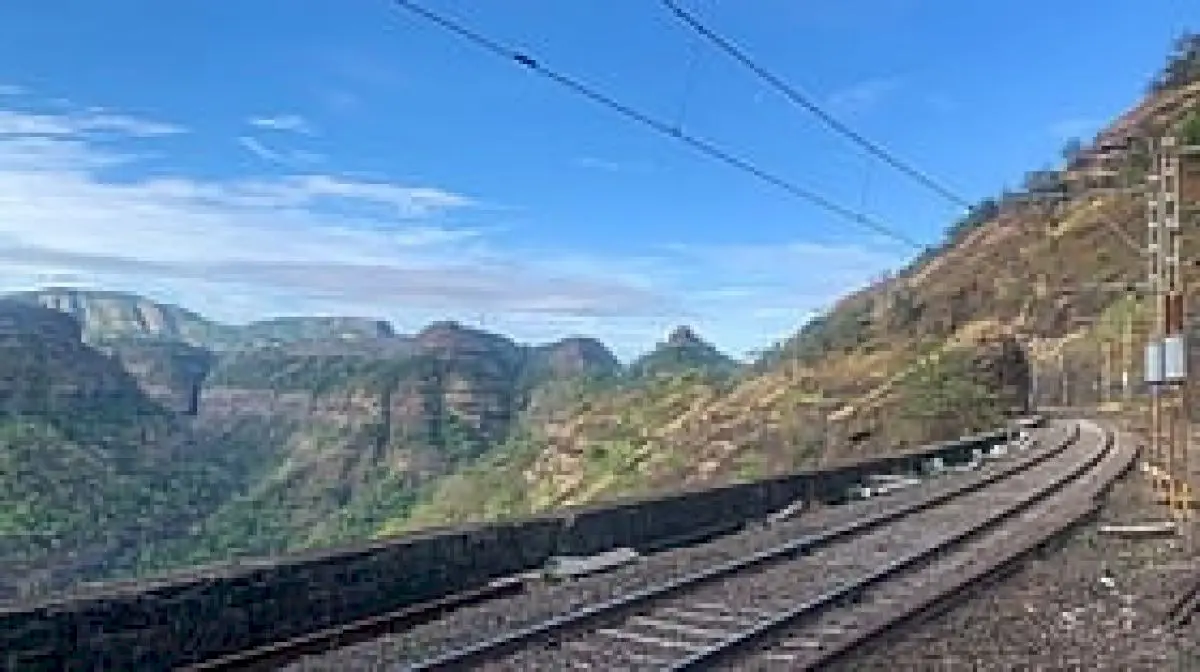
A peer-reviewed study by 20 scientists from Karnataka and Goa has rejected the Wildlife Institute of India's environmental impact assessment for the Tinaighat-Kulem railway doubling, calling it scientifically inadequate. The project, part…
The Story in Brief
A peer-reviewed study by 20 scientists from Karnataka and Goa has rejected the Wildlife Institute of India's environmental impact assessment for the Tinaighat-Kulem railway doubling, calling it scientifically inadequate. The project, part of a 342-km expansion linking Karnataka's mining areas to Goa's Vasco port, would cut through Kali tiger reserve and Bhagwan Mahavir wildlife sanctuary, requiring felling of 19,182 trees in the Western Ghats.
The review published in the Journal of Threatened Taxa says the EIA omits freshwater fish, insects and fungi, and fails to assess habitat fragmentation and wildlife corridor connectivity. The authors warn of increased wildlife mortality from train collisions. The Deccan Herald reports the Goa State Board for Wildlife rejected the proposal in 2013, and the Supreme Court in 2022 set aside earlier wildlife clearance, noting irreversible ecological damage for marginal railway gains.
The Indian Opinion
The railway doubling is framed as a connectivity project, yet the claims of marginal gains versus irreversible damage demand scrutiny. The 2022 Supreme Court order and the 2013 Goa wildlife board rejection are inconvenient facts that silence with convenience. Watch for whether the Union environment ministry orders a fresh, independent EIA or rubber-stamps the current one. A simple question: will the project's own data on tree loss and wildlife corridors be made public and peer-reviewed?
Source: deccanherald.com
This story was synthesised by AI from the source linked above.