













Now Reading: Sexual history of survivors still shadows rape trials despite law
-
01
Sexual history of survivors still shadows rape trials despite law


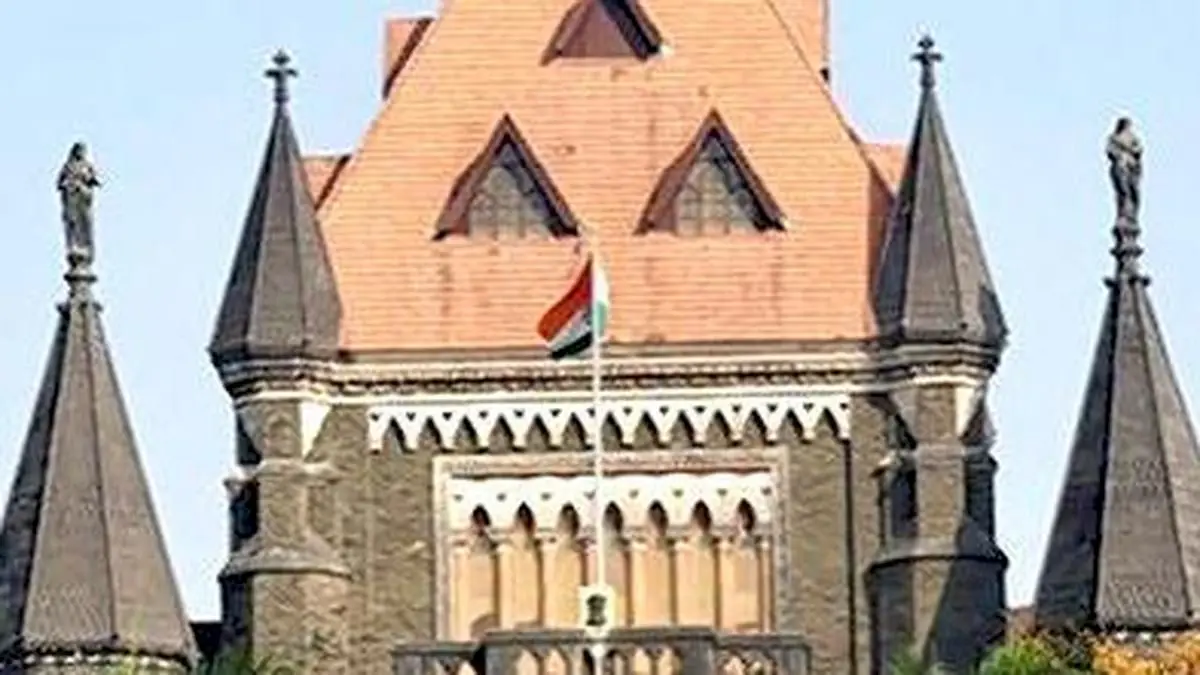
The Bombay High Court’s recent observation that a rape survivor was subjected to an “invasive, humiliating cross-examination” about her past sexual history in the Tarun Tejpal case reveals that such questioning persists…
The Story in Brief
The Bombay High Court’s recent observation that a rape survivor was subjected to an “invasive, humiliating cross-examination” about her past sexual history in the Tarun Tejpal case reveals that such questioning persists despite a statutory ban. Legal experts say defence lawyers now circumvent the bar by framing indirect questions that allude to a survivor’s character or previous sexual experience.
Section 53A of the Indian Evidence Act (now Section 50 of the Bharatiya Sakshya Adhiniyam) makes evidence of a victim’s sexual history irrelevant to consent. Yet stereotypes about “good women” continue to influence trials and sentencing, as studies by legal scholar Mrinal Satish have shown. Activists call for regular sensitisation of lawyers and judges to end these practices.
The Indian Opinion
The narrative that amending laws alone will fix rape trials is one-sided. Despite the 2003 repeal and the 2013 Criminal Law Amendment, defence lawyers still find ways to weaponise a survivor’s past. Meanwhile, trial courts too often expect survivors to fit a stereotype of chastity and immediate complaint. The real test is not whether the law is on the books, but whether judges consistently strike down indirect allusions, and how many such questions actually get objected to and disallowed in courtrooms next year.
Source: thehindu.com
This story was synthesised by AI from the source linked above.