Now Reading: Shankar Bhisey, India’s Edison, learned science from magazines
-
01
Shankar Bhisey, India’s Edison, learned science from magazines


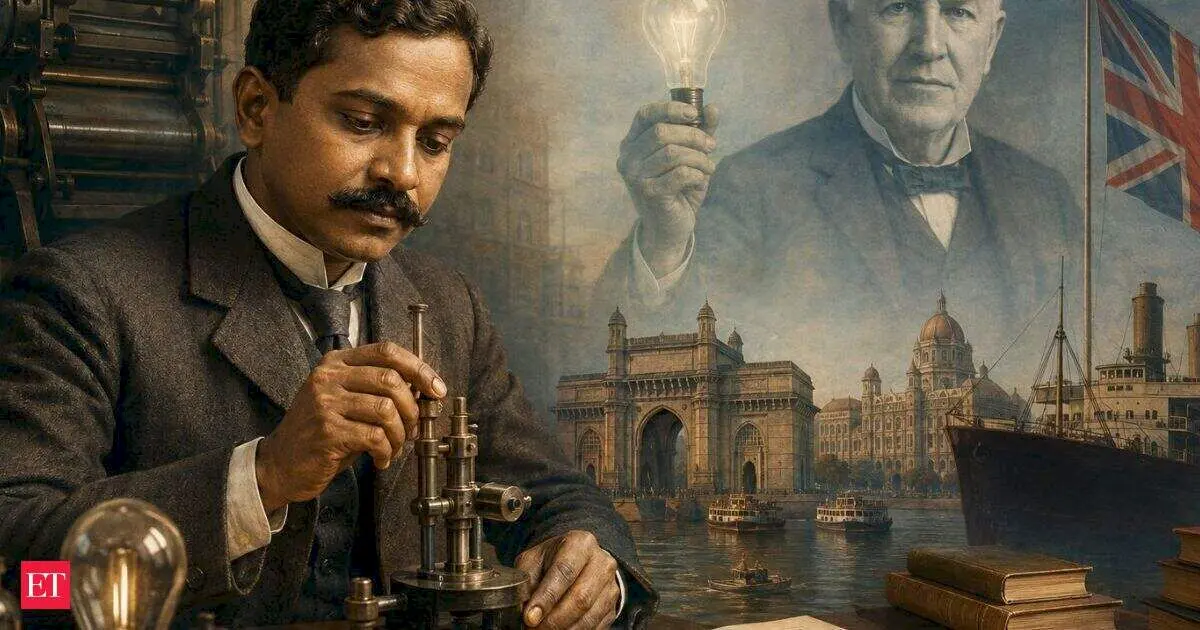
As India prepares for Independence Day, the story of Shankar Abaji Bhisey, often called the Edison of India, highlights a forgotten chapter of scientific history. Born in Bombay in 1867 with limited…
The Story in Brief
As India prepares for Independence Day, the story of Shankar Abaji Bhisey, often called the Edison of India, highlights a forgotten chapter of scientific history. Born in Bombay in 1867 with limited access to formal education, Bhisey taught himself science from magazines like Scientific American. He won a British inventors' journal competition in the 1890s and moved to London, where he connected with nationalists Dadabhai Naoroji and socialist Henry Hyndman.
Among his inventions, the Bhisotype, a typecasting machine for printing, drew the most interest. The Linotype Company reportedly offered to buy it, but Bhisey declined, hoping for larger investment that never arrived. The Economic Times reports his career intertwined invention with the anti-colonial cause, but commercial success eluded him.
The Indian Opinion
Every Independence Day, media unearths the Edison of India tag for Shankar Bhisey, while ignoring why his Bhisotype never made money. The romanticised narrative of the self-taught genius obscures a harder truth: Bhisey turned down the Linotype Company's offer to buy his machine, hoping for bigger backing that never came. Was his refusal a proud nationalist stand, or a miscalculation that cost India its first printing revolution? The real test is not how many patents he filed, but whether today's inventors learn from his failure to know when to sell.
Source: economictimes.indiatimes.com
This story was synthesised by AI from the source linked above.