
















Now Reading: RBI swap window drives surge in NRI deposits
-
01
RBI swap window drives surge in NRI deposits



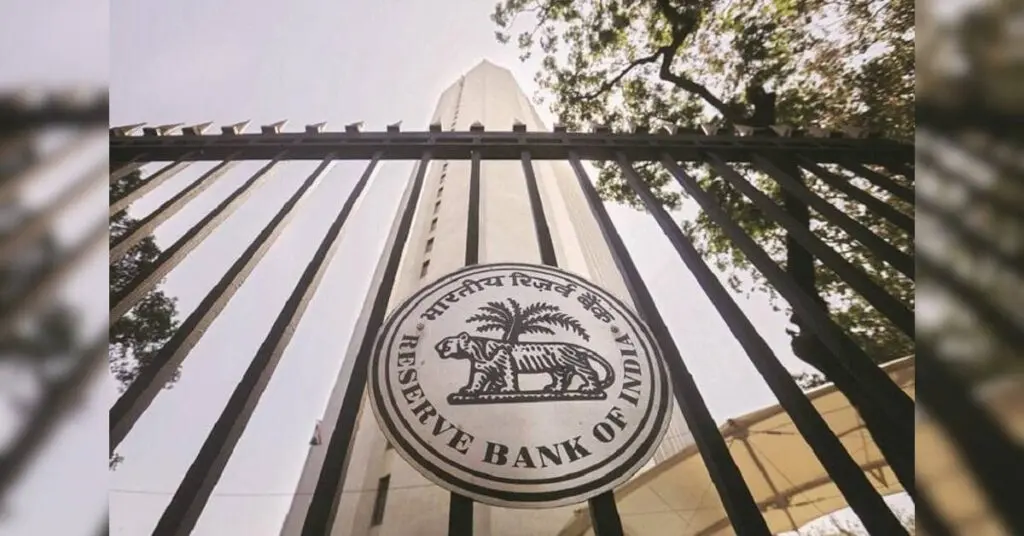
The Reserve Bank of India’s concessional dollar swap window, opened on June 5 to boost foreign reserves, has triggered a surge in Foreign Currency Non-Resident (Bank) deposits, with banks collectively mobilising over $52 billion by August 13. The window, originally open until September 30, was unexpectedly closed earlier to August 31, catching markets by surprise.

Small private banks such as Equitas, AU Small Finance Bank and IDFC First Bank now offer NRIs interest rates up to 7.5%, above the 5.25-6% offered by State Bank of India and HDFC. Meanwhile, foreign banks HSBC, Standard Chartered and DBS saw their FCNR deposits jump from $603 million in early June to $8.97 billion by July 30, powered by global dollar access and high leverage of up to 19 times. Axis Bank and Federal Bank have since raised rates to 6.4%, while HDFC Bank and ICICI Bank have placed countdown timers on their websites to drive urgency. Experts project total mobilisation could reach $60-70 billion by August-end.
Indian Opinion Analysis
All three sources agree the RBI’s FCNR(B) swap scheme has drawn over $52 billion, but their framings differ. Nikkei Asia leads with small banks finally winning NRI business, framing the scheme as an opportunity for underdogs. Livemint focuses on foreign banks’ superior dollar access, noting HSBC and StanChart led inflows, and quotes an expert calling the trend temporary. Rediff emphasises urgency: the RBI closed the window early on August 31, not September 30, and private banks are now raising rates and using countdown timers. A careful reader should note that while foreign banks gained share, public and private sector banks still hold the bulk of FCNR deposits at $25.7 billion and $25.6 billion respectively. The early closure suggests the RBI considers its goal met, but the final mobilisation figure (projected $60-70 billion) will indicate whether the rupee gets lasting support.
Coverage: 3 sources, 3 neutral
Sources (3): asia.nikkei.com (neutral report), livemint.com (neutral report), rediff.com (neutral report)
This story was synthesised by AI from the 3 sources linked above. Methodology and corrections.
Updated: this story now draws on 3 sources.