








Now Reading: Stories Keep Hiroshima’s Nuclear Warning And Fascism In Public Memory
-
01
Stories Keep Hiroshima’s Nuclear Warning And Fascism In Public Memory

Stories Keep Hiroshima’s Nuclear Warning And Fascism In Public Memory

The article marks 81 years since the atomic bombing of Hiroshima and recalls the subsequent bombing of Nagasaki. It argues that nuclear weapons and authoritarianism remain dangers, despite the passage of eight…
The Story in Brief
The article marks 81 years since the atomic bombing of Hiroshima and recalls the subsequent bombing of Nagasaki. It argues that nuclear weapons and authoritarianism remain dangers, despite the passage of eight decades. The writer says history and power show how quickly societies can approach dictatorship or catastrophe.
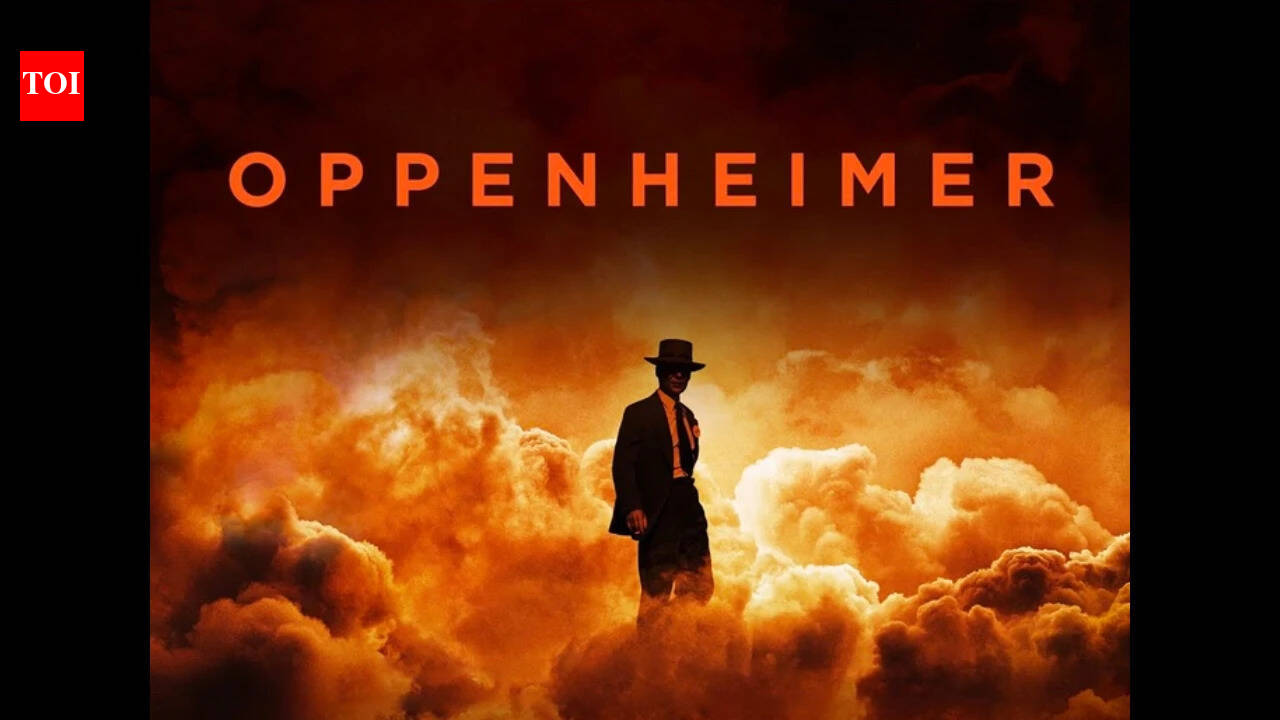
Books and films preserve these warnings through personal testimony, dystopian fiction and alternate history. Works such as John Hersey’s Hiroshima, Masuji Ibuse’s Black Rain, Barefoot Gen, Grave of the Fireflies, Ray Bradbury’s There Will Come Soft Rains and Oppenheimer are cited as examples. The article says such stories keep victims visible and connect scientific progress with moral responsibility.
The Indian Opinion
Remembering Hiroshima through literature and cinema can help readers understand suffering beyond casualty figures. The article’s warning about fascism and nuclear conflict is serious, although broad claims that history always repeats itself can simplify complex events. Current geopolitical tensions make these concerns relevant, but the source offers cultural arguments rather than detailed evidence about present nuclear risks.
Source: timesofindia.indiatimes.com
This story was synthesised by AI from the source linked above.