













Now Reading: Supreme Court: sale deed valid even if full payment is not made
-
01
Supreme Court: sale deed valid even if full payment is not made



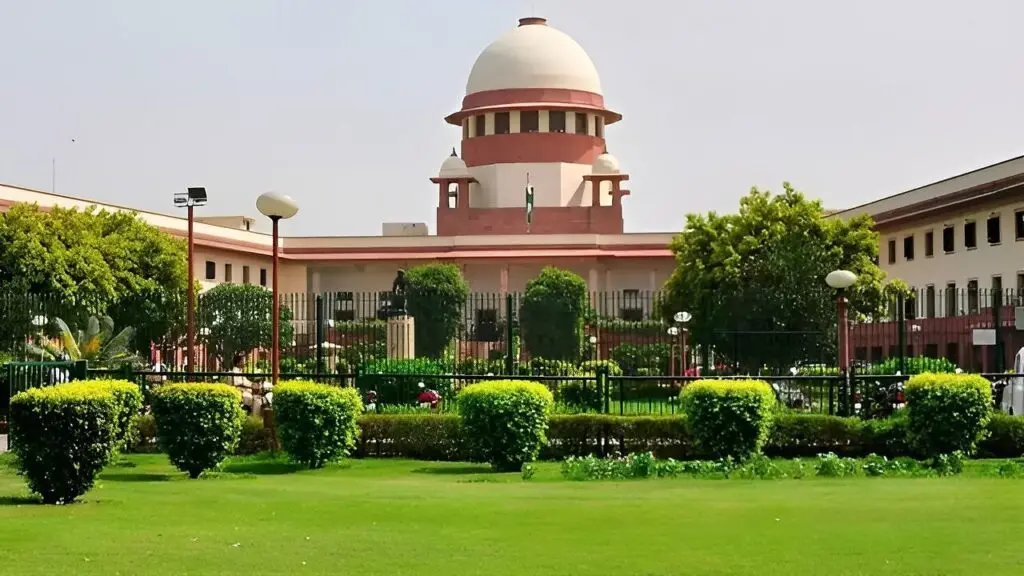
The Supreme Court has ruled that a registered sale deed remains valid even if the buyer does not pay the full price at the time of execution. A bench of Justices J…
The Story in Brief
The Supreme Court has ruled that a registered sale deed remains valid even if the buyer does not pay the full price at the time of execution. A bench of Justices J B Pardiwala and K Vinod Chandran said the transfer of ownership is complete once the deed is signed and registered, provided both parties intended to transfer the property.

The court set aside a Bombay High Court order that had cancelled two 1975 sale deeds over unpaid balance of Rs 4,500 each. The seller’s remedy, it held, is to sue for the unpaid amount, not to seek cancellation. In a separate case, the Allahabad High Court has held that a buyer who waited 20 years to deposit the balance cannot enforce the sale deed.
The Indian Opinion
Two High Courts have now delivered contrasting messages on sale deed enforcement, but the Supreme Court has settled the law: non-payment does not undo a registered transfer. The lazy narrative that courts favour defaulting buyers misses the point. The remedy is recovery, not avoidance. The real test is whether the buyer can still claim ownership after decades of silence. That question remains open.
Sources (2): deccanherald.com, livelaw.in
This story was synthesised by AI from the 2 sources linked above.
Updated: this story now draws on 2 sources.