











Now Reading: Supreme Court targets viral clips after litigant disrupts hearing
-
01
Supreme Court targets viral clips after litigant disrupts hearing

Supreme Court targets viral clips after litigant disrupts hearing

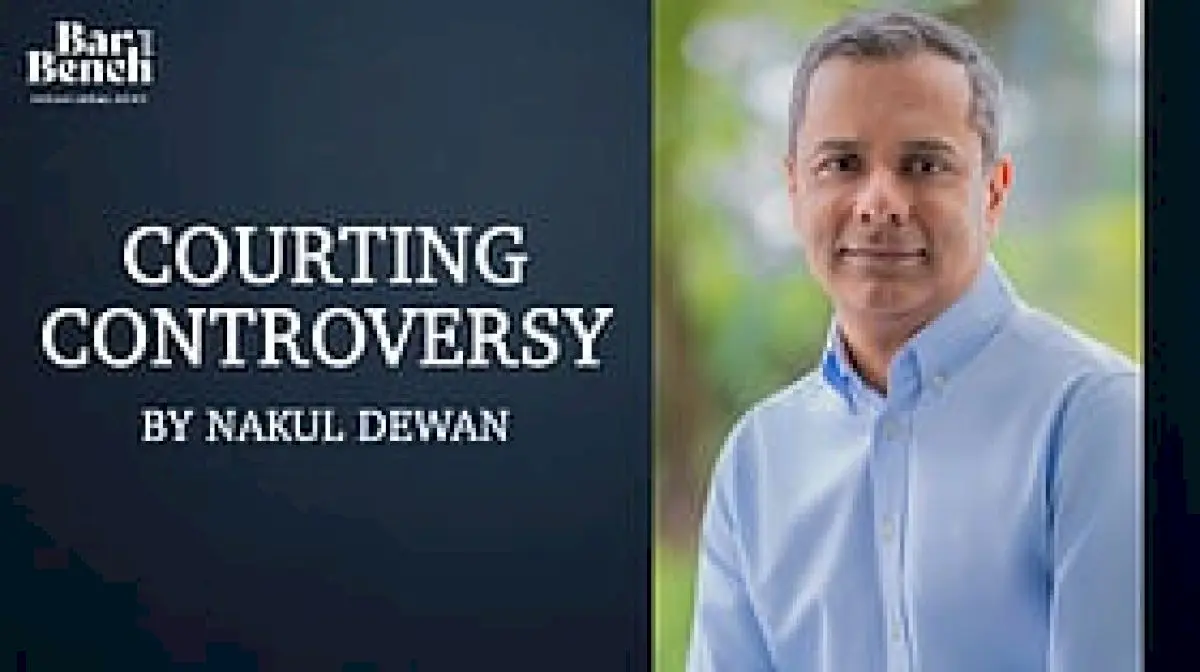
The Supreme Court on 8 August 2026 passed an interim order barring the posting, reposting, extraction, modification, dissemination, or monetisation of live-streamed court proceedings on digital platforms without prior permission from the…
The Story in Brief
The Supreme Court on 8 August 2026 passed an interim order barring the posting, reposting, extraction, modification, dissemination, or monetisation of live-streamed court proceedings on digital platforms without prior permission from the Registrar or Secretary General of the Court or the Registrar General of the concerned High Court. The order follows a recent incident where a litigant used abusive language and threw papers in the courtroom, with clipped videos circulating widely on social media.
The Court noted that while contempt powers can punish the original disruptor, they cannot effectively stop the viral spread of de-contextualised clips. It reiterated its 2011 observation in S Khushboo v. Kanniammal that media should not broadcast proceedings for unnecessary publicity. The order does not ban live-streaming or fair reporting but targets selective extraction and monetisation that undermine public confidence in the judiciary.
The Indian Opinion
The lazy narrative here is that the Supreme Court is throttling free speech or transparency by restricting live-stream clips. The real story is simpler: a single litigant’s outburst, stripped of context, went viral and risked turning a courtroom into a circus. The Court’s 2011 caution about selective broadcasting has proven prophetic. The question is not whether lawyers or journalists should report, they still can, but whether social media algorithms can be trusted to not amplify disruption over substance. Watch how platforms respond to the new interim order: that will settle whether this is censorship or common sense.
Source: barandbench.com
This story was synthesised by AI from the source linked above.