












Now Reading: Tech platforms emerge to coordinate Assam flood relief efforts
-
01
Tech platforms emerge to coordinate Assam flood relief efforts


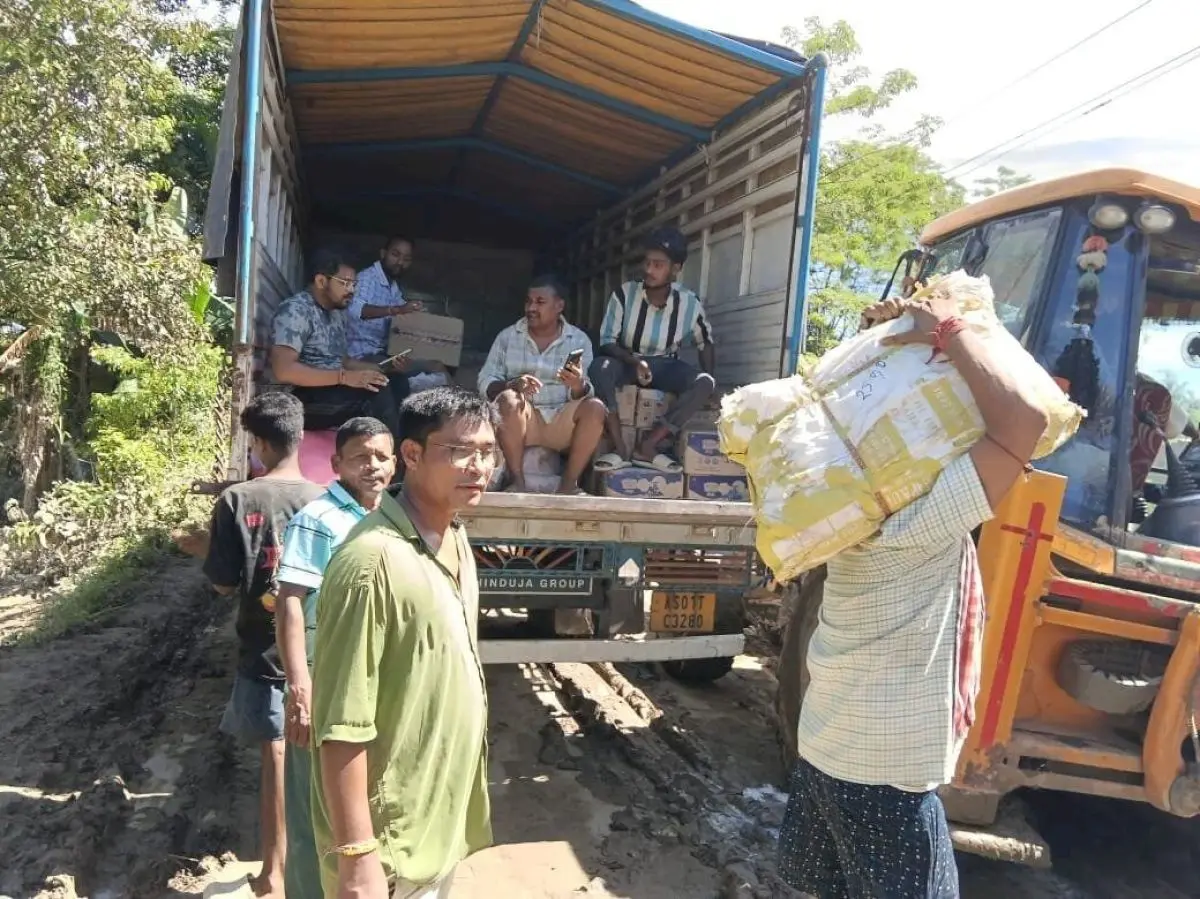
After floods submerged parts of Upper Assam on July 19, individual donors and volunteer groups rushed to help but lacked coordination, often sending relief to the same areas while others went underserved.…
The Story in Brief
After floods submerged parts of Upper Assam on July 19, individual donors and volunteer groups rushed to help but lacked coordination, often sending relief to the same areas while others went underserved. In response, several technology-driven platforms have emerged to bridge this gap.
Banpani.org, built by Partha Borthakur and his team in two days, maps affected areas and relief needs without a central moderator. A mobile app called Helpmonk, from Firingoti, connects victims with volunteers and agencies. Jal Raksha offers an AI-powered WhatsApp service for flood assistance, requiring no download. Gauhati University student Tinku Moni Kaushik, who created the Axom Relief platform, cautioned against using such initiatives for commercial promotion. The NDRF said it does not currently use a department-specific application for coordination.
The Indian Opinion
The story of Assam's flood relief is no longer just about devastation but about a new problem: too many helpers piling into the same spots while others are left out. The lazy narrative that technology alone can fix this is misleading. These open-source maps and WhatsApp bots are a welcome patch, but they are not a system. The real test is whether the Assam State Disaster Management Authority integrates such real-time crowd data into its official response, or lets well-meaning apps become another layer of noise. Who coordinates the coordinators?
Source: assamtribune.com
This story was synthesised by AI from the source linked above.