












Now Reading: Treated sewage to data centre ignites protest in water-scarce city
-
01
Treated sewage to data centre ignites protest in water-scarce city


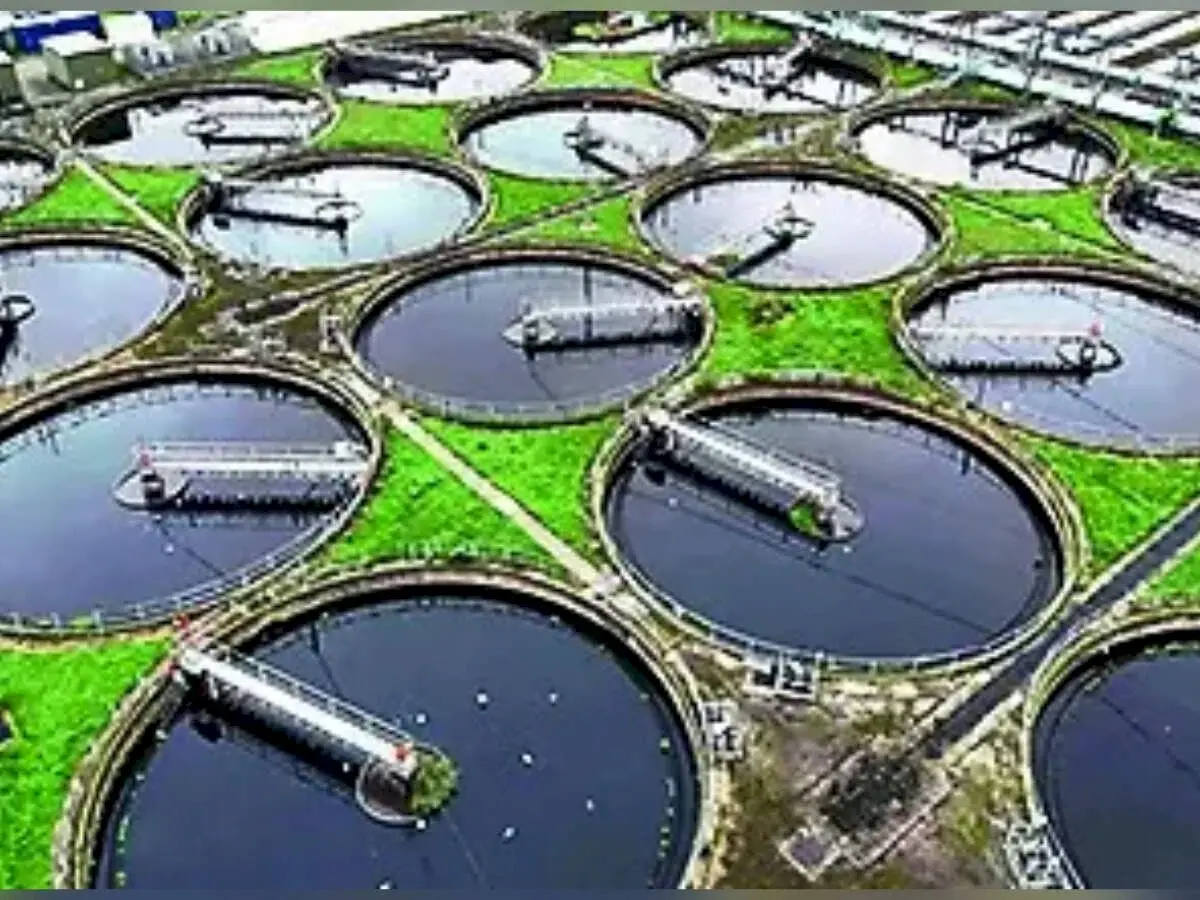
A municipal corporation in a metro city priced treated sewage at ₹7.50 per kilolitre for a proposed hyperscale data centre, sparking a rally and a demand for a stay. The city faces…
The Story in Brief
A municipal corporation in a metro city priced treated sewage at ₹7.50 per kilolitre for a proposed hyperscale data centre, sparking a rally and a demand for a stay. The city faces a daily potable water shortfall of 30 million litres, but the 12 MLD allocated to the data centre is treated sewage, not drinking water, the Economic Times reports. The Central Pollution Control Board says urban India generates 72,368 MLD of sewage but treats barely 20,000 MLD; the rest flows into rivers.
Meanwhile, in Ghaziabad's Khora area, residents told DW they dig 1,000, 1,200 feet for groundwater. The Central Ground Water Board estimates withdrawals in Ghaziabad at 272% of the recommended share. Over 300 data centres nationwide consumed an estimated 150 million tons of water in 2025, and more than half sit in water-stressed regions. Uttar Pradesh's 2026 Data Centre Policy draft promises 'uninterrupted 24×7' water supply for data centres.
The Indian Opinion
The easy narrative that data centres are stealing drinking water misses the point: the disputed water is treated sewage, not potable supply. Yet the Khora residents digging 1,000 feet are not wrong to be angry, groundwater depletion is real, and the 2026 policy's promise of uninterrupted supply offers no transparency. The real test is whether regulators enforce mandatory water-use disclosure and efficiency standards, as experts and the ET columnist demand. Will the next data centre approval publish its WUE and source contract? That number will settle the trust deficit.
Sources (2): economictimes.indiatimes.com, news.google.com
This story was synthesised by AI from the 2 sources linked above.
Updated: this story now draws on 2 sources.