















Now Reading: US tariff threat on Russian oil may push India to costlier crude
-
01
US tariff threat on Russian oil may push India to costlier crude

US tariff threat on Russian oil may push India to costlier crude

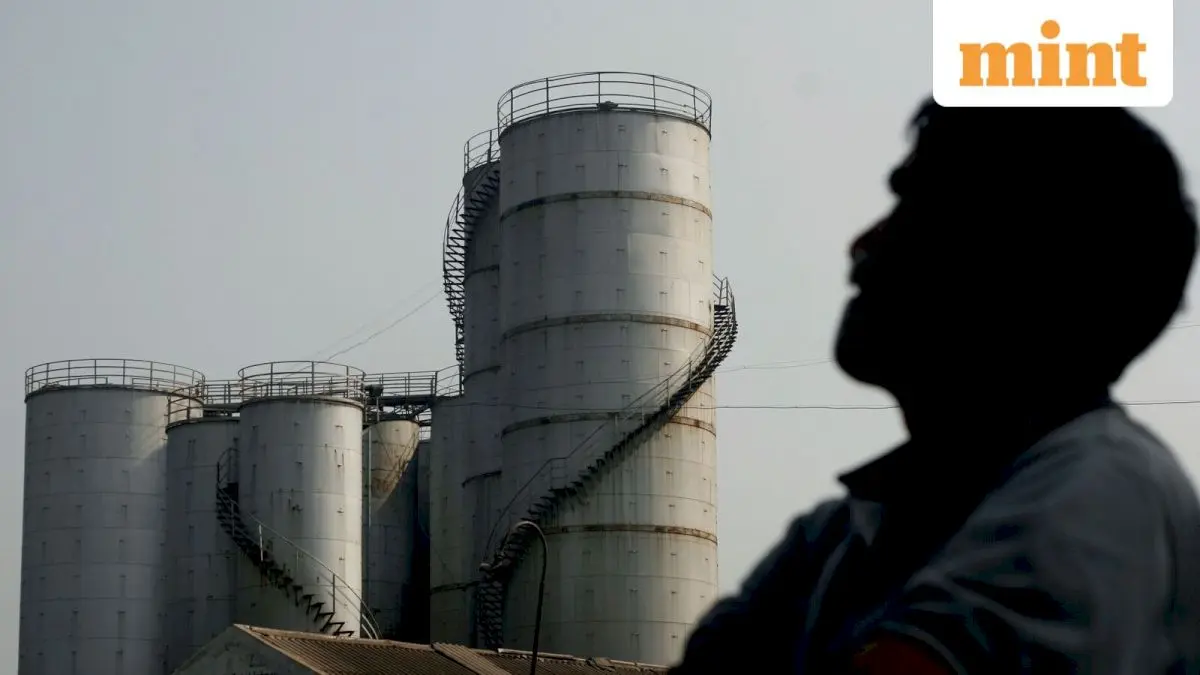
India’s state-run oil refiners expect costlier crude from September as a US bill to slap up to 100% tariffs on top importers of Russian oil moves closer to law. The Senate passed…
The Story in Brief
India’s state-run oil refiners expect costlier crude from September as a US bill to slap up to 100% tariffs on top importers of Russian oil moves closer to law. The Senate passed the Lindsey O Graham Act, now headed to the House. State-run refiners have supplies for 50 days but will float tenders in mid-August for post-September cargoes, an executive told Livemint. Russia supplied 48% of India’s crude imports in June 2026, an all-time high, The Hindu reports. Tighter West Asian supplies and longer Suez routes may push prices higher. India’s crude import bill hit $49.8 billion in the June quarter, up 60% year-on-year.

The Indian Opinion
The dominant narrative paints the US Senate bill as a sudden crisis for India, but the refiners have a 50-day supply cushion and a decade of logistical flexibility. The more honest worry is cost, not availability. India’s import bill already rose 60% in the June quarter despite lower volume, and every dollar per barrel adds Rs 18,000 crore annually. The real test is whether the House bill passes as is and if waivers emerge. Until then, claims of an imminent energy shock are exaggerated.
Sources (2): livemint.com, thehindu.com
This story was synthesised by AI from the 2 sources linked above.
Updated: this story now draws on 2 sources.