














Now Reading: US firms rush to build cheaper missiles as Iran war drains stocks
-
01
US firms rush to build cheaper missiles as Iran war drains stocks

US firms rush to build cheaper missiles as Iran war drains stocks

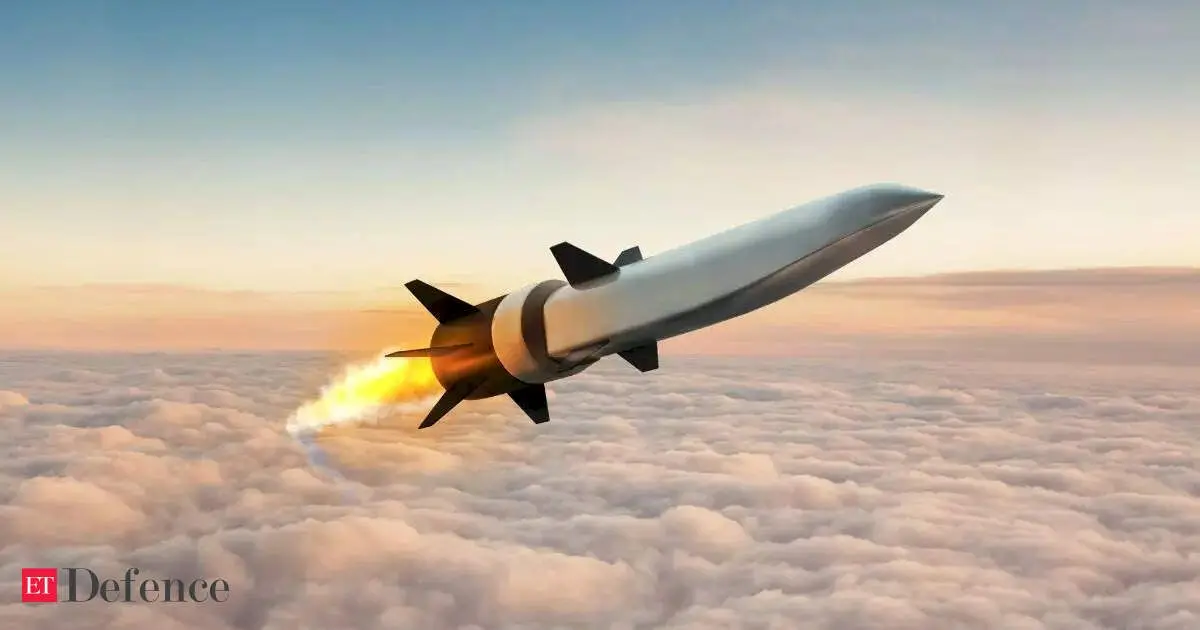
The US Department of War has signed framework agreements with Boeing and RTX to accelerate production of SM-3 Block IB and Block IIA interceptor components for the Aegis Ballistic Missile Defense System.…
The Story in Brief
The US Department of War has signed framework agreements with Boeing and RTX to accelerate production of SM-3 Block IB and Block IIA interceptor components for the Aegis Ballistic Missile Defense System. Under Secretary Michael P. Duffey said the deals aim to stabilise supply chains and put the defence industrial base on a 'wartime footing'. Separately, the Iran conflict has exposed thin stockpiles of expensive missiles, pushing contractors to develop cheaper alternatives.
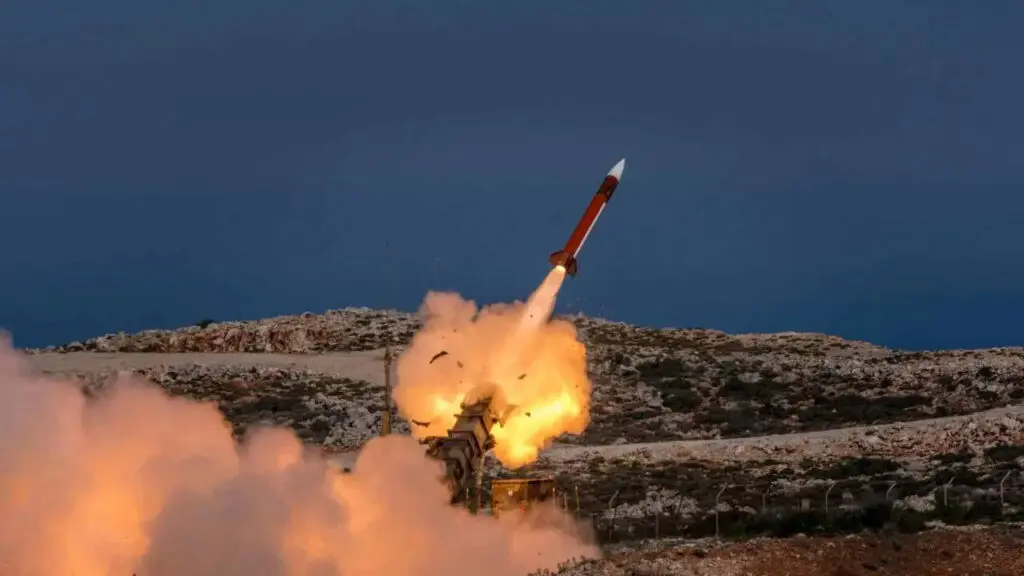
At the Space and Missile Defense Symposium, Boeing revealed an ultra-low-cost seeker using commercial parts that cuts seeker cost from 30% to 10% of total missile price. Lockheed Martin unveiled ACE, a simplified Patriot variant costing about $2 million, half the price of the top-end PAC-3. Smaller firms like Castelion and Anduril have also won Pentagon contracts for cheaper interceptors, though most designs are years from deployment.
The Indian Opinion
The 'exquisite versus cheap' missile debate is real, but framing it as a simple trade-off misses the point: Iran and Russia are deliberately flooding battlefields with low-cost drones to empty Western arsenals. The better measure is not unit cost but shots-per-threat ratio. Boeing's ultra-low-cost seeker and Lockheed's simplified Patriot variant look promising, yet both remain years from serial production. Watch whether Congress clears the emergency replenishment funds, that vote will reveal if the political will matches the Pentagon's wartime rhetoric.
Sources (2): economictimes.indiatimes.com, timesnownews.com
This story was synthesised by AI from the 2 sources linked above.
Updated: this story now draws on 2 sources.