














Now Reading: Hurricanes rapidly altered grip-related traits in island anoles
-
01
Hurricanes rapidly altered grip-related traits in island anoles


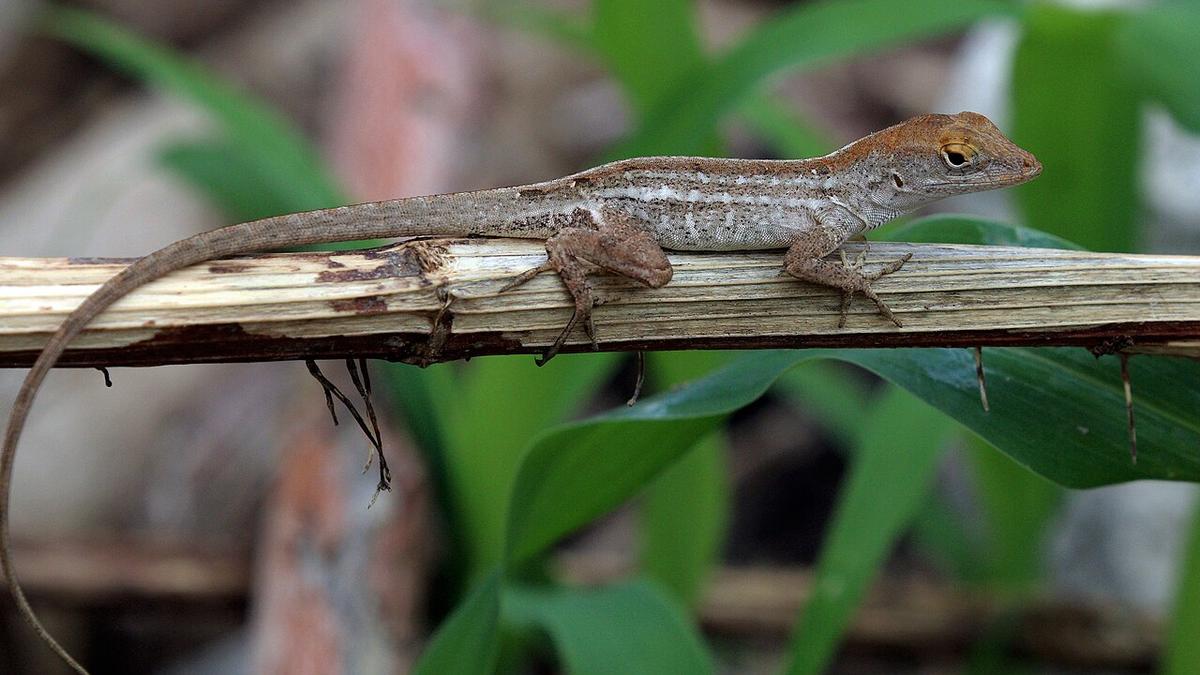
Researchers recorded Turks and Caicos anoles on Pine Cay and Water Cay before Hurricane Irma hit in September 2017. Hurricane Maria followed two weeks later, damaging vegetation and killing many lizards. Six…
The Story in Brief
Researchers recorded Turks and Caicos anoles on Pine Cay and Water Cay before Hurricane Irma hit in September 2017. Hurricane Maria followed two weeks later, damaging vegetation and killing many lizards. Six weeks after the storms, surviving Anolis scriptus had longer forelimbs, shorter hind legs and hind toes, and larger toepads.
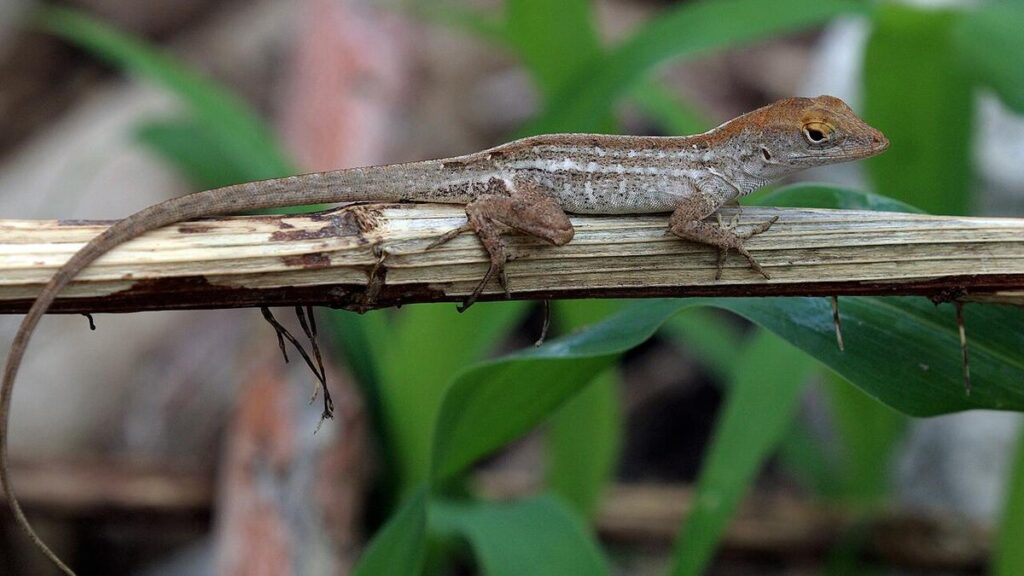
Wind-tunnel tests found the front limbs supplied most of the grip. A Current Biology study also found higher frequencies of five genes linked to muscle and skeletal development. Gene-editing work in brown anoles connected hs6st1 with fourth-toe development. Researchers said extreme weather can quickly affect wild populations, but its lasting and wider effects remain uncertain.
The Indian Opinion
The study supports a narrower claim than headlines about “evolution on steroids” suggest. These anoles showed traits linked to gripping after two hurricanes, but the observations came from two islands and a short period. That does not prove all lizards, or even these populations over generations, will change similarly. The useful test is whether later surveys find the traits persisting and improving survival without repeated storm selection.
Source: thehindu.com
This story was synthesised by AI from the source linked above.
Updated: this story now draws on 1 sources.