

















Now Reading: Iran war added $22 bn to India’s fossil-fuel import costs
-
01
Iran war added $22 bn to India’s fossil-fuel import costs


Six months since the US and Israel launched strikes on Iran, the conflict has cost India an estimated $22 billion in additional fossil-fuel import costs, according to an analysis by the Centre…
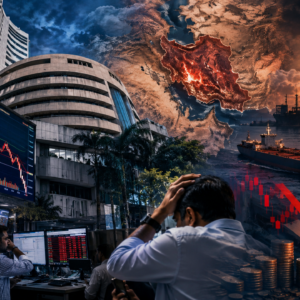
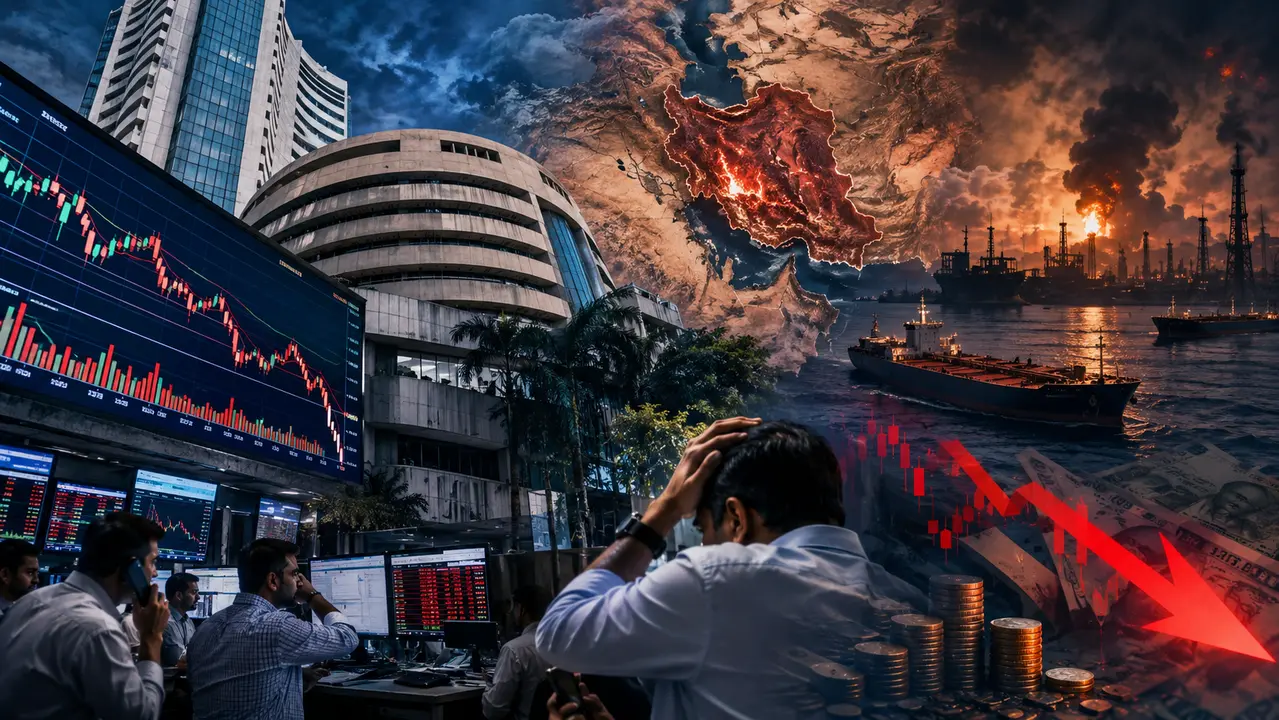
Six months since the US and Israel launched strikes on Iran, the conflict has cost India an estimated $22 billion in additional fossil-fuel import costs, according to an analysis by the Centre for Research on Energy and Clean Air. The war, which began on February 28, drove crude oil prices from $70 to over $120 a barrel, choking transportation through the Strait of Hormuz.
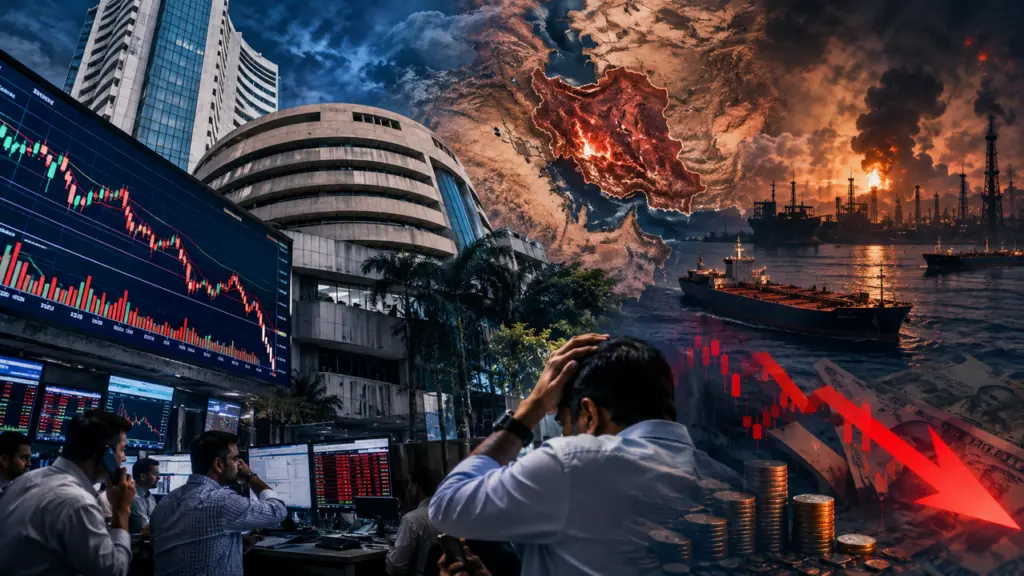
India is the second-most affected importing country after China. Net additional crude oil costs alone stood at $20.5 billion, while the total extra cost across all fossil fuels was equivalent to 0.38 per cent of India's GDP. On the National Stock Exchange, public sector bank, oil and gas, and FMCG indexes have fallen up to 13 per cent.
The war has killed at least 4,350 people in Lebanon, 3,527 in Iran, 60 Israelis, and 18 US service members, with 757 US personnel wounded. Iran's Supreme Leader Ali Khamenei was killed in the initial strikes.
Indian Opinion Analysis
The $22 billion figure reflects India's vulnerability as the world's third-largest oil importer, reliant on the Strait of Hormuz for about 60 per cent of its crude. Under the Petroleum Planning and Analysis Cell's framework, the government can tap strategic petroleum reserves, but these cover only about nine days of consumption. The real economic test will be whether the RBI revises its inflation and GDP forecasts in its next monetary policy statement, as sustained crude above $100 a barrel historically widens India's current account deficit and weakens the rupee. The next official trade data release will show if the import cost shock has already begun eroding India's foreign exchange reserves.
Source: timesnownews.com
This brief was synthesised by AI from the source linked above.