Now Reading: NEET Protest Exposed Youth Anger Over Exams, Jobs and Online Abuse
-
01
NEET Protest Exposed Youth Anger Over Exams, Jobs and Online Abuse


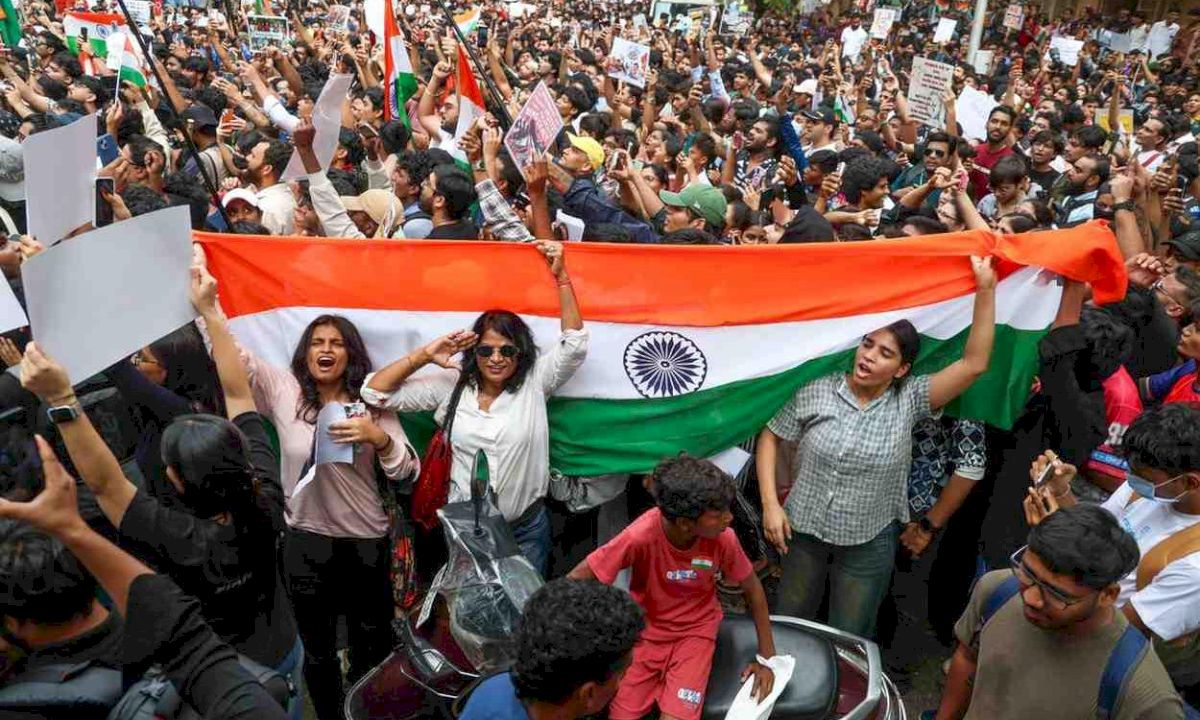
India’s Gen Z-led NEET protest ended on 25 July after Education Minister Dharmendra Pradhan resigned, following weeks of demonstrations over alleged paper leaks and demands for education reform. Livemint reports that the…
The Story in Brief
India’s Gen Z-led NEET protest ended on 25 July after Education Minister Dharmendra Pradhan resigned, following weeks of demonstrations over alleged paper leaks and demands for education reform. Livemint reports that the movement also reflected stagnant job prospects, weak public education and rising economic anxiety among young Indians. It cites youth unemployment at 16% and says India’s per-capita growth during its demographic dividend has lagged China, Vietnam and South Korea.
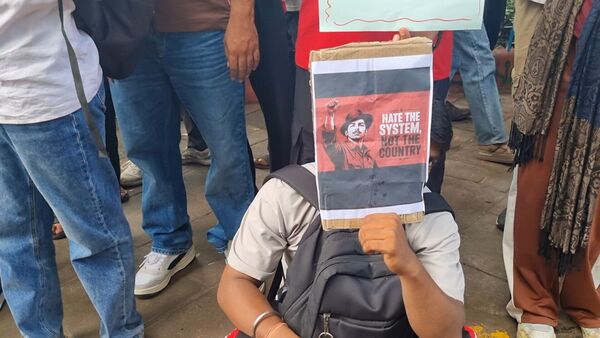
The Federal reports that women protesters, including a 15-year-old and a 23-year-old, faced doxxing, rape and death threats after videos allegedly showed them abusing the Prime Minister or mocking security personnel. Both later apologised. A lawyer cited by the publication said abusive language is not automatically obscenity under Section 296 of the Bharatiya Nyaya Sanhita.
The Indian Opinion
The lazy narrative that the protests were simply anti-government theatrics ignores the concrete concerns over exam integrity, jobs and education. The opposite claim, that abusive videos make the entire movement illegitimate, is equally shallow. Threats, doxxing and pressure on families are not democratic accountability. The useful test is whether future NEET exams are secure, investigations are credible and young applicants face better employment prospects than the reported 16% unemployment rate.
Sources (2): thefederal.com, livemint.com
This story was synthesised by AI from the 2 sources linked above.
Updated: this story now draws on 2 sources.