














Now Reading: Yen falls below 160 per dollar, weakest level in four decades
-
01
Yen falls below 160 per dollar, weakest level in four decades


The Japanese yen fell below 160 per dollar, its weakest level since 1986, as Japanese and US authorities intervened to support the currency, Livemint reported. The report attributed the decline to a…
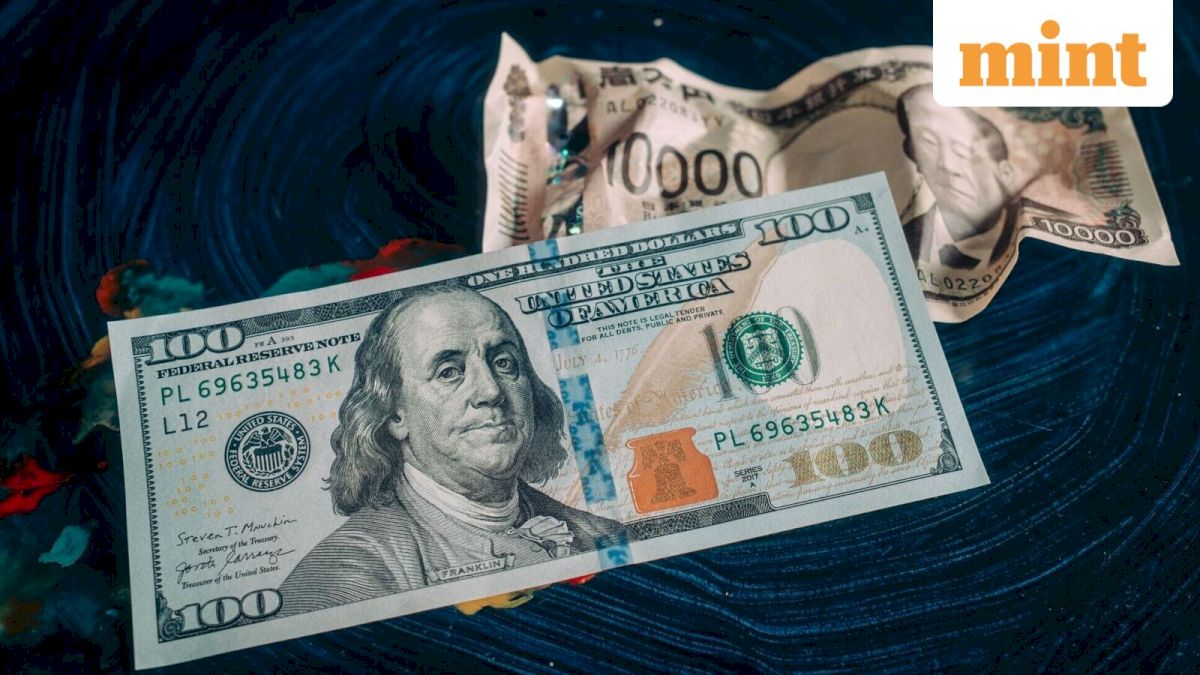
The Japanese yen fell below 160 per dollar, its weakest level since 1986, as Japanese and US authorities intervened to support the currency, Livemint reported. The report attributed the decline to a wide interest-rate gap between Japan and the United States, a higher energy import bill and years of monetary easing that have left Tokyo with limited room to raise rates aggressively. The Bank of Japan raised its policy rate to 1% in June, its highest since the 1990s, yet Japan's 10-year government bond yield of 2.6% remained well below the US 10-year yield of 4.4%, keeping the interest-rate gap wide. Japan imports about 90% of its crude oil from West Asia and recorded trade deficits of ¥391.8 billion in May and ¥406.9 billion in June, as regional tensions raised its energy import bill. The average dollar-yen rate has weakened from around 104 in January 2021 to around 163 in July 2026, and the yen also touched a record low against the British pound in July.
Indian Opinion Analysis
Livemint's own analysis piece lays out several contributing pressures, the rate gap, energy costs, carry trades and Japan's balance-sheet constraints, without attributing the account to any other outlet, so there is no competing framing to weigh here. The report is explicit that the Bank of Japan's large asset holdings, 102.2% of GDP by December 2025, and Japan's public debt of 214.5% of GDP limit how aggressively it can raise rates to defend the currency, a structural constraint rather than a policy failure. Whether the planned $2.3 trillion investment push by Prime Minister Sanae Takaichi's government eases these pressures depends on execution through fiscal 2040. Watch Japan's trade balance and any further Bank of Japan rate moves.
Source: www.livemint.com
This brief was synthesised by AI from the source linked above.