











Now Reading: SC seven-judge bench to hear MLA privileges vs free speech
-
01
SC seven-judge bench to hear MLA privileges vs free speech


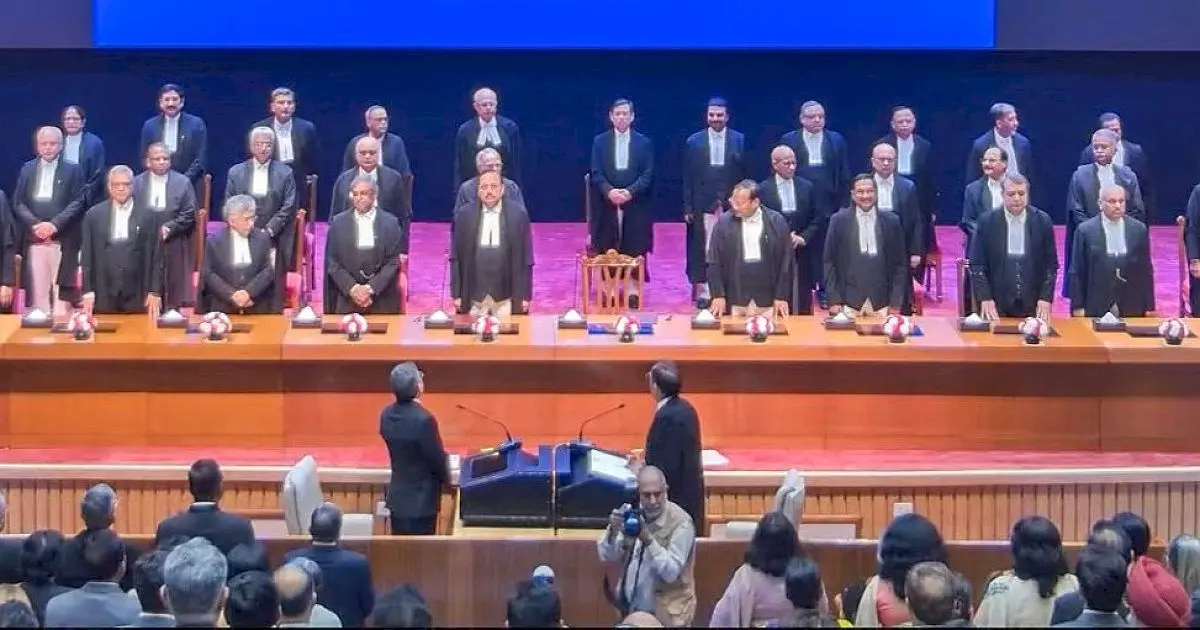
The Supreme Court will begin hearing from October 6 on a seven-judge bench whether legislative privileges of MLAs can override the fundamental right to freedom of speech. The case dates back to…
The Story in Brief
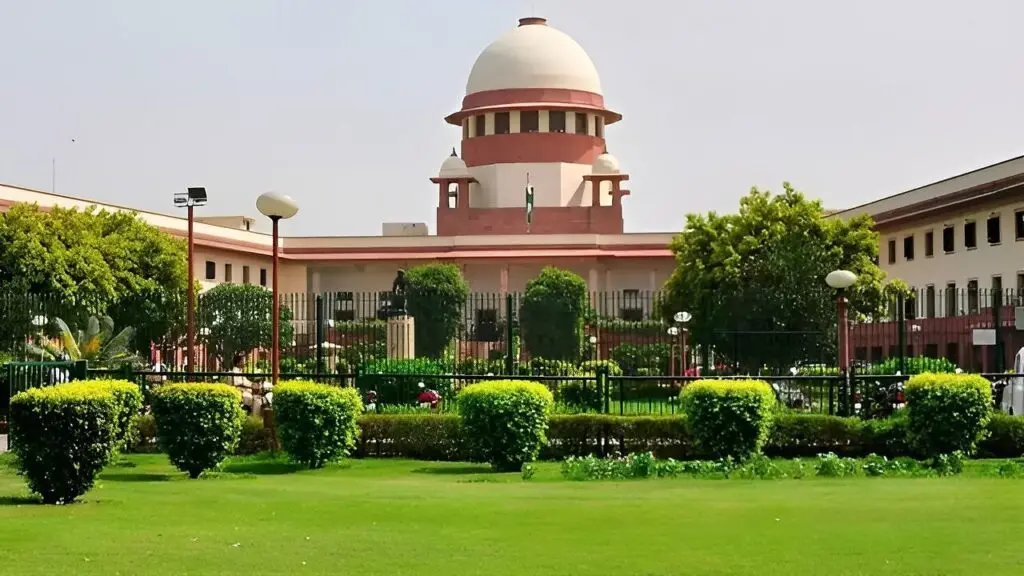
The Supreme Court will begin hearing from October 6 on a seven-judge bench whether legislative privileges of MLAs can override the fundamental right to freedom of speech. The case dates back to 2003, when the Tamil Nadu assembly ordered the arrest of journalist N Ravi and others of The Hindu for an editorial critical of then chief minister Jayalalithaa. The assembly invoked Article 194, which gives legislators immunity for proceedings in the house.
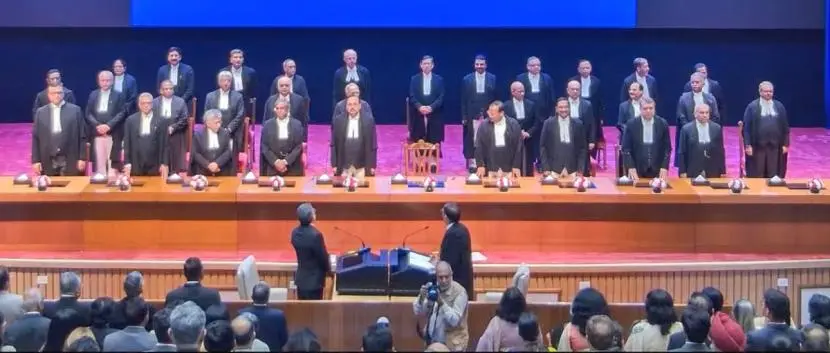
A five-judge bench had referred the matter to a larger bench in 2004 after noting conflicting verdicts: one from 1959 held fundamental rights prevail, while a 1964 presidential reference said privileges could override them. The current bench, led by Chief Justice Surya Kant, will also hear a separate case from September 22 on whether state legislatures can levy additional sales tax.
The Indian Opinion
This case cuts through the noise about who is ‘anti-democracy’. Both sides, those who see privileges as absolute and those who demand free speech without exception, have relied on contradictory Supreme Court verdicts. The real test is whether the bench will end the confusion by ruling that privileges cannot be used as a sword to punish legitimate criticism. Will the court say Article 194 is a shield for legislators inside the House, not a gag on the press outside it?
Sources (2): rediff.com, thehindu.com
This story was synthesised by AI from the 2 sources linked above.
Updated: this story now draws on 2 sources.