












Now Reading: Afghanistan gold rush leaves villages ruined, water poisoned
-
01
Afghanistan gold rush leaves villages ruined, water poisoned


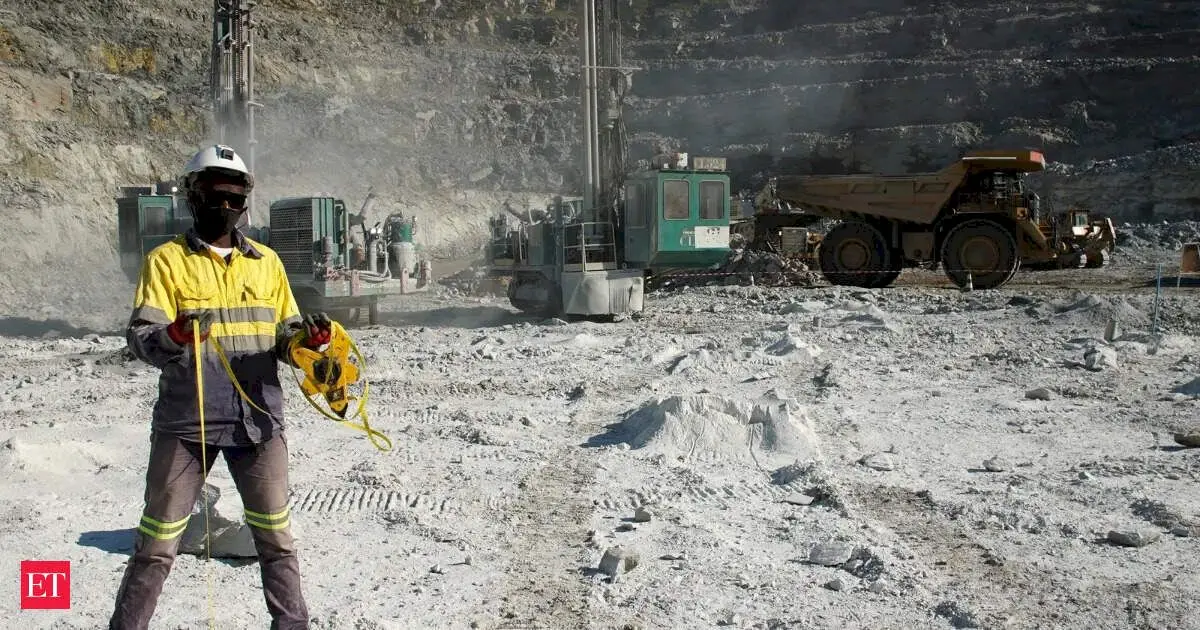
Afghanistan's gold mining boom, driven by the Taliban since returning to power in 2021, is devastating communities in northeastern Badakhshan province. In Pul-e-Ziri Ban valley, farmer Muhammad Amin, 74, says the river…
The Story in Brief
Afghanistan's gold mining boom, driven by the Taliban since returning to power in 2021, is devastating communities in northeastern Badakhshan province. In Pul-e-Ziri Ban valley, farmer Muhammad Amin, 74, says the river water is no longer drinkable and grass along the bank is gone. He can now feed only 15 goats, down from 40, after leasing his land to a firm that paid half of the promised $20,000 and failed to restore his fields. The provincial mines department has registered 650 to 700 companies and last year collected 112 kg of gold, but also ordered closure of 225 sites, including in Shiwa area, where a bridge, shops and a school were buried under floodwater and debris. The World Bank reports mining contracts have surged, with real growth of 25 to 30 percent annually.
The Indian Opinion
The Taliban's push to monetise Afghan minerals is sold as economic revival, but the ground reality in Badakhshan tells a different story. Miners earn modest wages while villagers lose farmland and clean water. The narrative that mining benefits all Afghans ignores that profits flow to powerful investors and officials, not the locals. Even the provincial mines department admits 225 sites caused such damage they had to be closed. A fair test will be whether the Taliban enforces its own closure orders and ensures promised compensation reaches farmers like Muhammad Amin.
Source: economictimes.indiatimes.com
This story was synthesised by AI from the source linked above.