











Now Reading: African Great Lakes Hold More Than a Quarter of Surface Freshwater
-
01
African Great Lakes Hold More Than a Quarter of Surface Freshwater

African Great Lakes Hold More Than a Quarter of Surface Freshwater

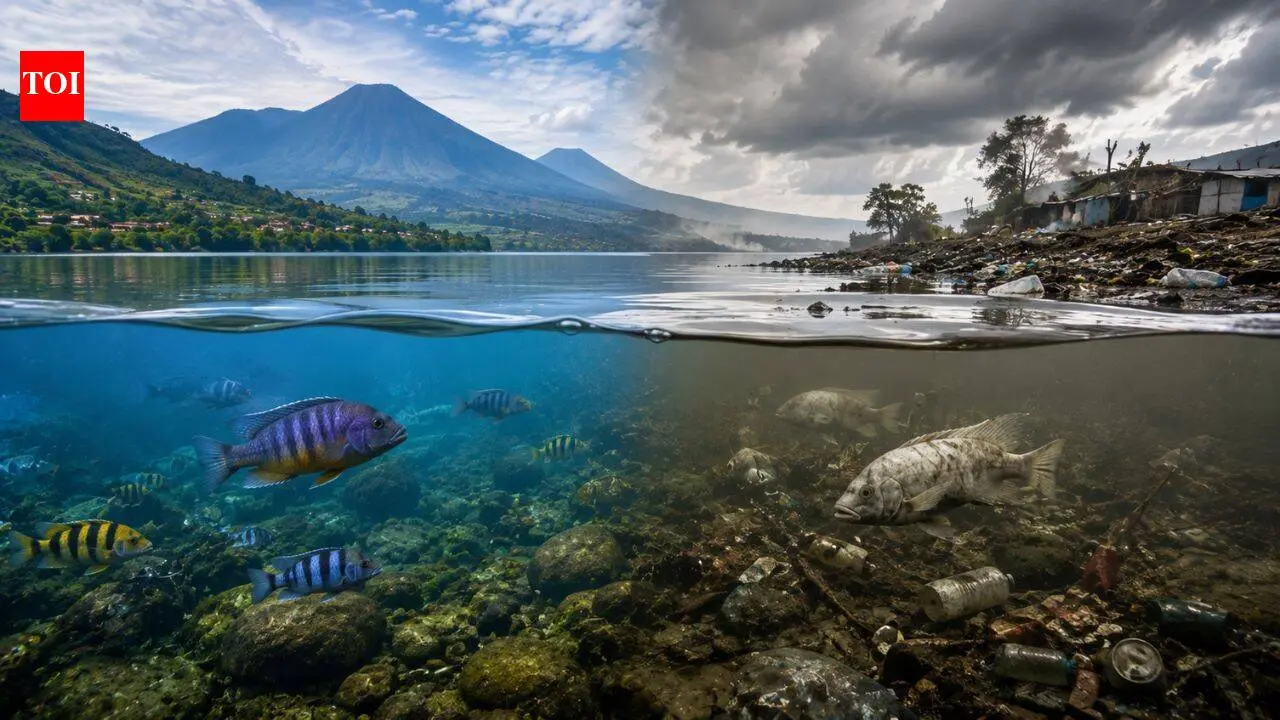
Africa’s Great Lakes contain more than 25% of the world’s surface freshwater and support over 50 million people across ten countries, according to The Times of India. The lakes provide food and…
The Story in Brief
Africa’s Great Lakes contain more than 25% of the world’s surface freshwater and support over 50 million people across ten countries, according to The Times of India. The lakes provide food and jobs, feed rivers including the Nile, Congo and Zambezi, and contain more than 10% of global freshwater fish species. Lake Victoria is the world’s second-largest freshwater lake by surface area, while Lake Tanganyika ranks second for depth and volume.
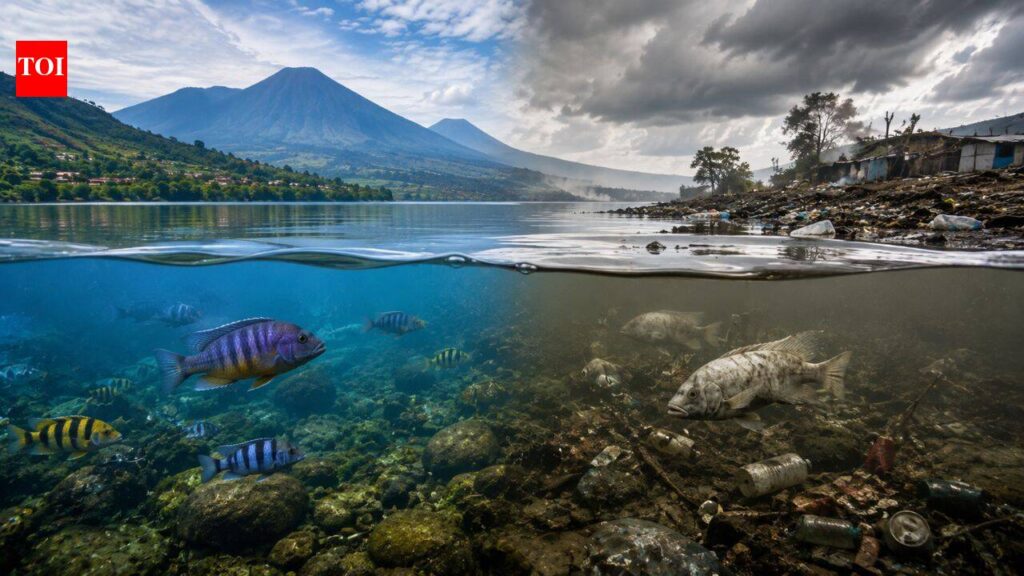
A Nature assessment, based on over 20 years of research by more than 1,000 experts, found the highest concentration of threatened freshwater species around Lake Victoria. Nearly a third of freshwater crabs, crayfish and shrimp face threats. Pollution, overfishing, deforestation, land conversion, water extraction, dams and climate change are placing pressure on the lakes.
The Indian Opinion
The easy narrative is that every lake faces the same crisis, or that broad comparisons with coral reefs explain everything. They do not. Conditions differ across seven lakes, ten countries and many communities, while monitoring is uneven. The assessment gives policymakers a clear list of pressures, but conservation must use lake-specific evidence and local cooperation. Future surveys should show whether threatened species numbers are falling, especially around Lake Victoria.
Source: timesofindia.indiatimes.com
This story was synthesised by AI from the source linked above.
Updated: this story now draws on 1 sources.