




















Now Reading: Indian Ocean warming fastest among tropical oceans
-
01
Indian Ocean warming fastest among tropical oceans


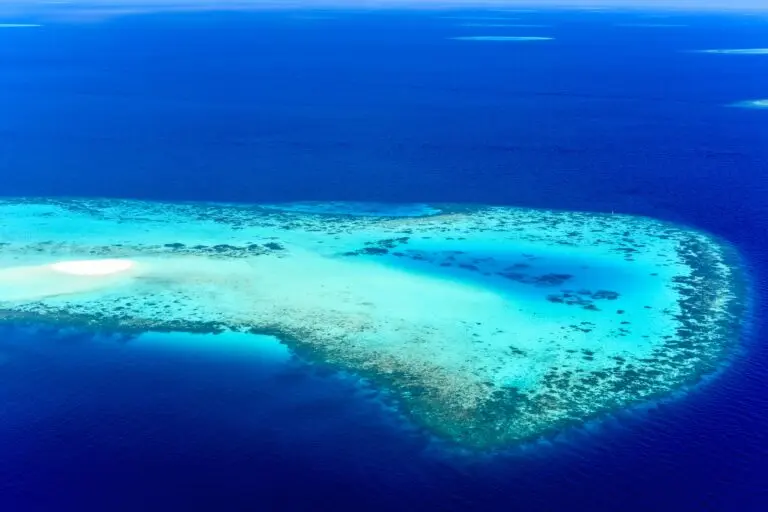
The Indian Ocean is warming faster than the global average, with serious consequences for regional climate and marine ecosystems. As the third largest and geologically youngest ocean, its dynamics are driven by the monsoon, which reverses winds seasonally and influences currents, productivity, salinity and oxygen levels across the basin.
The summer monsoon causes upwelling along the west coast of India and Somalia, making the Arabian Sea one of the world's most productive marine regions. In contrast, the Bay of Bengal receives huge freshwater inflow from rivers, reducing mixing and phytoplankton growth. The ocean's fastest warming rate threatens to increase extreme weather events and damage ecosystems that support a third of the global population.
The Indian Ocean formed from the ancient Tethys Sea, which closed when the Indian plate collided with Asia, creating the Himalayas. This closure caused widespread marine extinctions and shifted biodiversity eastward. Monsoon-driven circulation shapes marine life distribution, with the Arabian Sea and Bay of Bengal showing stark contrasts in productivity, salinity and oxygen levels.
Indian Opinion Analysis
The Indian Ocean's rapid warming directly threatens the monsoon, on which Indian agriculture and water security depend. A warmer ocean can alter monsoon timing and intensity, increasing the risk of floods and droughts. The Arabian Sea's high productivity supports major fisheries, but warming and deoxygenation could collapse fish stocks. India's coastal communities and economy are deeply exposed. The next key signal is the Indian Ocean Dipole forecast, which will indicate whether the coming monsoon season will bring normal or extreme rainfall.
Source: india.mongabay.com
This story was synthesised by AI from the source linked above. Methodology and corrections.