









Now Reading: Alaska creek restored after gold mining; salmon runs rise six-fold
-
01
Alaska creek restored after gold mining; salmon runs rise six-fold

Alaska creek restored after gold mining; salmon runs rise six-fold


Salmon runs in Alaska's Resurrection Creek have increased six-fold after a restoration project that reconnected the creek to its historic floodplain. The first phase, completed in 2006 by the US Forest Service,…
The Story in Brief
Salmon runs in Alaska's Resurrection Creek have increased six-fold after a restoration project that reconnected the creek to its historic floodplain. The first phase, completed in 2006 by the US Forest Service, restored a 1.5-mile reach that had been damaged by decades of hydraulic and placer gold mining. Mining had degraded riverbanks, altered stream channels, and destroyed wetlands vital for salmon spawning.
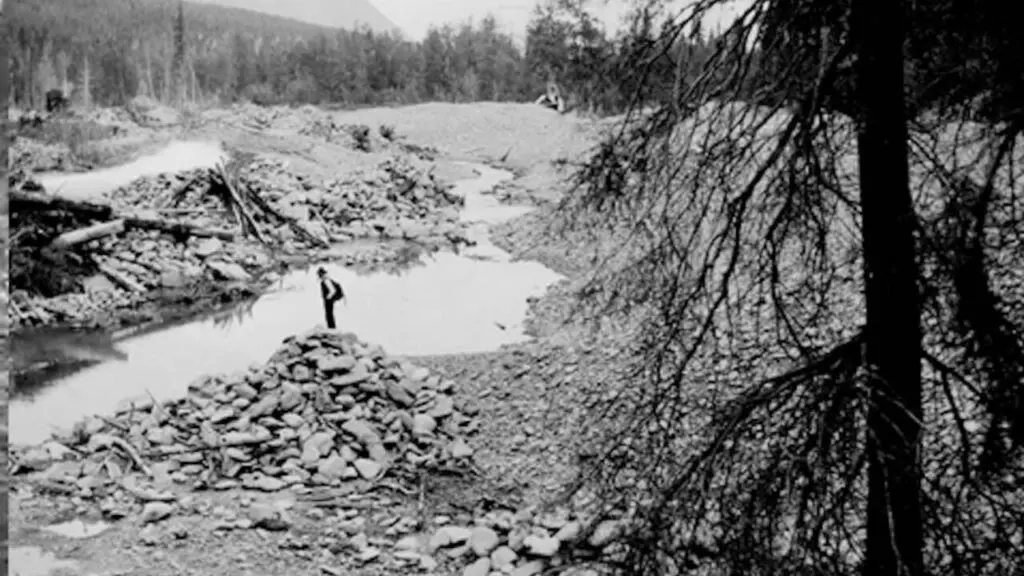
A second phase, led by the National Forest Foundation with partners including Trout Unlimited and the Hope Mining Company, will restore another 2.2 miles of creek and 74 acres of riparian habitat. The $7 million effort, boosted by a $3.8 million NOAA grant, builds on the earlier success. The National Forest Foundation report notes that the restoration has also benefited bears, moose, and bald eagles that rely on the creek's wetlands and forests.
The Indian Opinion
The six-fold jump in salmon runs after restoring just 1.5 miles of Resurrection Creek is a powerful counter to the narrative that environmental damage is irreversible. But such success required years of planning, millions of dollars, and a willing landowner. The real test for India's own polluted rivers is whether government and industry can replicate this focused, long-term investment. Will they fund similar restoration before the damage becomes too deep to fix?
Source: timesofindia.indiatimes.com
This story was synthesised by AI from the source linked above.