





















Now Reading: Assam’s CWRC completes 25 years of wildlife conservation
-
01
Assam’s CWRC completes 25 years of wildlife conservation


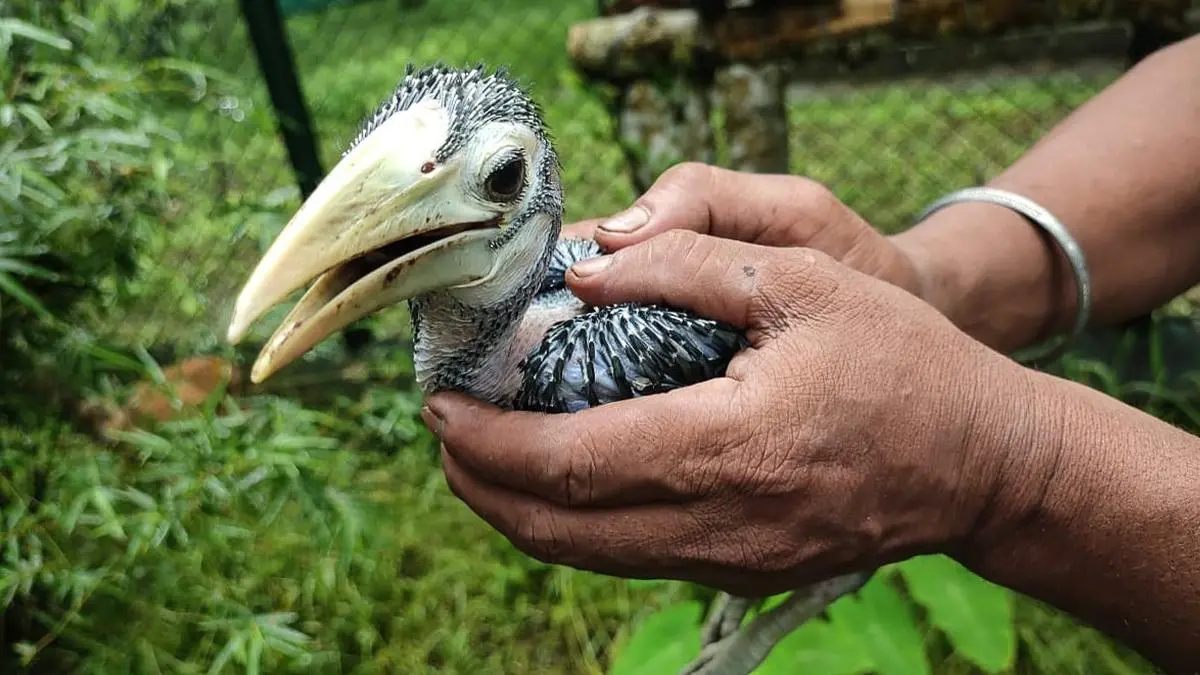
Assam's Centre for Wildlife Rehabilitation and Conservation (CWRC), India's first dedicated facility for hand-raising, treating and releasing orphaned and injured animals back into the wild, has entered its 25th year. Located at…
Assam's Centre for Wildlife Rehabilitation and Conservation (CWRC), India's first dedicated facility for hand-raising, treating and releasing orphaned and injured animals back into the wild, has entered its 25th year. Located at Panbari near Kaziranga National Park and Tiger Reserve, the CWRC was established on August 28, 2002. It is jointly run by the Assam Forest Department, the Wildlife Trust of India (WTI), and the International Fund for Animal Welfare.
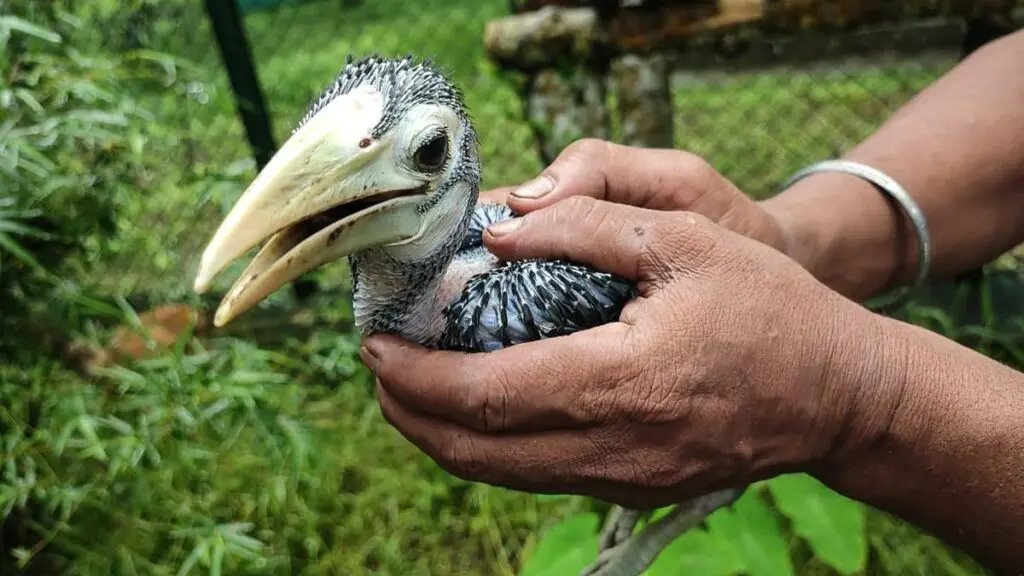
Over the years, the centre and its mobile veterinary units have treated more than 10,000 rescued animals, releasing about 68% of them back into the wild. Kaziranga's Field Director, C. Ramesh, said the CWRC's contribution to wildlife rescue and rehabilitation has been invaluable. WTI's Joint Director, Rathin Barman, called it a journey of compassion, science, and partnership. Centre Manager and lead veterinarian Bhaskar Choudhury credited local communities and government agencies for the success.
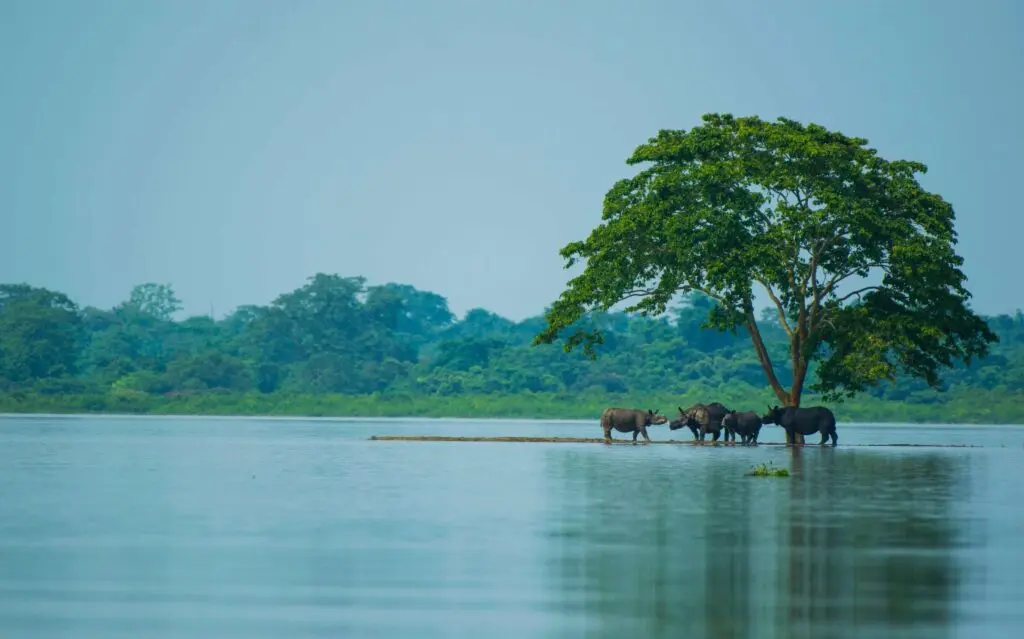
Beyond emergency response, the CWRC works to reduce human-animal conflict and strengthen community-led conservation. It has played a key role in reintroducing one-horned rhinos to Manas National Park and rehabilitating Asiatic black bears, wild buffalo, and hoolock gibbons across Assam's protected areas.
Indian Opinion Analysis
The CWRC's 68% release rate is notable for a facility that takes in flood-stranded animals, orphaned young, and conflict victims, not just healthy adults. For context, many rescue centres internationally release fewer than half their admissions. The centre's work also supports Assam's rhino translocation programme, which repopulated Manas National Park after poaching nearly wiped out the species there in the 1990s. The next milestone to watch is how the CWRC handles the 2026 monsoon flood season, when it typically receives the highest number of rescues.
Source: thehindu.com
This brief was synthesised by AI from the source linked above.