














Now Reading: Supreme Court seeks Bihar minister’s records on MLC nomination
-
01
Supreme Court seeks Bihar minister’s records on MLC nomination


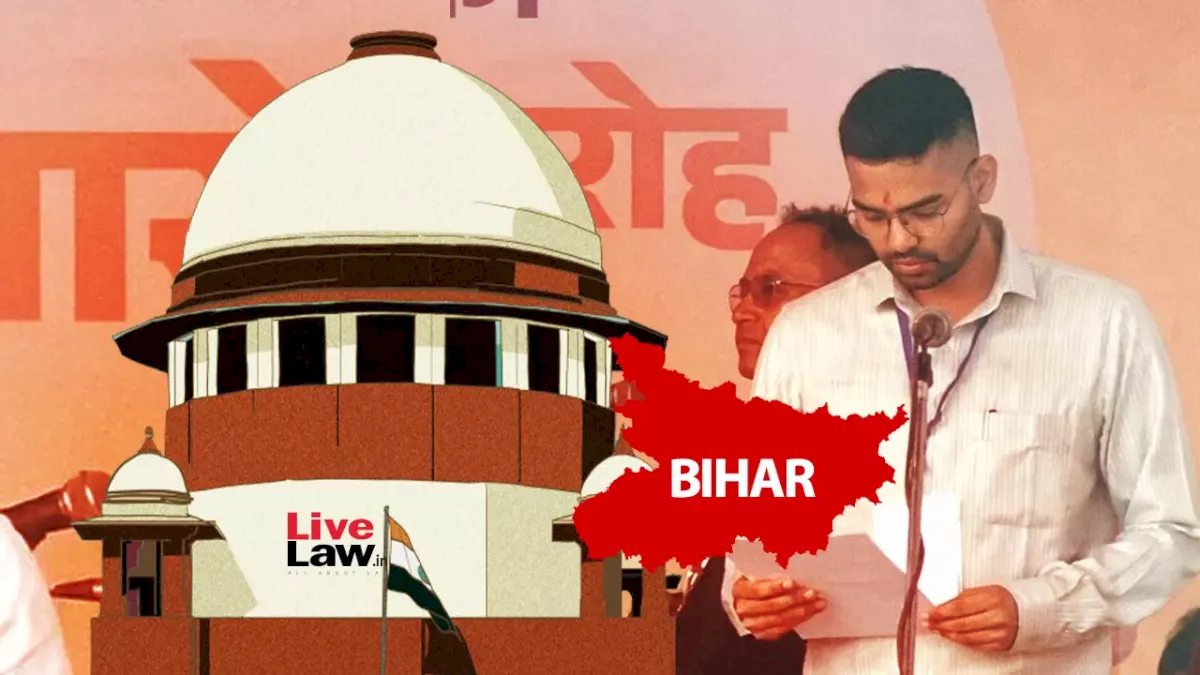
The Supreme Court on Friday sought records from the Bihar government on the appointment of minister Deepak Prakash, his re-induction in May, and his hurried nomination as an MLC. A PIL challenges…
The Story in Brief
The Supreme Court on Friday sought records from the Bihar government on the appointment of minister Deepak Prakash, his re-induction in May, and his hurried nomination as an MLC. A PIL challenges that he continues as minister after the six-month deadline under Article 164(4) expired on May 20. Solicitor General Tushar Mehta argued that the nomination now cures any disqualification.

The petitioner, citing the 2001 S.R. Chaudhari ruling, says the six-month grace period for a non-legislator minister is non-renewable and cannot be reset by a change of government or reappointment. The bench asked for all appointment documents and adjourned the hearing.
The Indian Opinion
The Bihar government's move to nominate Deepak Prakash as an MLC just days before the six-month deadline reads like a textbook example of political expediency. Yet the government insists procedure was followed. The Supreme Court's 2001 Chaudhari judgment is unambiguous: repeated reappointments of non-legislators undermine electoral accountability. The real test is whether the court treats the fresh nomination as a genuine cure or a colourable device to bypass the constitutional bar. That distinction will decide this case.
Sources (2): livelaw.in, timesofindia.indiatimes.com
This story was synthesised by AI from the 2 sources linked above.
Updated: this story now draws on 2 sources.