






















Now Reading: Indian judges say AI must assist, not replace human reasoning
-
01
Indian judges say AI must assist, not replace human reasoning


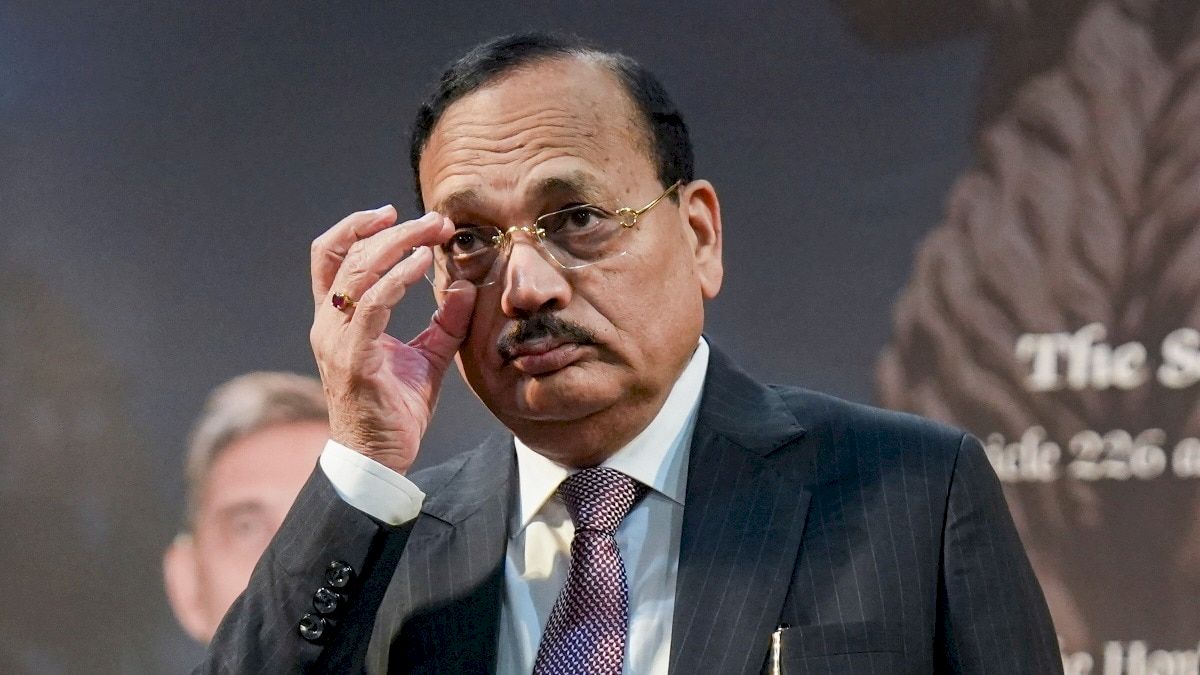
Chief Justice of India Surya Kant said AI can support court administration but cannot replace the human judgment needed for justice. Speaking at a Supreme Court Advocates-on-Record Association event, he said digitisation…
The Story in Brief
Chief Justice of India Surya Kant said AI can support court administration but cannot replace the human judgment needed for justice. Speaking at a Supreme Court Advocates-on-Record Association event, he said digitisation had improved access, transparency and case tracking for litigants. Justice Abha Nayar Patel of Zambia’s Supreme Court also discussed e-filing, virtual hearings and AI-assisted legal research.
Separately, Karnataka High Court judge Justice Dinesh Kumar Singh warned that AI-generated legal citations could be fabricated and must be checked against authoritative sources. He said tools such as automated transcription, translation, case management and legal research could reduce workloads, but concerns over bias, transparency and explainability require safeguards.

The Indian Opinion
The loudest narratives are that AI will either rescue India’s overburdened courts or make judges obsolete. Both are lazy. Faster searches and digital records can help, but a system that invents precedents or hides bias can damage liberty and trust. The practical test is simple: can every AI-assisted citation be independently verified, and can courts show who remains accountable for the final decision?
Sources (2): indiatoday.in, legal.economictimes.indiatimes.com
This story was synthesised by AI from the 2 sources linked above.
Updated: this story now draws on 2 sources.