








Now Reading: CJI touts virtual courts as inequality persists across India
-
01
CJI touts virtual courts as inequality persists across India



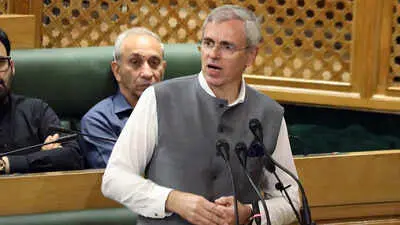
Chief Justice Surya Kant said technology enables courts to fulfil constitutional responsibilities more effectively, through digitisation and virtual hearings. He highlighted benefits for litigants and democratisation of the legal profession, speaking at…
The Story in Brief
Chief Justice Surya Kant said technology enables courts to fulfil constitutional responsibilities more effectively, through digitisation and virtual hearings. He highlighted benefits for litigants and democratisation of the legal profession, speaking at an SCAORA event on August 8.

However, Barandbench reports that India's virtual courts system remains deeply uneven. Six years after the pandemic order, litigants in metropolitan commercial courts get dedicated bandwidth and trained staff, while undertrials in district courts often face adjourned hearings due to broken webcams, borrowed laptops, and patchy connectivity. The e-Committee's own data confirms a stark spread between best and worst-performing states, making access to justice dependent on pin code.
The Indian Opinion
The CJI's vision of a digital justice ecosystem is welcome, but the ground reality for undertrial prisoners tells a different story. Both sides of this debate risk exaggeration: technology enthusiasts ignore infrastructure gaps, while critics overlook genuine progress in commercial courts. The real test is not policy papers but whether the next phase of e-courts funding reaches the taluka courts where a single laptop serves an entire complex. That number will settle the question.
Sources (2): barandbench.com, timesnownews.com
This story was synthesised by AI from the 2 sources linked above.
Updated: this story now draws on 2 sources.