















Now Reading: Colorado team makes durable polyester using captured carbon dioxide
-
01
Colorado team makes durable polyester using captured carbon dioxide



Researchers at Colorado State University have developed a method to make high-molar-mass polyesters using carbon dioxide, Nature reports. The process combines CO2 with bicyclic carbon molecules and an organic catalyst through alternating…
The Story in Brief
Researchers at Colorado State University have developed a method to make high-molar-mass polyesters using carbon dioxide, Nature reports. The process combines CO2 with bicyclic carbon molecules and an organic catalyst through alternating copolymerisation.
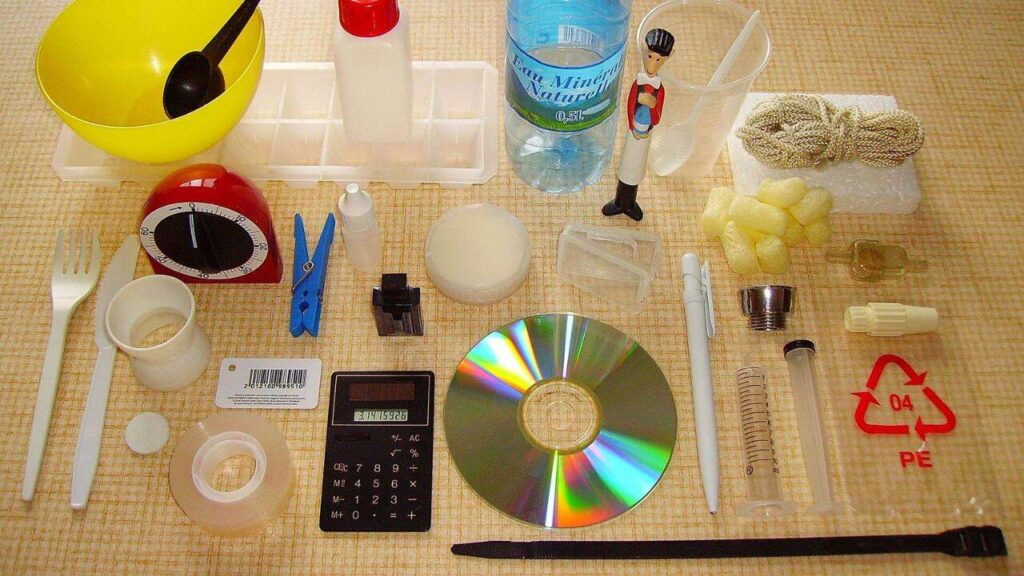
The resulting plastics contain 50% CO2, the maximum theoretical share, and have adjustable thermal and mechanical properties. Tests described in the study found that the materials remained stable under high heat and harsh chemicals. The team, led by Eugene Chen and including Min Zhu, says the approach could offer an alternative to some petroleum-based plastics. The research involved CSU and Northwestern University and received support from the National Science Foundation and the BOTTLE Consortium.

The Indian Opinion
Claims that any plastic made with captured carbon is automatically green would be too easy. The chemistry is promising, but the source does not establish commercial scale, cost, emissions across production, or performance in everyday waste systems. Nor should durability alone be treated as proof of sustainability. The practical test is whether these polymers can be produced economically and repeatedly recycled without creating a new waste problem.
Source: timesofindia.indiatimes.com
This story was synthesised by AI from the source linked above.