Now Reading: Sugar-based bioplastics offer alternative to persistent plastic pollution
-
01
Sugar-based bioplastics offer alternative to persistent plastic pollution

Sugar-based bioplastics offer alternative to persistent plastic pollution

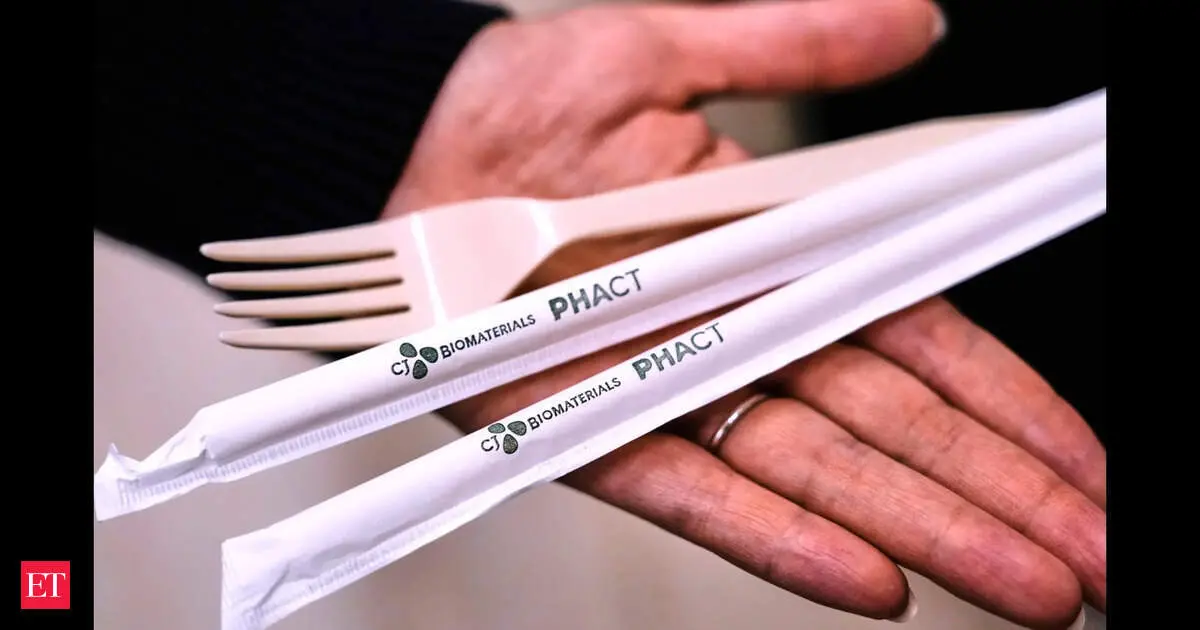
A Massachusetts lab is making forks and films from bioplastic pellets produced by CJ Biomaterials, which ferments sugar to create plant-based polymers that microbes can consume. The forks are thin enough for…
The Story in Brief
A Massachusetts lab is making forks and films from bioplastic pellets produced by CJ Biomaterials, which ferments sugar to create plant-based polymers that microbes can consume. The forks are thin enough for home composting, though bendier than traditional plastic. The company aims to replace single-use plastics and food-contaminated containers that cannot be recycled, offering a compostable alternative. Traditional plastics persist for decades, fragmenting into microplastics found in oceans, air, and body tissues.
CJ Biomaterials, part of South Korea's CJ Group, produces polyhydroxyalkanoates (PHA) at a plant in Indonesia since 2022. The World Wildlife Fund views bioplastics as one needed solution, while environmental groups like the Global Alliance for Incinerator Alternatives argue they perpetuate single-use consumption. Nations are negotiating a treaty to combat plastic pollution, with talks expected to resume early next year.
The Indian Opinion
The hype around bioplastics as a pollution silver bullet ignores hard trade-offs. They use farmland and water for crops instead of food, and some environmentalists say they distract from reducing plastic production itself. The real test is not whether a fork breaks down in a lab composter but whether these materials scale without displacing food or creating new waste streams. Can countries like India, with limited composting infrastructure, manage them at all?
Source: economictimes.indiatimes.com
This story was synthesised by AI from the source linked above.