











Now Reading: ICTS professor Deepak Dhar wins 2026 Dirac Medal
-
01
ICTS professor Deepak Dhar wins 2026 Dirac Medal


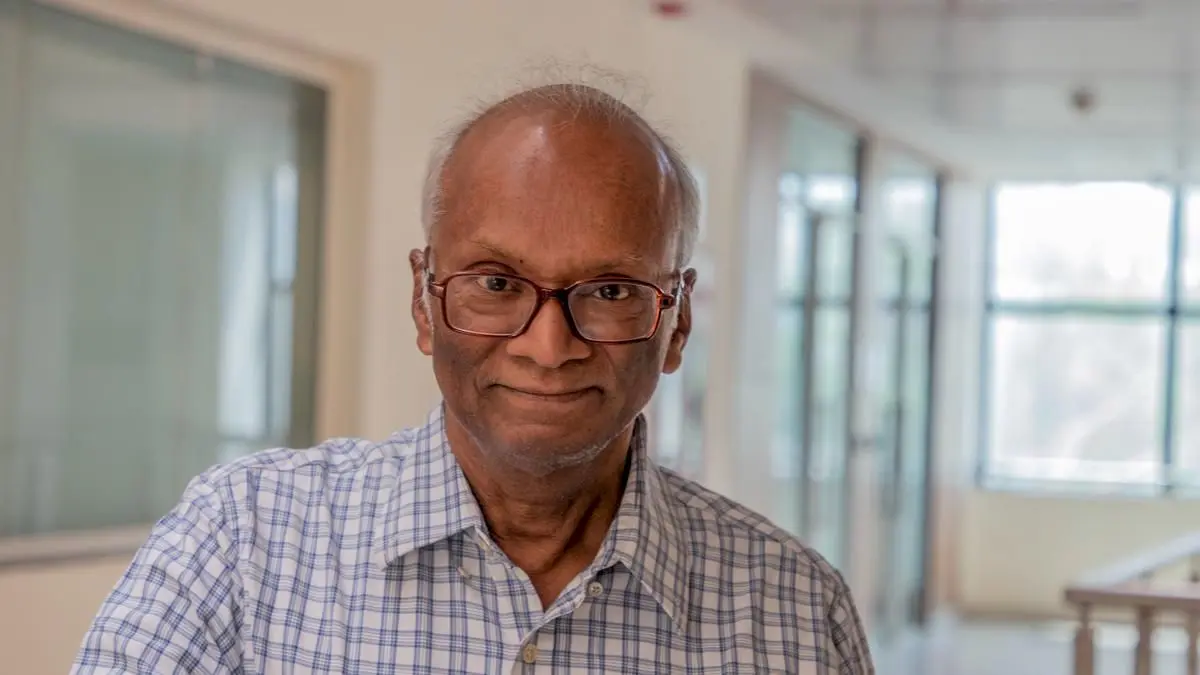
Theoretical physicist Deepak Dhar has been awarded the 2026 Dirac Medal by the International Centre for Theoretical Physics (ICTP) for his pioneering contributions to statistical mechanics. Dhar, an INSA Distinguished Professor at…
The Story in Brief
Theoretical physicist Deepak Dhar has been awarded the 2026 Dirac Medal by the International Centre for Theoretical Physics (ICTP) for his pioneering contributions to statistical mechanics. Dhar, an INSA Distinguished Professor at the International Centre for Theoretical Sciences in Bengaluru, shares the honour with Bernard Derrida, Marc Mezard and Haim Sompolinsky. The award recognises their work extending statistical mechanics into non-equilibrium systems, optimisation problems, theoretical neuroscience, and artificial intelligence.
Dhar is best known for developing the Abelian sandpile model, which describes how small triggers can cause large, unpredictable events in complex systems, from earthquakes to financial markets. Born in Pratapgarh, Uttar Pradesh in 1951, he earned his PhD from Caltech, where he was a teaching assistant to Richard Feynman, before returning to India. He is the second India-based winner of the Dirac Medal after Ashoke Sen in 2012. Dhar had previously won the Boltzmann Medal in 2022 and the Padma Bhushan in 2023.
The Indian Opinion
Indian science reporting often swings between triumphalism and fatalism. This Dirac Medal for Deepak Dhar is genuine cause for celebration: he is only the second India-based scientist to win it. The temptation will be to use his story as a stick to beat the system, 'look what he achieved despite India'. More useful is the fact that Dhar returned from Caltech in 1978 and built a career at TIFR and IISER Pune. The real test is not one exceptional physicist but whether the ecosystem can produce ten more like him.
Sources (2): thehindu.com, thehindu.com (2)
This story was synthesised by AI from the 2 sources linked above.
Updated: this story now draws on 2 sources.