




















Now Reading: Delhi couple sent SIM cards to Pakistan for ISI espionage
-
01
Delhi couple sent SIM cards to Pakistan for ISI espionage


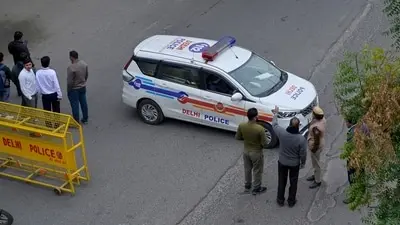
The Delhi Police's special cell has arrested a couple in their 20s for allegedly procuring Indian SIM cards and sending them to Pakistan via Dubai for use by Pakistani intelligence operatives. The…
The Delhi Police's special cell has arrested a couple in their 20s for allegedly procuring Indian SIM cards and sending them to Pakistan via Dubai for use by Pakistani intelligence operatives. The operatives, backed by the Inter-Services Intelligence (ISI), used the cards to activate WhatsApp accounts from Pakistan and join Indian WhatsApp groups to collect sensitive defence-related information.
The accused, Mohammad Sahil (25) and his wife Sameera (21), were allegedly paid Rs 30,000 for sending eight SIM cards in 2024 and 2025. Police said Sahil, an IGNOU graduate, was unemployed, and Sameera worked at a call centre. The couple was allegedly recruited via Instagram by a Pakistani agent and later tasked with recruiting others for reconnaissance of cantonments and sharing details of Indian Army personnel facing court-martial.
Deputy commissioner of police (special cell) Narra Chaitanya said forensic analysis of the couple's phones revealed incriminating chats with handlers. The investigation uncovered the network's modus operandi and provided insights into its structure. The special cell was tipped off about the ISI-backed network in Delhi and the National Capital Region, leading to the arrests.
Indian Opinion Analysis
The case fits a pattern of ISI-linked espionage networks using Indian citizens as logistical facilitators, often recruited through social media. The amounts involved are small, Rs 30,000 for eight SIM cards, suggesting the handlers rely on low-cost, low-risk operatives. The key vulnerability highlighted is that foreign-activated Indian SIMs can bypass telecom verification norms if procured illegally. The special cell, which operates under the Delhi Police, typically files charges under the Official Secrets Act and the Unlawful Activities (Prevention) Act. The next step will be the couple's production in court for police custody and further interrogation to map the full handler network.
The couple's prosecution under the Official Secrets Act and UAPA will likely be the next legal step, with the court deciding on remand and bail.
Source: hindustantimes.com
This brief was synthesised by AI from the source linked above.