











Now Reading: Delhi HC upholds denial of PM foreign travel records on security grounds
-
01
Delhi HC upholds denial of PM foreign travel records on security grounds

Delhi HC upholds denial of PM foreign travel records on security grounds

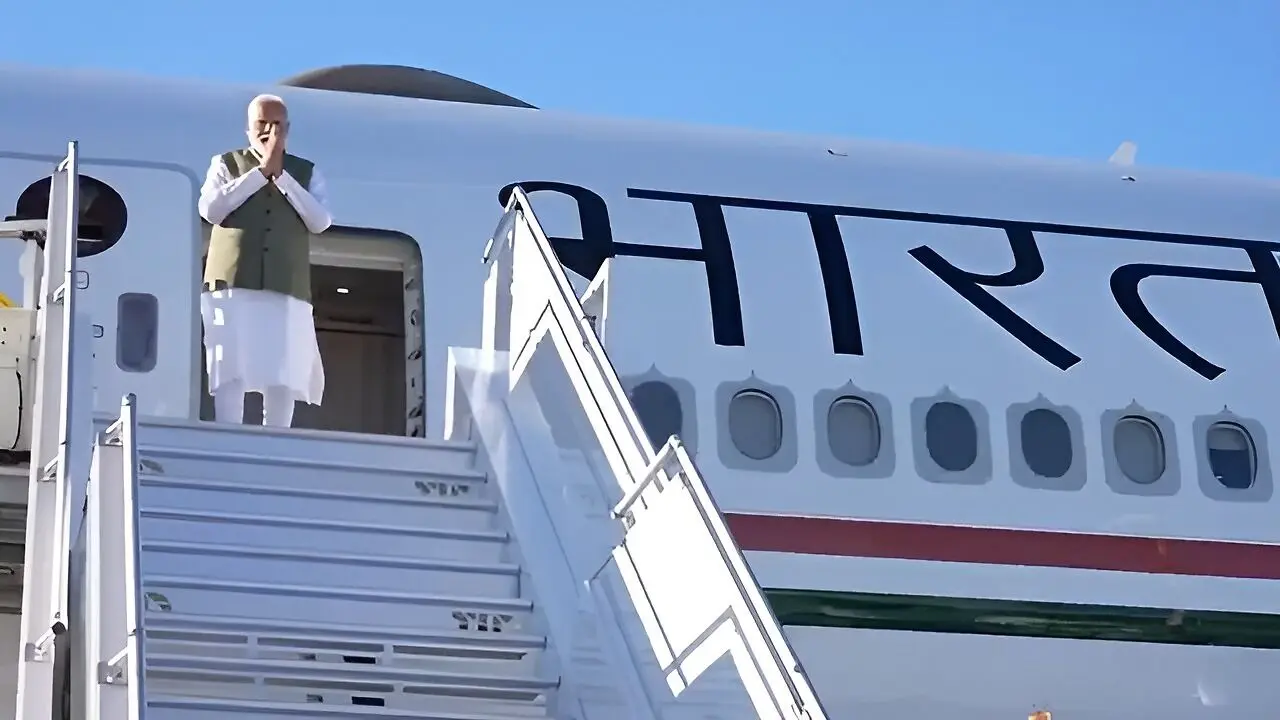
The Story in Brief
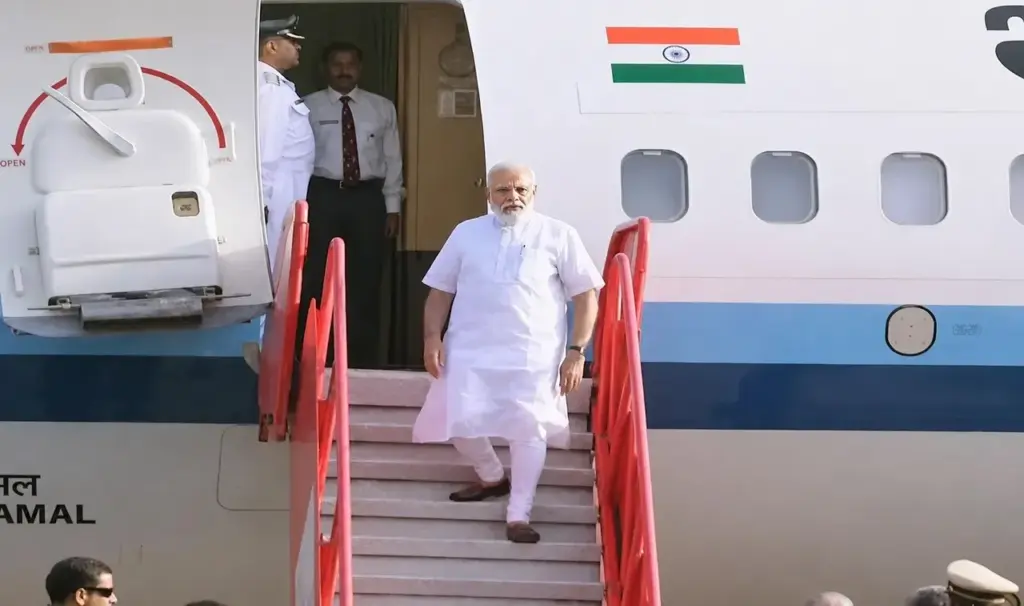
The Delhi High Court has set aside a Central Information Commission order directing the disclosure of records of foreign visits by Prime Minister Narendra Modi and former Prime Minister Manmohan Singh on Indian Air Force aircraft. Justice Amit Mahajan held on 15 October that releasing the Special Flight Returns (SFR-II) could compromise national security and endanger the Prime Minister’s life and physical safety.
The court ruled that the IAF was justified in invoking exemptions under Sections 8(1)(a) and 8(1)(g) of the RTI Act. It said the mere fact that public funds were spent on the visits did not by itself justify disclosure, and that no sufficient larger public interest had been demonstrated. The order also noted that redacting names of security personnel would not eliminate the risk, as remaining details could be correlated with public information to reconstruct security patterns.
The case stems from a 2018 RTI application by retired Commodore Lokesh K Batra seeking details of foreign trips by Prime Ministers on IAF aircraft between 1 April 2013 and 15 June 2018. The IAF had earlier denied the request, citing security concerns. The CIC had in July 2020 directed disclosure of SFR-II records, which the High Court has now overturned.
Indian Opinion Analysis
All eight sources report the same factual outcome, the Delhi High Court set aside the CIC order, but differ in how they frame the balance of interests. Verdictum.in and SCC Online lead with a detailed legal analysis of the exemptions under the RTI Act, closely tracking the court’s reasoning. Times Now, India Today and Times of India foreground the court’s statement that public expenditure alone does not justify disclosure, giving greater weight to the government’s security argument. Deccan Chronicle and Bar & Bench also report the security concerns prominently but include the applicant’s argument that he sought details of private individuals travelling at public expense, not security personnel. The Deccan Herald version is the shortest, essentially a brief wire summary. No source adopts a critical stance toward the judgment, all present the court’s reasoning as dispositive.
Coverage: 8 sources, 8 neutral
Sources (8): timesnownews.com (neutral report), deccanchronicle.com (neutral report), deccanherald.com (neutral report), indiatoday.in (neutral report), verdictum.in (neutral report), barandbench.com (neutral report), scconline.com (neutral report), timesofindia.indiatimes.com (neutral report)
This brief was synthesised by AI from the 8 sources linked above, so one read covers every framing they carry. Methodology and corrections.