









Now Reading: El Niño risk may force central banks to rethink rate cuts
-
01
El Niño risk may force central banks to rethink rate cuts



A faster-than-expected El Niño could disrupt commodity markets and force central banks in emerging economies to delay rate cuts, according to US climate researcher Michael Ferrari. His MLR-ARX model shows sea-surface temperatures rising beyond +2°C by September, exceeding the strong-event threshold used by some frameworks.

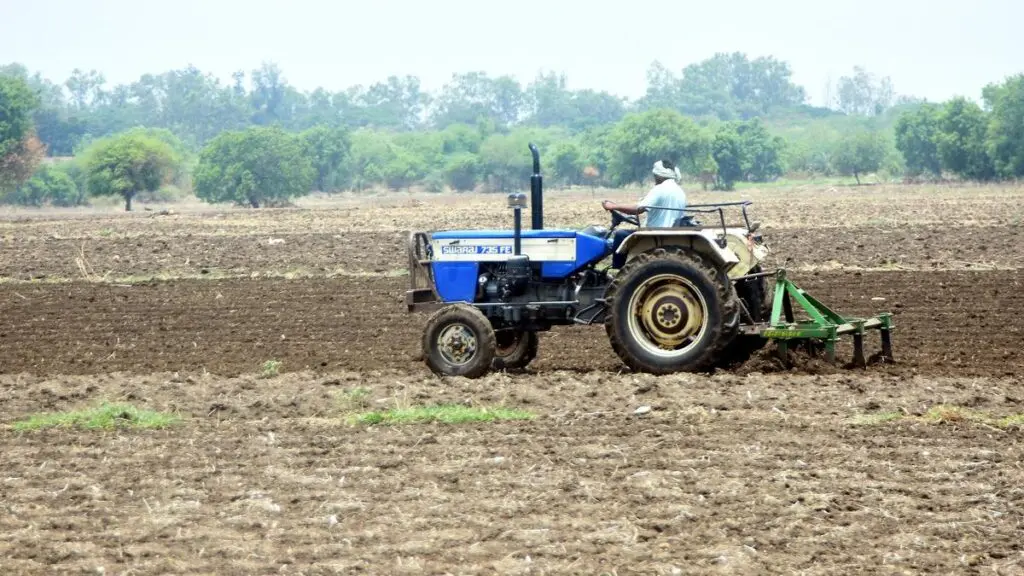
Such early warming risks hitting crops in South America, West Africa, and parts of Asia, including sugar, rice, palm oil, and coffee, before consensus forecasts price in the shock. Central banks where food carries heavy weight in inflation baskets, especially in Latin America and South-East Asia, may need to maintain or resume tightening.
The Panama Canal could face shipping restrictions from lower water levels, adding to freight costs. Hydropower shortages in Colombia, Brazil, and South-East Asia may also push up energy prices. The key test is whether physical climate signals outpace market forecasts, which often leads to abrupt price corrections.
Indian Opinion Analysis
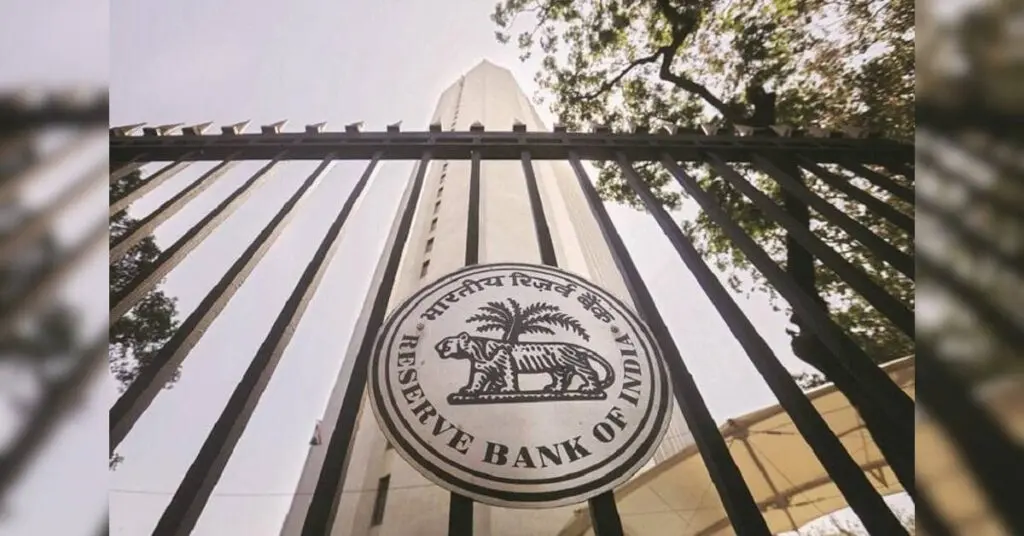
The Reserve Bank of India has historically treated food inflation as a supply-side transient, but a synchronised global weather shock tests that assumption. Food accounts for nearly 46% of the Indian consumer price index, far more than in most peers. If an early, intense El Niño damages kharif crops such as rice, sugarcane and pulses in the September-October harvest window, the RBI may face a persistent inflation overshoot that is not generated by domestic demand. Under its inflation-targeting framework, the MPC must respond to sustained deviations from the 2-6% band. The September 2023 repo rate pause followed declining food prices, a repeat pause becomes harder if monsoon deficits reappear. The key dates to watch are the IMD's August outlook and the MPC's October policy review.
Source: thehindubusinessline.com
This story was synthesised by AI from the source linked above. Methodology and corrections.