














Now Reading: Flies pollinate crops, control pests and aid scientific research
-
01
Flies pollinate crops, control pests and aid scientific research


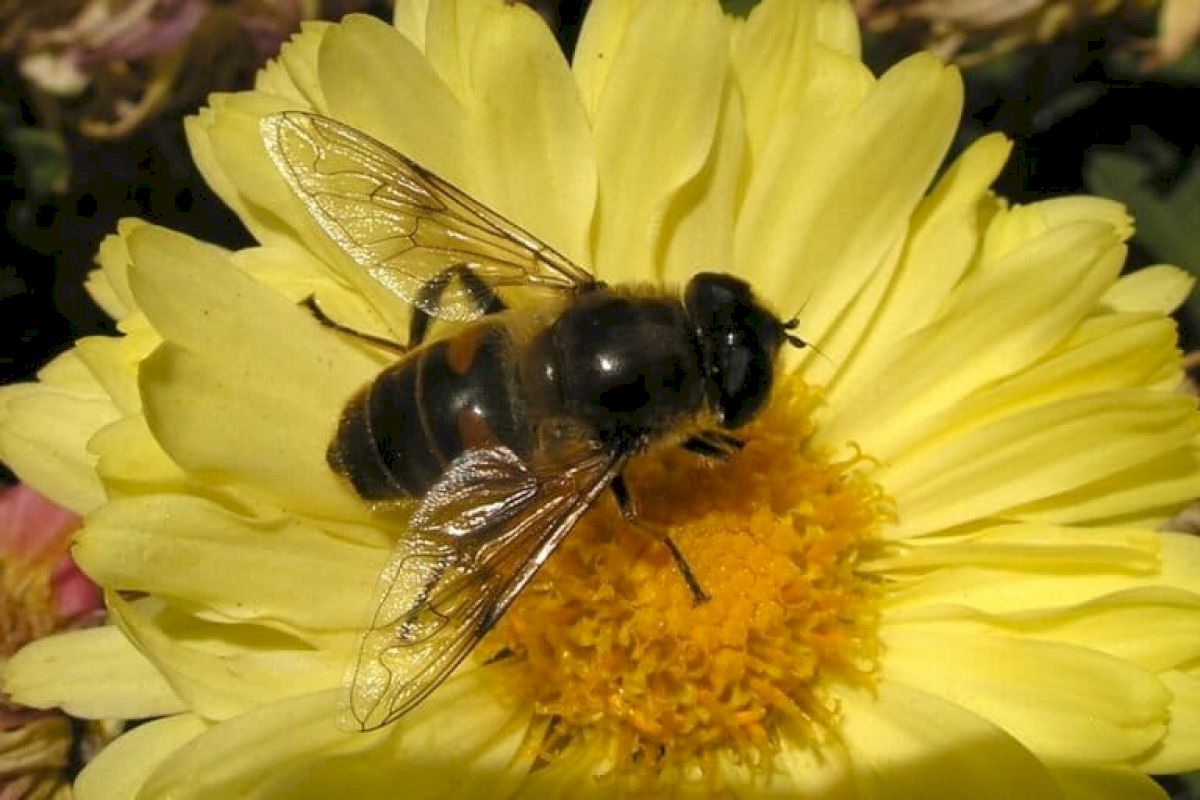
Flies are far more than disease-carrying nuisances, according to Mongabay-India. True flies, or Diptera, have one pair of wings and halteres that help them make rapid, precise movements in flight. Their hairy…
The Story in Brief
Flies are far more than disease-carrying nuisances, according to Mongabay-India. True flies, or Diptera, have one pair of wings and halteres that help them make rapid, precise movements in flight. Their hairy bodies trap pollen, while their feeding patterns differ from bees. Flies visit flowers across long distances, and a 2019 review found that they pollinated more than 70% of 105 crops studied.
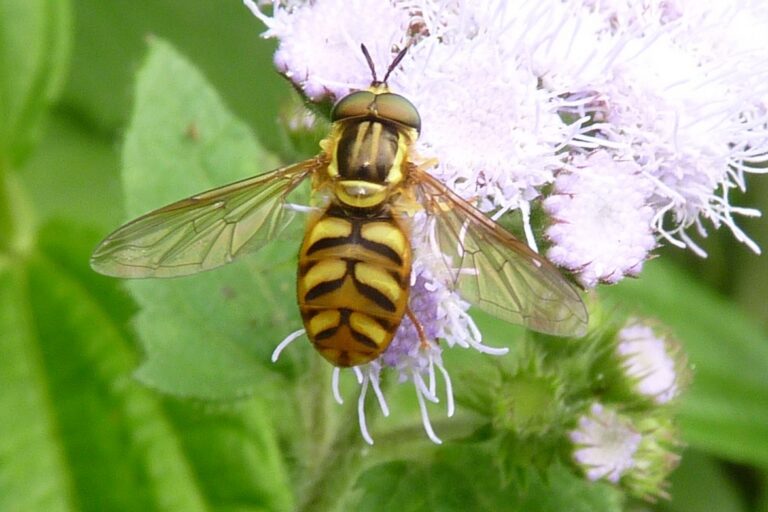
Hoverflies and blow flies are among the important non-bee crop visitors. Hoverflies also help farmers by feeding on aphids, whiteflies and other pests during their larval stage. Flies contribute to composting and soil fertility, aid criminal investigations and support research, including studies using fruit flies in spaceflight.
The Indian Opinion
The lazy story that every fly is simply dirty, or that bees alone keep crops productive, misses a large part of insect ecology. That does not make houseflies harmless, nor does it erase bees’ role. It does show why blanket pest-control campaigns can be poorly designed. Farmers and researchers should identify useful species before removing them. The practical test is whether crop studies keep recording the reported 70% pollination figure across more regions and crops.
Source: india.mongabay.com
This story was synthesised by AI from the source linked above.