














Now Reading: Fossil Pushes Insect Mimicry of Flowering Plants Back 99 Million Years
-
01
Fossil Pushes Insect Mimicry of Flowering Plants Back 99 Million Years

Fossil Pushes Insect Mimicry of Flowering Plants Back 99 Million Years

A moth lacewing fossil preserved in amber shows that insects mimicked flowering-plant leaves 99 million years ago, according to a paper in Insect Science reported by The Hindu. The finding pushes back…
The Story in Brief
A moth lacewing fossil preserved in amber shows that insects mimicked flowering-plant leaves 99 million years ago, according to a paper in Insect Science reported by The Hindu. The finding pushes back the earlier fossil record for this behaviour by about 50 million years. Named Dryadithone cretacea, the insect had broad, intricately veined wings that copied a leaf’s midvein, feather-like structure and netted venation.
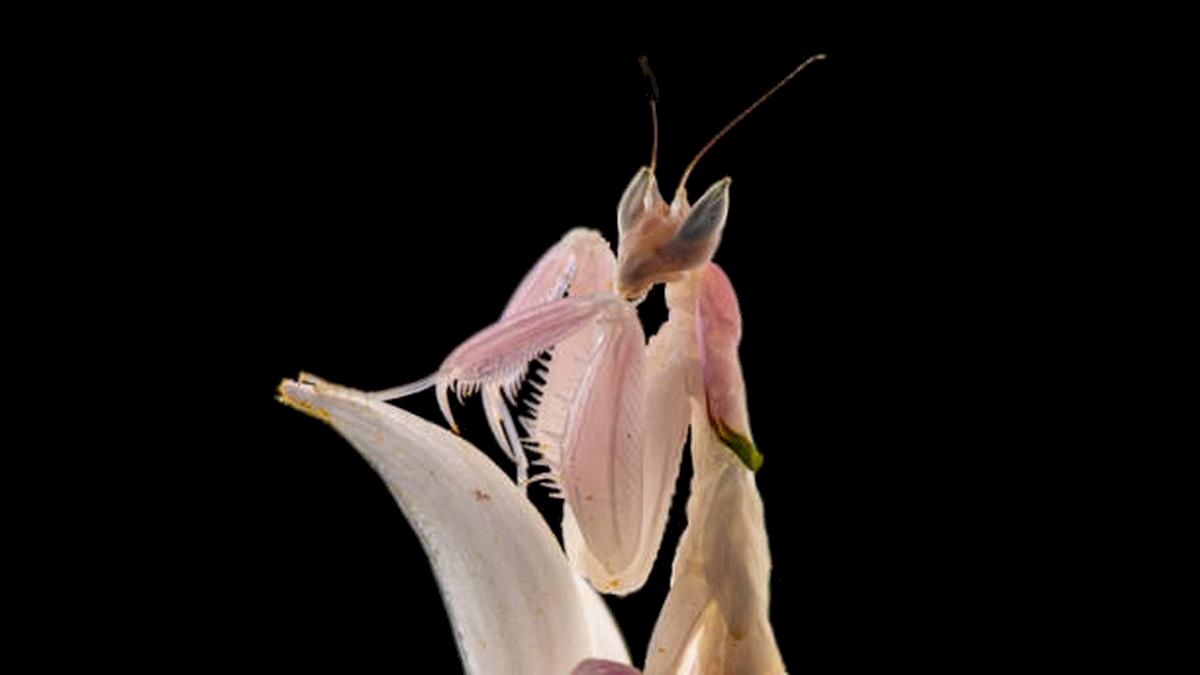
The discovery suggests that insects responded to the rise of flowering plants not only as food or habitat, but also as models for defensive camouflage. Mimicry can help insects evade predators or attract prey. Examples today include the dead leaf butterfly and the orchid mantis, while conservationist Aswathi Asokan told The Hindu that mantises and caterpillars in Indian cities also resemble bark, twigs and leaves.
The Indian Opinion
The easy story is that evolution produces perfect disguises on demand, but the fossil offers a narrower lesson. It records a convincing resemblance, not every step of the insect’s behaviour or its predator’s response. Claims that flowering plants alone drove these adaptations would also be too neat, since insects mimic bark, moss, ants and other objects. The useful test is whether more amber fossils reveal similar patterns across different Cretaceous ecosystems.
Source: thehindu.com
This story was synthesised by AI from the source linked above.