














Now Reading: Hanle women guide tourists through India’s night sky
-
01
Hanle women guide tourists through India’s night sky



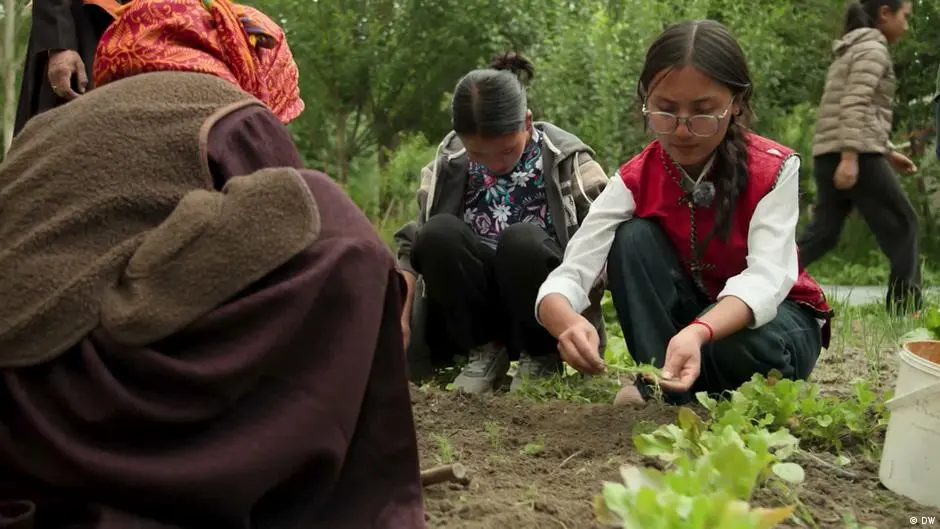
Four young women in Hanle, Ladakh, work as astro-ambassadors, guiding tourists through the night sky. By day they run family homestays, by night they operate telescopes, trace constellations and help visitors photograph…
Four young women in Hanle, Ladakh, work as astro-ambassadors, guiding tourists through the night sky. By day they run family homestays, by night they operate telescopes, trace constellations and help visitors photograph the Milky Way. The BBC reports they earn about Rs 25,000 a month from astronomy sessions, gaining financial independence.

Hanle became India's first Dark Sky Reserve in 2022. Visitor numbers surged from 3,000 a year five years ago to nearly 30,000 in 2024-25, according to government figures. In 2022 the Ladakh administration and Indian Institute of Astrophysics trained 24 locals, including these women, over 15 days in astronomy guiding.
Indian Opinion Analysis
The BBC profile emphasises individual transformation and community benefit, framing the astro-ambassadors as symbols of rural empowerment through tourism and government training. The story is neutral-report with a positive human-interest angle. The article notes the surge in visitors but does not explore environmental or infrastructure pressures on the fragile high-altitude region. As tourism numbers grow, managing waste, light pollution and strain on limited resources will test the reserve's conservation goals.
Coverage: 2 sources, 2 neutral
Sources (2): bbc.com (neutral report), bbc.co.uk (neutral report)
This brief was synthesised by AI from the 2 sources linked above, so one read covers every framing they carry.