












Now Reading: ITAT Mumbai: Higher stamp value alone cannot prove undisclosed income
-
01
ITAT Mumbai: Higher stamp value alone cannot prove undisclosed income



The Income Tax Appellate Tribunal (ITAT) Mumbai has ruled that a higher stamp-duty valuation of a property, by itself, cannot prove that a buyer made an undisclosed investment. The order came in…
The Story in Brief
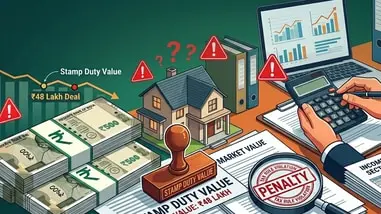
The Income Tax Appellate Tribunal (ITAT) Mumbai has ruled that a higher stamp-duty valuation of a property, by itself, cannot prove that a buyer made an undisclosed investment. The order came in the case of a Pune property buyer who paid Rs 6.5 crore for a property valued at Rs 8.85 crore for stamp duty purposes. The tax department had added Rs 2.35 crore as unexplained investment under Section 69B of the Income-tax Act, based solely on the difference.

The tribunal held that the Revenue must produce independent evidence of extra payment to invoke Section 69B. It also distinguished Section 50C, which deems stamp value as consideration for a seller, saying that fiction cannot apply to a buyer. The relief stands after the Commissioner of Income Tax (Appeals) had earlier deleted the addition.

The Indian Opinion
The ITAT ruling offers clarity for property buyers, but the tax department may try similar additions. Some narratives frame this as a blanket immunity for under-reporting, which is false. The tribunal only said a valuation gap alone is not proof of hidden payment. If the taxman brings evidence of actual extra cash changing hands, Section 69B can still apply. The real test will come when a future case produces buyer-seller affidavits or trail of funds. Without such proof, can the department keep chasing valuation differences?
Sources (2): livemint.com, livemint.com (2)
This story was synthesised by AI from the 2 sources linked above.
Updated: this story now draws on 2 sources.