








Now Reading: Higher urad sowing and imports may keep prices stable
-
01
Higher urad sowing and imports may keep prices stable


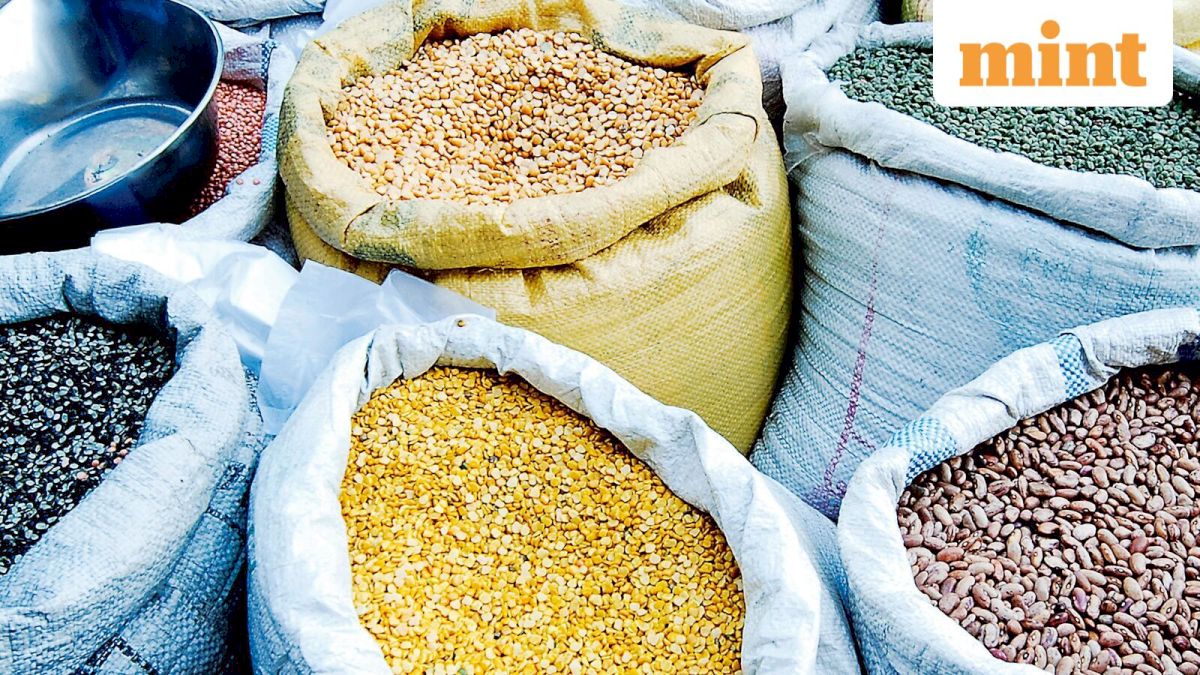
Urad supplies are expected to remain adequate this year despite El Niño concerns and a 13% rainfall shortfall, Mint reports. Kharif urad sowing was up nearly 11% year-on-year to 2.108 million hectares…
The Story in Brief
Urad supplies are expected to remain adequate this year despite El Niño concerns and a 13% rainfall shortfall, Mint reports. Kharif urad sowing was up nearly 11% year-on-year to 2.108 million hectares as of 31 July, unlike tur and paddy, whose acreage fell. The government expects output to match last year’s 2.16 million tonnes, while imports from Myanmar and Brazil could total about 900,000 tonnes.
Urad prices have still risen 6% to 7% over the past year. Average retail prices reached Rs 121.63 per kg on 5 August, against Rs 114.77 a year earlier. Officials and industry executives expect stable supplies to limit further increases in idli, dosa, dal makhani and other products.
The Indian Opinion
The loudest narratives are that El Niño will make every pulse unaffordable, or that higher sowing alone guarantees cheap food. Neither is supported yet. Urad acreage has improved, but it remains below the five-year normal, output has fallen from 2.776 million tonnes in 2021-22, and import prices are already higher. Consumers should watch the final harvest and actual arrivals, not early assurances. A production fall beyond the expected 2.16 million tonnes would test the promise of stable prices.
Source: livemint.com
This story was synthesised by AI from the source linked above.