















Now Reading: IIT Delhi forms external panel to probe MSc student death amid protests
-
01
IIT Delhi forms external panel to probe MSc student death amid protests

IIT Delhi forms external panel to probe MSc student death amid protests


IIT Delhi has set up a five-member external inquiry committee to investigate the death of 31-year-old MSc Physics student Rishikesh Kumar, who died on August 22 after falling from the sixth floor…
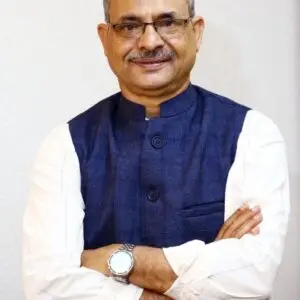
IIT Delhi has set up a five-member external inquiry committee to investigate the death of 31-year-old MSc Physics student Rishikesh Kumar, who died on August 22 after falling from the sixth floor of the Lecture Hall Complex. The panel, headed by former Uttarakhand DGP Ashok Kumar and including AIIMS psychiatry department head Professor Pratap Sharma, has been asked to submit its report within two weeks, the institute said in an email from Director Rangan Banerjee.
Students have been protesting on campus, demanding the resignation of the Dean of Student Affairs, Associate Deans, and the Physics HOD, along with Rs 1 crore compensation for the family. They have rejected the external committee as routine and ineffective. The family has alleged institutional apathy, claiming officials made insensitive remarks to the student and his mother. IIT Delhi has announced financial support for the family and plans to appoint an external ombudsperson.
Cockroach Janta Party spokesperson Ashutosh Ranka cited figures claiming 8 suicides at IIT Delhi in 3 years and 65 across all IITs in 5 years, flagging a structural problem. The National Crime Records Bureau data shows 14,488 student suicides in India in 2024, up 4.3% from 2023. A Supreme Court-appointed National Task Force on student mental health is due to submit its final report by October 31, 2026.
Indian Opinion Analysis
Pro-government framings (sources 1, 2, 9, 10) led with IIT Delhi's swift action: forming a panel, announcing financial aid, and planning an ombudsperson. Critical framings (sources 3, 5, 7, 8, 11) foregrounded student demands for resignations and compensation, and the family's allegations of humiliation. Sensationalist framing (source 7) amplified a political party's claim of 8 suicides in 3 years. The balanced reading: the institute acted procedurally but the depth of student and family anger suggests the panel's recommendations and the pending Supreme Court task force report by October 31 will be the key tests of systemic change.
The institute acted procedurally, but the depth of student and family anger suggests the panel's recommendations and the pending Supreme Court task force report by October 31 will be the key tests of systemic change.
Coverage: 11 sources, 2 pro-government, 5 government-critical, 3 neutral, 1 sensationalist
Sources (11): timesnownews.com (neutral report), ndtv.com (neutral report), ndtv.com (2) (government critical), indiatoday.in (neutral report), ndtvprofit.com (government critical), ndtvprofit.com (2) (government critical), timesnownews.com (2) (sensationalist), timesnownews.com (3) (government critical), etvbharat.com (pro government), hindustantimes.com (pro government), hindustantimes.com (2) (government critical)
This story was synthesised by AI from the 11 sources linked above.