







Now Reading: India-Pakistan Nuclear Rivalry Keeps Subcontinent a Dangerous Flashpoint
-
01
India-Pakistan Nuclear Rivalry Keeps Subcontinent a Dangerous Flashpoint

India-Pakistan Nuclear Rivalry Keeps Subcontinent a Dangerous Flashpoint

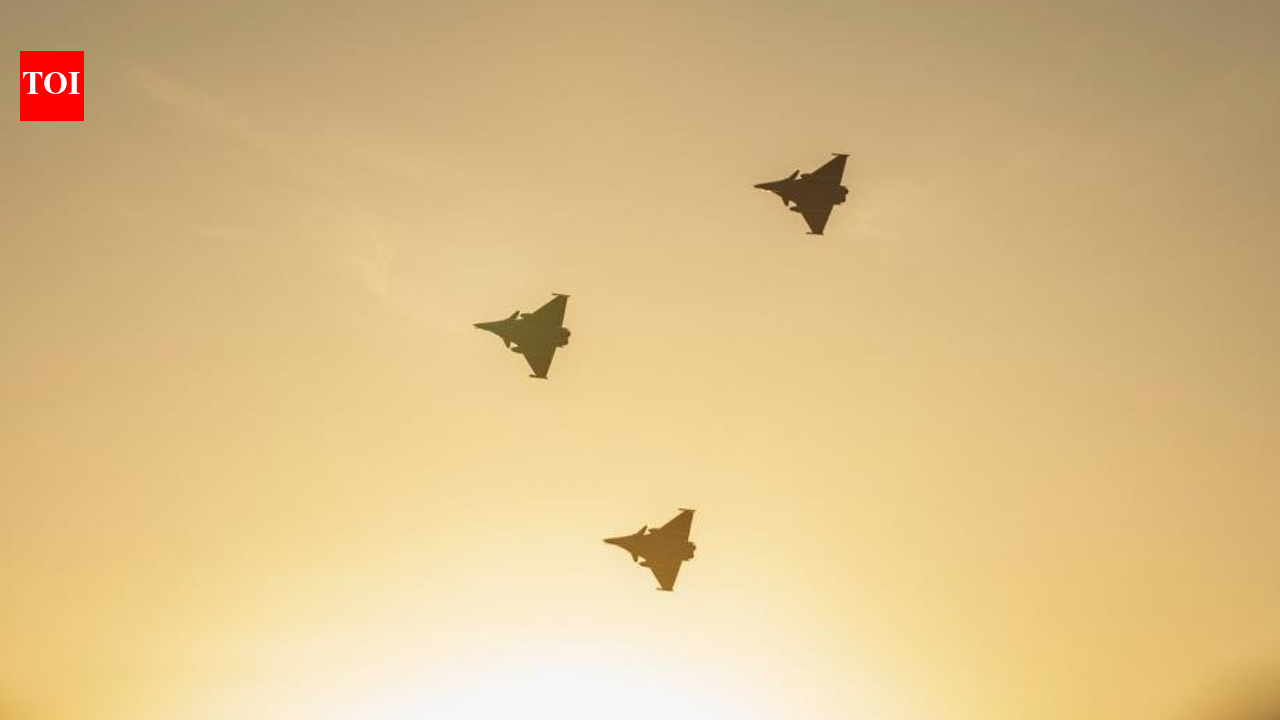
The Hiroshima and Nagasaki bombings transformed warfare and helped shape the nuclear age. India and Pakistan became declared nuclear powers in 1998. The Carnegie Endowment for International Peace has described the Indian…
The Story in Brief
The Hiroshima and Nagasaki bombings transformed warfare and helped shape the nuclear age. India and Pakistan became declared nuclear powers in 1998. The Carnegie Endowment for International Peace has described the Indian subcontinent as the world’s most dangerous nuclear flashpoint. The countries have faced repeated crises, including Kargil, the 2001-02 military standoff and a recent 88-hour conflict after the Pahalgam terror attack.
SIPRI estimates India has about 190 nuclear warheads and Pakistan about 170. India follows a declared No First Use policy and is developing a nuclear triad. Pakistan rejects No First Use and relies on full-spectrum deterrence, including tactical weapons. The source says this approach may lower the threshold for nuclear use, while both countries continue modernising their forces.
The Indian Opinion
The history of Hiroshima shows the devastating human cost of nuclear weapons. India and Pakistan’s repeated crises make restraint, communication and responsible public messaging important. Claims about an imminent nuclear exchange can create unnecessary alarm, while dismissing the risks would also be dangerous. The available estimates describe military capabilities, but they cannot predict how leaders would act during a future crisis.
Source: timesofindia.indiatimes.com
This story was synthesised by AI from the source linked above.