






















Now Reading: ISRO to launch EOS 5 satellite on GSLF F17 on September 4
-
01
ISRO to launch EOS 5 satellite on GSLF F17 on September 4


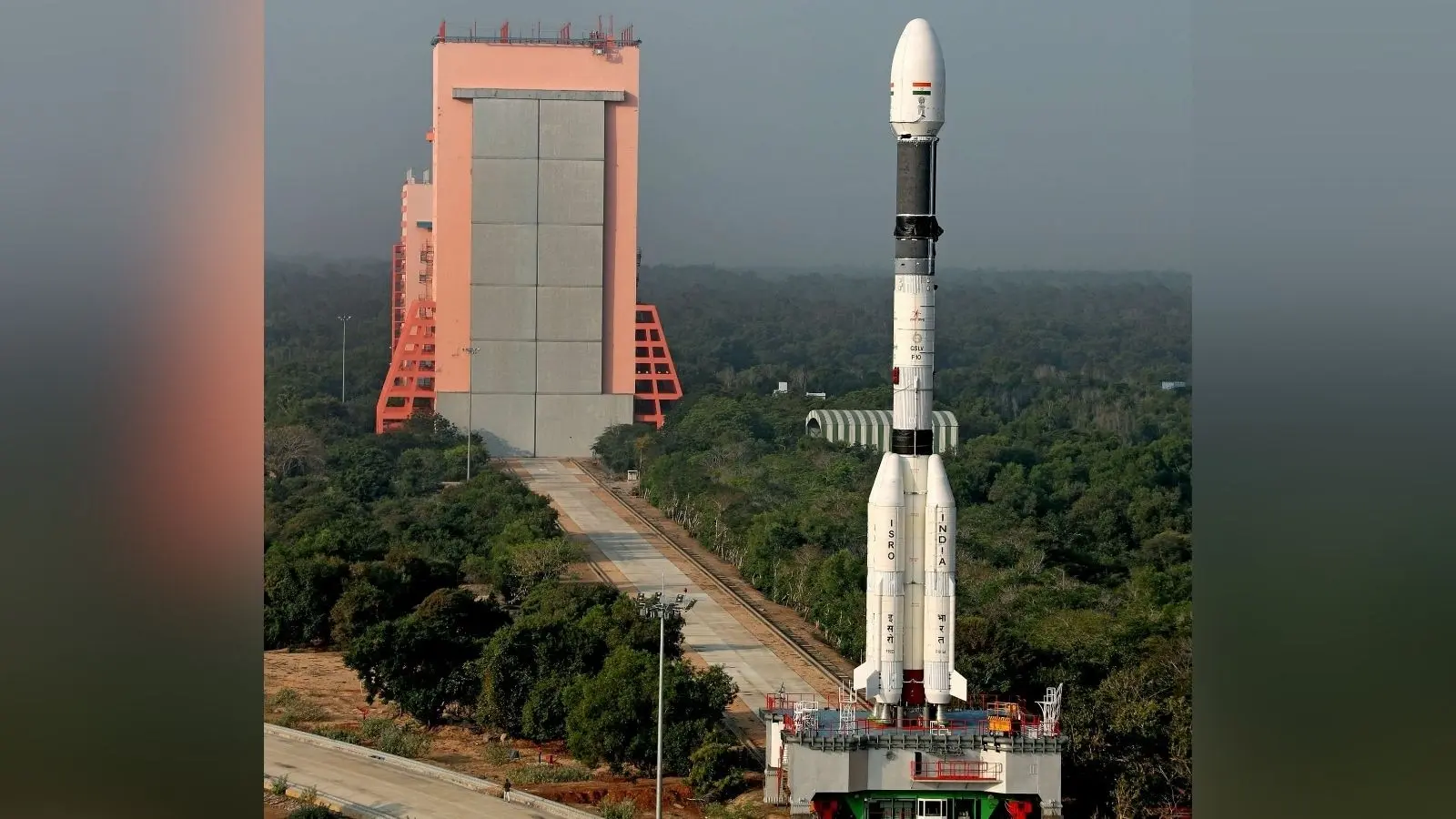
ISRO is set to launch the EOS 5 Earth observation satellite aboard a GSLV Mk II rocket in the early hours of September 4, ending an eight-month launch hiatus after two consecutive…
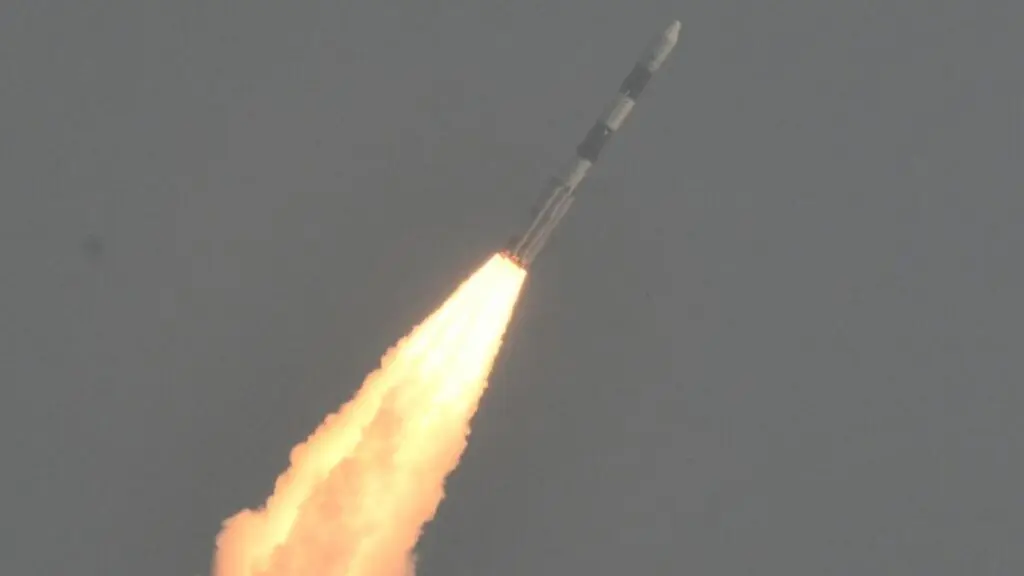
ISRO is set to launch the EOS 5 Earth observation satellite aboard a GSLV Mk II rocket in the early hours of September 4, ending an eight-month launch hiatus after two consecutive PSLV failures. The satellite, previously known as GISAT 1A, will orbit at 36,000 km and provide continuous real-time monitoring of the Indian landmass for disaster management, weather forecasting and security agencies.
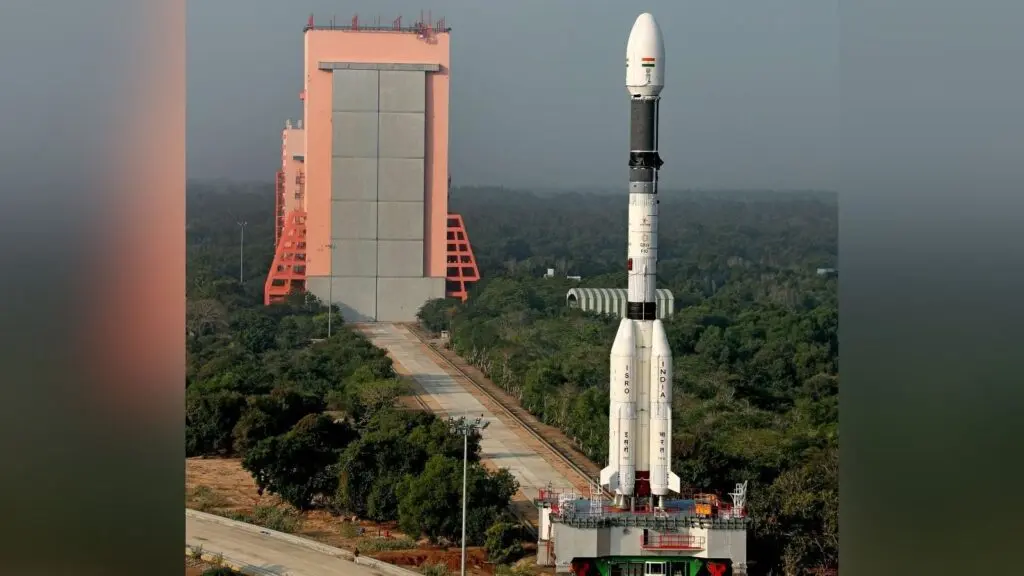
ISRO Chairman Dr V Narayanan said the agency plans seven launches by March 2027, including the first uncrewed Gaganyaan flight, and targets eight launch vehicle missions and 12 satellites this financial year. The GSLV Mk II, which does not share engines with the grounded PSLV, previously succeeded with the NASA-ISRO NISAR satellite. The mission replaces the EOS 03 satellite lost in a 2021 GSLV failure due to a cryogenic engine malfunction.
Indian Opinion Analysis
The EOS 5 launch is a test of ISRO's GSLV Mk II reliability after the 2021 cryogenic stage failure that destroyed its predecessor. A repeat failure would delay India's geostationary imaging capability, which is critical for tracking the fast-onset cyclones and floods that have grown more frequent along both coasts. The September 4 launch window opens at 4:15 AM IST from Sriharikota. Success would clear the path for the Gaganyaan uncrewed mission tentatively scheduled for late 2025.
Source: ndtv.com
This brief was synthesised by AI from the source linked above.