














Now Reading: Karnataka forms Bengaluru mobility panel to tackle traffic
-
01
Karnataka forms Bengaluru mobility panel to tackle traffic


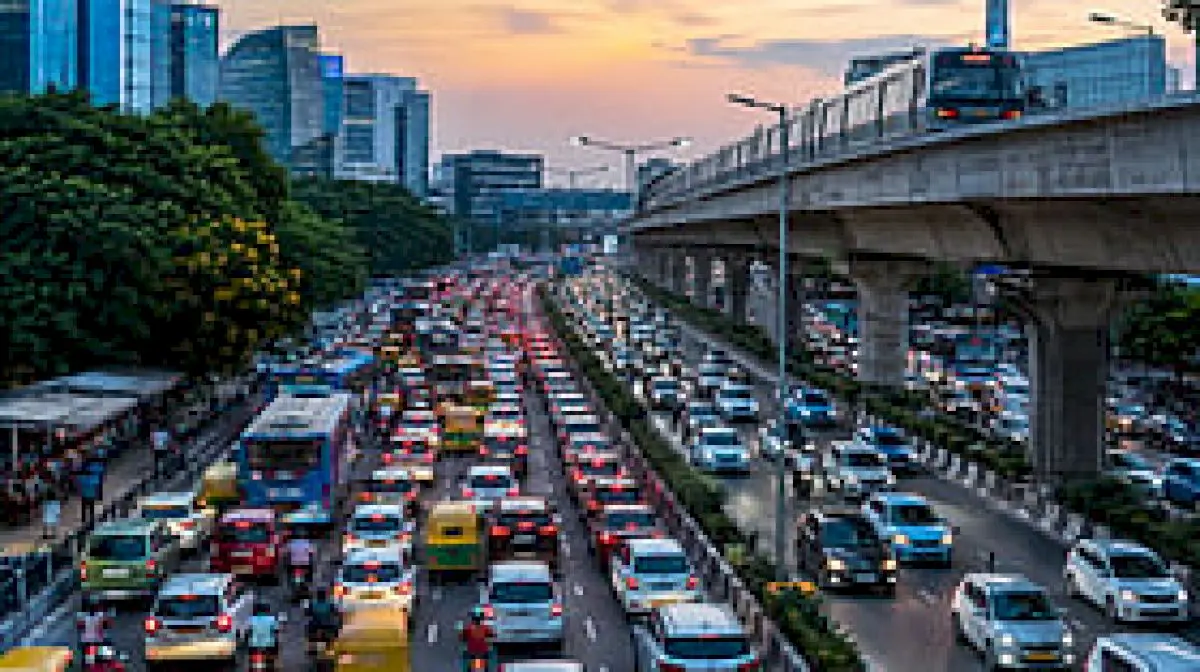
The Karnataka government has set up the Urban Mobility Mission Committee for Bengaluru (UMMCB) to address the city's chronic traffic congestion. Home Minister Priyank Kharge will chair the panel, which brings together…
The Story in Brief
The Karnataka government has set up the Urban Mobility Mission Committee for Bengaluru (UMMCB) to address the city's chronic traffic congestion. Home Minister Priyank Kharge will chair the panel, which brings together state agencies, private mobility firms, technology companies, academic institutions and citizen groups for the first time. The committee aims to move away from isolated measures and develop co-ordinated, data-driven solutions for public transport integration, last-mile connectivity, road safety and freight movement.
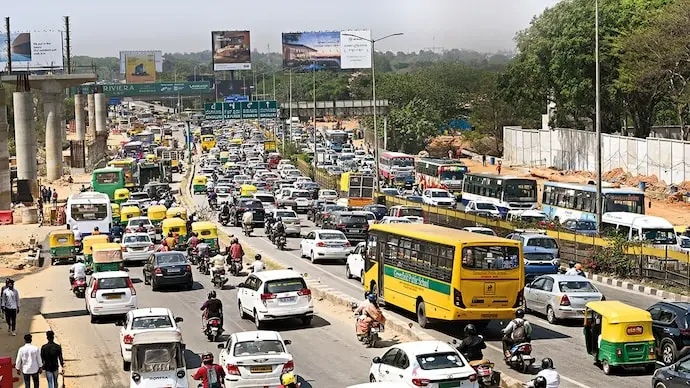
Seven working groups have been formed to focus on areas such as traffic management, public transport integration, mobility in technology clusters, digital data sharing, and infrastructure co-ordination. The panel will prepare a unified Bengaluru Mobility Action Plan, identify congestion-prone junctions, and create a Bengaluru Mobility Dashboard with real-time monitoring. The committee will meet quarterly, and progress reports will be submitted to the state government every three months.
The Indian Opinion
Another committee, another promise? Bengalureans have heard it all before. The difference this time is the formal inclusion of private operators, delivery companies and tech parks, a tacit admission that the state alone cannot fix the gridlock. But the devil is in the details: will Uber share its trip data? Will traffic police actually enforce lane discipline? The real test will be whether the quarterly dashboards lead to on-ground action or become just another file in Vidhana Soudha.
Sources (2): deccanherald.com, indiatoday.in
This story was synthesised by AI from the 2 sources linked above.
Updated: this story now draws on 2 sources.