














Now Reading: Kerala High Court: Successor to decree need not seek substitution in original court
-
01
Kerala High Court: Successor to decree need not seek substitution in original court

Kerala High Court: Successor to decree need not seek substitution in original court

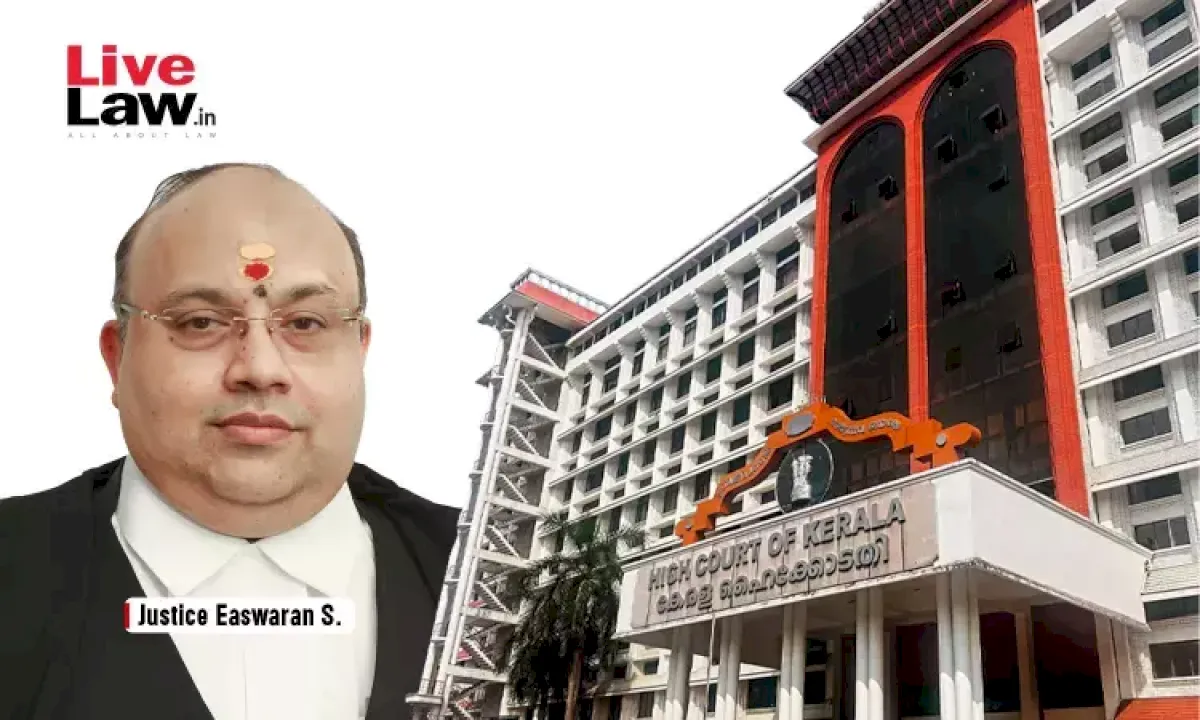
The Kerala High Court has ruled that a person who inherits rights to property covered by a decree can directly continue execution proceedings before the executing court, without first seeking substitution in…
The Story in Brief
The Kerala High Court has ruled that a person who inherits rights to property covered by a decree can directly continue execution proceedings before the executing court, without first seeking substitution in the court that passed the decree. Justice Easwaran S. held that Section 146 of the Code of Civil Procedure, read with the Explanation to Order XXI Rule 16, allows this. The court noted that the 1976 amendment to the CPC, based on a Law Commission recommendation, was designed to avoid unnecessary procedural hurdles.
The judgment came in a case involving the Kashi Math Samsthan, where a successor to the late Srimad Sudhindra Thirtha Swami sought to execute a decree originally passed by a Tirupati court. The lower court had insisted the successor first approach the Tirupati court for substitution. The High Court found this unnecessary, as the explanation to Order XXI Rule 16 preserves Section 146, enabling the successor to proceed without a separate assignment of the decree.
The Indian Opinion
This ruling cuts through procedural clutter that often delays justice for decades. The common narrative that courts are slow and procedure-bound is partly true, but here the Kerala High Court has shown that when the law is clear, it can be enforced efficiently. The 1976 amendment was meant to prevent such bottlenecks. The question now is whether lower courts will consistently apply this principle, or continue to send litigants on round trips between forums. Watch how executing courts in other states handle similar succession cases.
Source: livelaw.in
This story was synthesised by AI from the source linked above.