














Now Reading: British lawyer drew India-Pakistan border in 5 weeks
-
01
British lawyer drew India-Pakistan border in 5 weeks


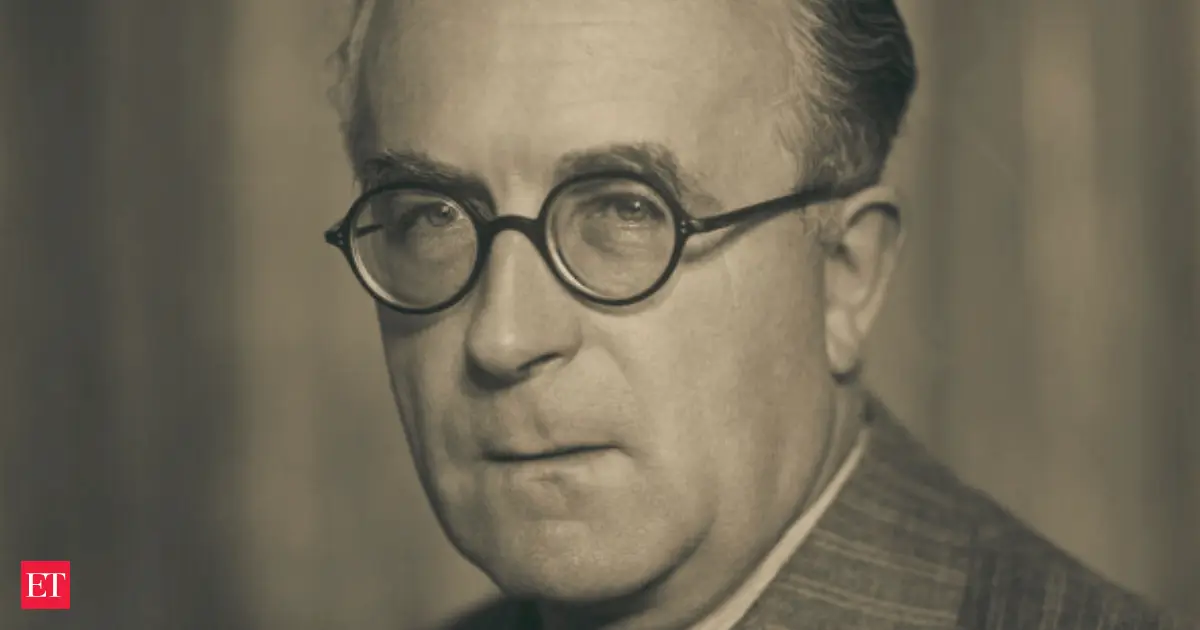
Sir Cyril Radcliffe, a British barrister with no prior experience of India, was given just five weeks in July 1947 to draw the borders dividing Punjab and Bengal between India and Pakistan.…
The Story in Brief
Sir Cyril Radcliffe, a British barrister with no prior experience of India, was given just five weeks in July 1947 to draw the borders dividing Punjab and Bengal between India and Pakistan. The Radcliffe Line, announced on August 17 after independence, split villages, farms and railway lines, triggering one of the largest mass migrations in history. An estimated 12-15 million people were displaced and over a million died in the ensuing violence. The boundary remains a source of tension between the two countries.
The Indian Opinion
The story of Radcliffe's border is often told as a tale of one man's arbitrary line. But the real scandal was the political rush: the British government gave him five weeks to divide a deeply interwoven society. The violence and displacement that followed were not inevitable, but the rushed timeline made them almost certain. The question remains: who really bears responsibility for the human cost of Partition? The number of lives lost, over a million, forces us to look beyond Radcliffe to the decision-makers who set the clock.
Sources (2): economictimes.indiatimes.com, businesstoday.in
This story was synthesised by AI from the 2 sources linked above.
Updated: this story now draws on 2 sources.