












Now Reading: Supreme Court flags abuse of process against student protesters
-
01
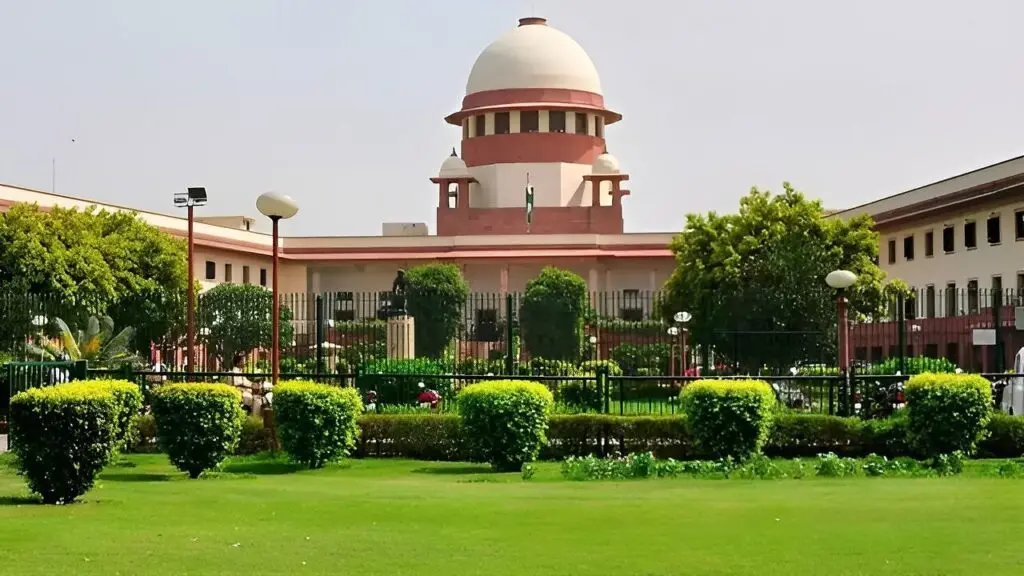
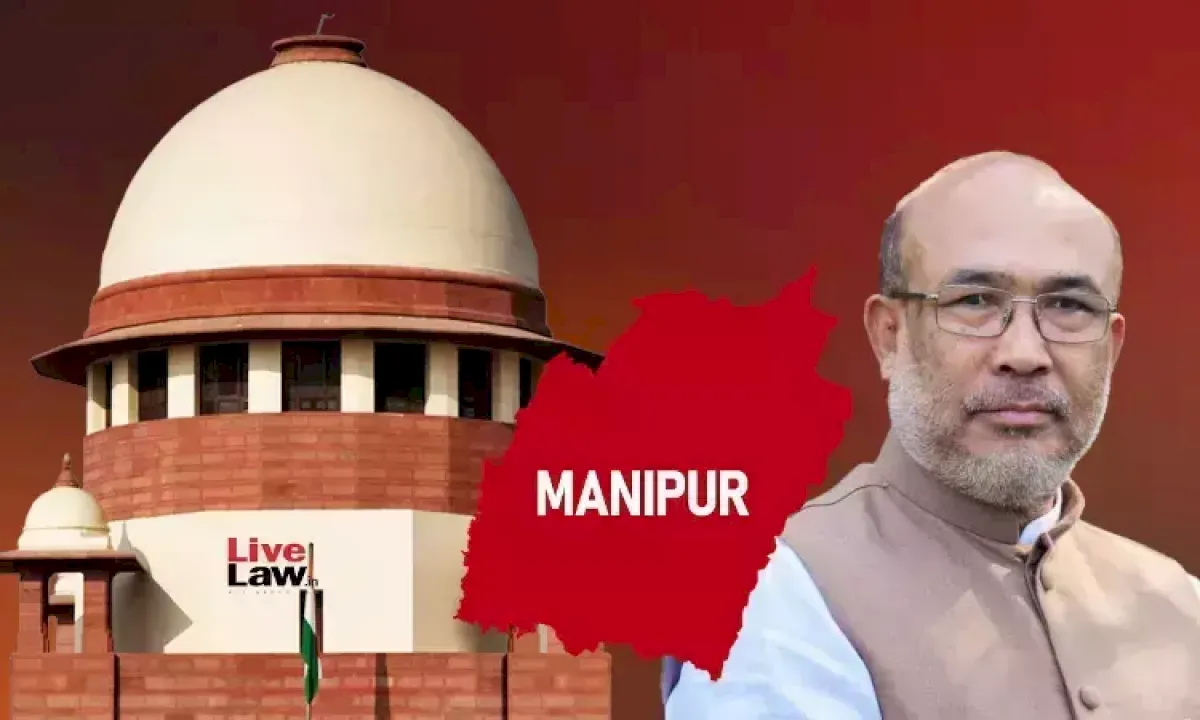
Supreme Court flags abuse of process against student protesters


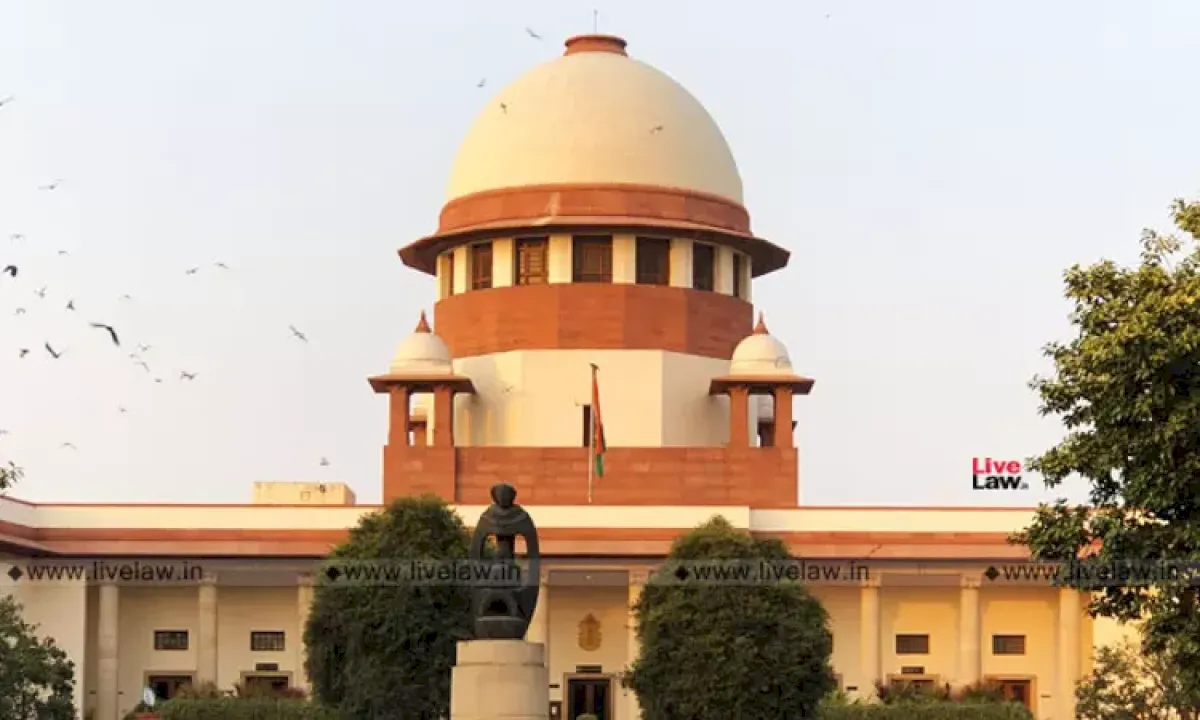
The Supreme Court on Tuesday restrained police from taking coercive action against protesting students unless they have criminal antecedents, taking cognisance of multiple petitions alleging illegal detentions. The court heard a plea…
The Story in Brief
The Supreme Court on Tuesday restrained police from taking coercive action against protesting students unless they have criminal antecedents, taking cognisance of multiple petitions alleging illegal detentions. The court heard a plea by a first-year law student, Yogesh Meena, who was arrested in 11 FIRs after the Noida workers' protest. His lawyer told the bench that the student was picked up from outside college, beaten, and subjected to casteist slurs. The court noted the alleged abuse of process but suggested the student pursue remedies such as bail and quashing of FIRs.

In a separate petition, a volunteer distributing food at Jantar Mantar claimed he was blindfolded, detained overnight, and abandoned near Dehradun by Delhi Police personnel. Another petition by a Bihar law student alleged he was arrested without grounds and kept in custody despite the state government's decision not to take punitive action against protesters. The court has allowed investigations to continue but restrained arrests of students without criminal antecedents.
The Indian Opinion
Two narratives compete: that police are suppressing dissent, or that students are law-breakers. The court itself noted the abuse of process, a student arrested in 11 FIRs, beaten, and subjected to casteist slurs. Meanwhile, a volunteer for food distribution was blindfolded and abandoned hours from Delhi. The question is not whether protests are legal, but whether the state's response is proportionate. Will the police file chargesheets with specific evidence, or will the FIRs remain vague and numerous?
Sources (2): livelaw.in, thehindu.com
This story was synthesised by AI from the 2 sources linked above.
Updated: this story now draws on 2 sources.