











Now Reading: Marine heatwaves threaten physical and mental health, experts warn
-
01
Marine heatwaves threaten physical and mental health, experts warn

Marine heatwaves threaten physical and mental health, experts warn

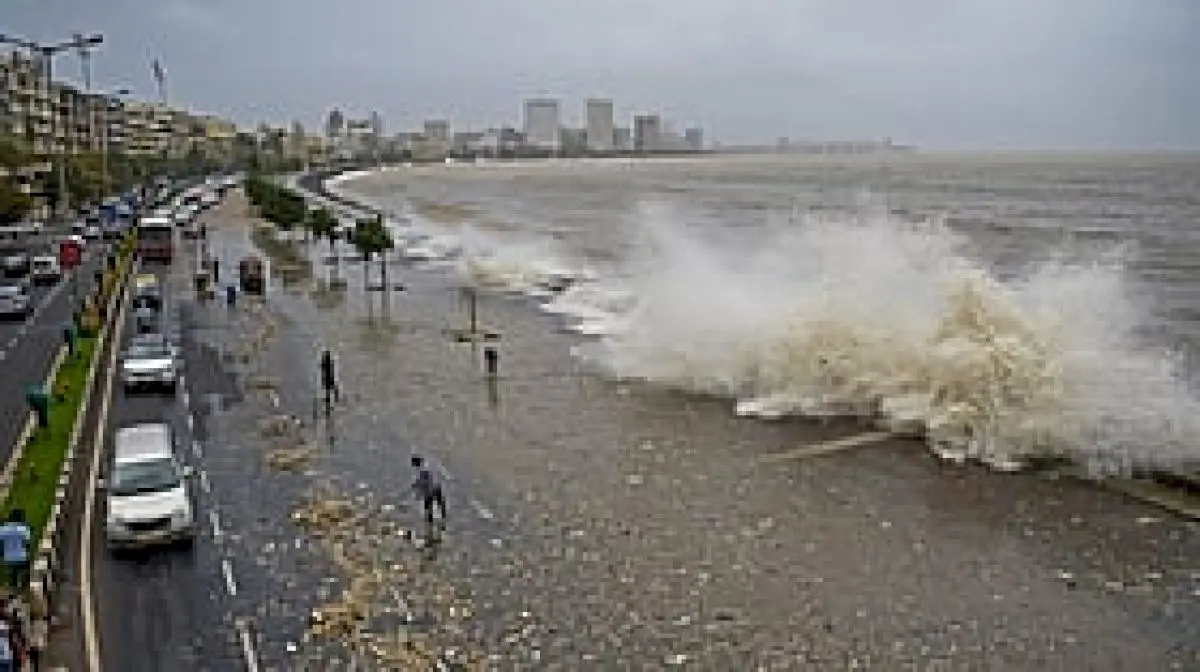
Harmful algal blooms from warming oceans can contaminate seafood, posing serious health risks. Declining fish stocks and falling seafood production threaten food security for billions worldwide, with coastal communities facing disrupted livelihoods…
The Story in Brief
Harmful algal blooms from warming oceans can contaminate seafood, posing serious health risks. Declining fish stocks and falling seafood production threaten food security for billions worldwide, with coastal communities facing disrupted livelihoods and destroyed marine ecosystems that damage cultural identity and economic survival.
Researchers also highlight psychological scars from marine heatwaves, including anxiety and grief from witnessing ecosystem degradation and livelihood uncertainty. Dr. Falkenberg notes that when marine ecosystems suffer, impacts ripple through communities. Experts urge governments to treat marine heatwaves with the same urgency as land heatwaves, integrating forecasts into public health planning and strengthening coordination between ocean scientists and health authorities.
The Indian Opinion
The narrative that marine heatwaves are a distant problem misses how quickly they affect Indian fisheries and coastal communities. Alarmist eco-anxiety claims distract from concrete steps: India's fisheries ministry must integrate ocean temperature forecasts into disaster planning and seafood safety checks. The real test is whether the government will fund early warning systems before mass fish deaths hit Tamil Nadu or Kerala coastlines.
Source: nationalheraldindia.com
This story was synthesised by AI from the source linked above.