























Now Reading: Earth’s declining albedo is adding to global warming
-
01
Earth’s declining albedo is adding to global warming


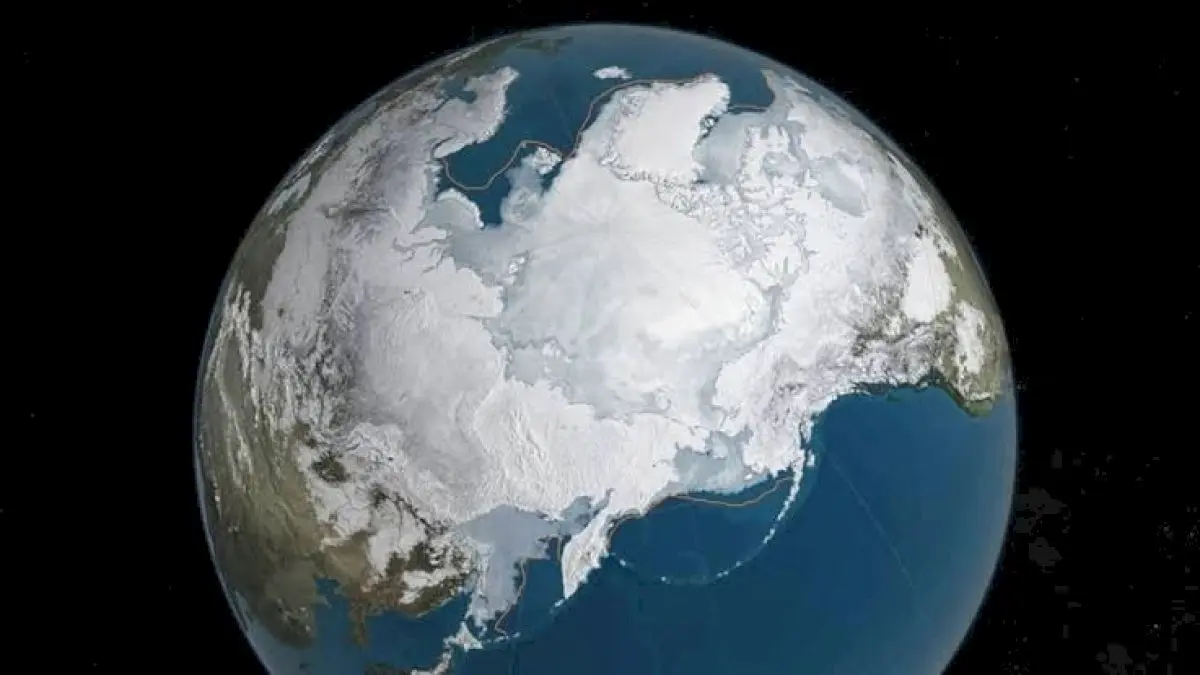
NASA observations since 2000 show a declining trend in Earth’s albedo, the share of sunlight reflected back into space, Business Today reports. Estimates cited by the publication suggest the loss has added…
The Story in Brief
NASA observations since 2000 show a declining trend in Earth’s albedo, the share of sunlight reflected back into space, Business Today reports. Estimates cited by the publication suggest the loss has added about 0.2°C to recent warming. Snow and ice can reflect up to 90% of sunlight, while oceans reflect less than 10%. As ice melts, darker surfaces absorb more heat, creating a feedback loop that can drive further warming.
The effects could include greater heat stress, lower crop yields, pressure on livestock, warmer oceans, coral bleaching and habitat loss. Declining glaciers and snowpack may also affect freshwater supplies. Reducing greenhouse-gas emissions remains the main response. Lighter urban surfaces and protecting snow and ice may help, while proposed climate interventions carry risks and do not remove greenhouse gases.
The Indian Opinion
Claims that albedo loss will suddenly send the climate into uncontrollable warming overstate what the source says. But dismissing it as a distant polar issue is just as lazy. The practical concern is how heat, water, food and ecosystems interact, especially for outdoor workers and farming communities. Proposed reflective technologies cannot substitute for cutting emissions. The useful test is whether future emissions reductions slow warming and whether ice and snow loss continue at the current pace.
Source: businesstoday.in
This story was synthesised by AI from the source linked above.