














Now Reading: Quit India Movement: How Indians Defied British Rule in 1942
-
01
Quit India Movement: How Indians Defied British Rule in 1942


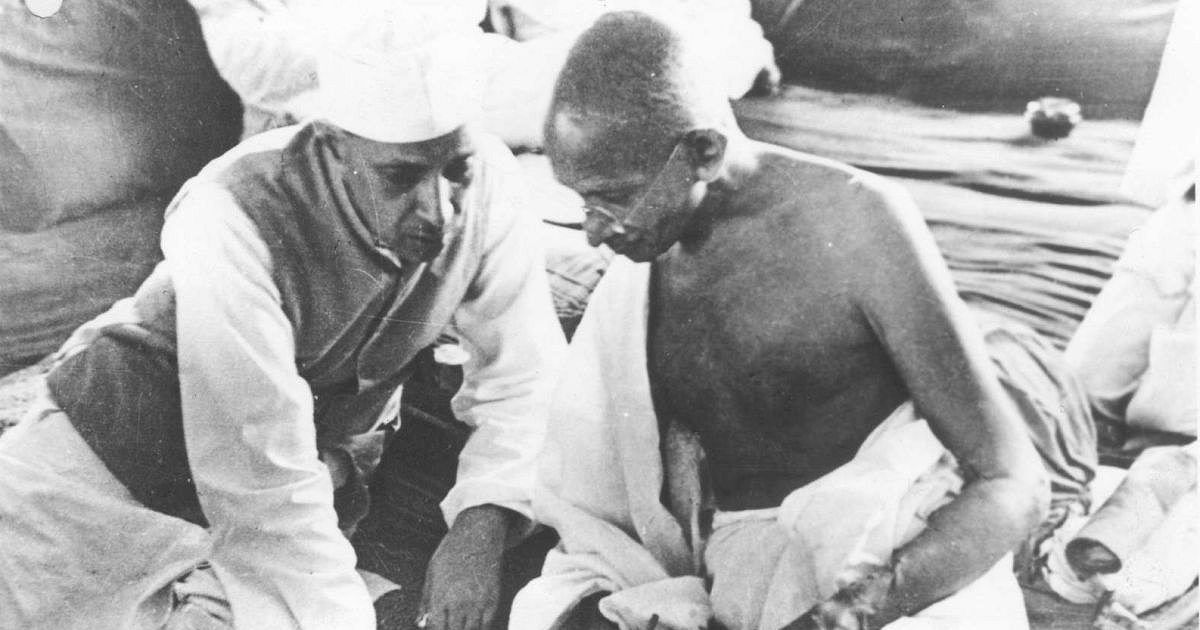
The Quit India Movement became a mass uprising after Congress leaders were arrested on August 9, 1942. Gandhi had urged Indians to “Do or Die” after the failure of the Cripps Mission,…
The Story in Brief
The Quit India Movement became a mass uprising after Congress leaders were arrested on August 9, 1942. Gandhi had urged Indians to “Do or Die” after the failure of the Cripps Mission, which offered dominion status rather than complete independence. With the leadership detained, students, workers, farmers and women organised strikes, boycotts and underground resistance across India.
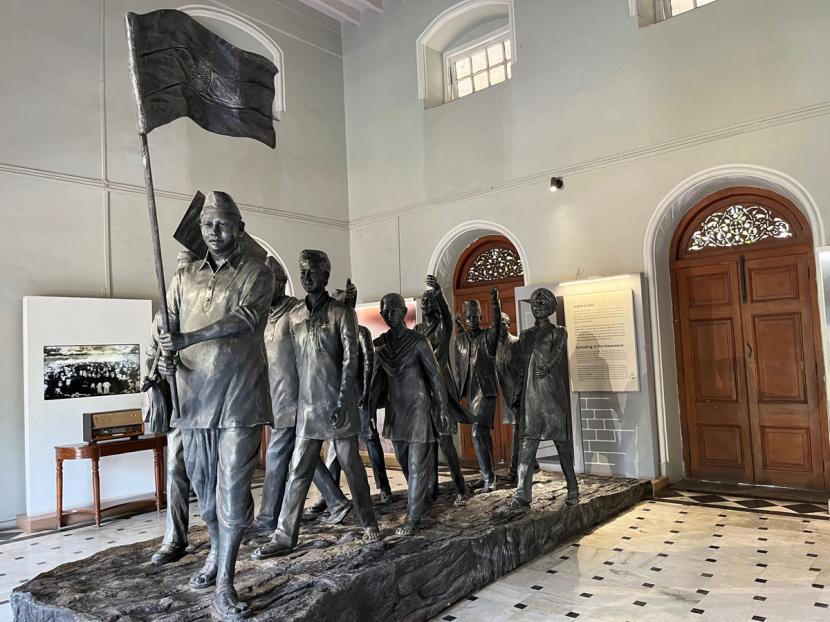
Rediff reports that 900 civilians were killed, 60,000 arrested and 538 punished by whipping between August and November 1942. Police stations, railways and courts were attacked, while Usha Mehta helped run a secret radio service. Seven students were killed while trying to hoist the national flag at Patna’s secretariat. The British suppression was severe, but the movement created a broad popular challenge to colonial rule.
The Indian Opinion
The lazy version of 1942 presents either a leaderless outburst or a perfectly unified national campaign. The record supports neither. Congress leaders were imprisoned, yet underground organisers, students, workers and women kept resistance alive, while attacks on public institutions also brought violence and repression. Claims that one group alone won freedom ignore this wider participation. The clearest measure is the documented toll: 900 civilians killed and 60,000 arrested in four months.
Source: rediff.com
This story was synthesised by AI from the source linked above.
Updated: this story now draws on 1 sources.