

















Now Reading: New law to curb exam cheating gets tougher penalties
-
01
New law to curb exam cheating gets tougher penalties


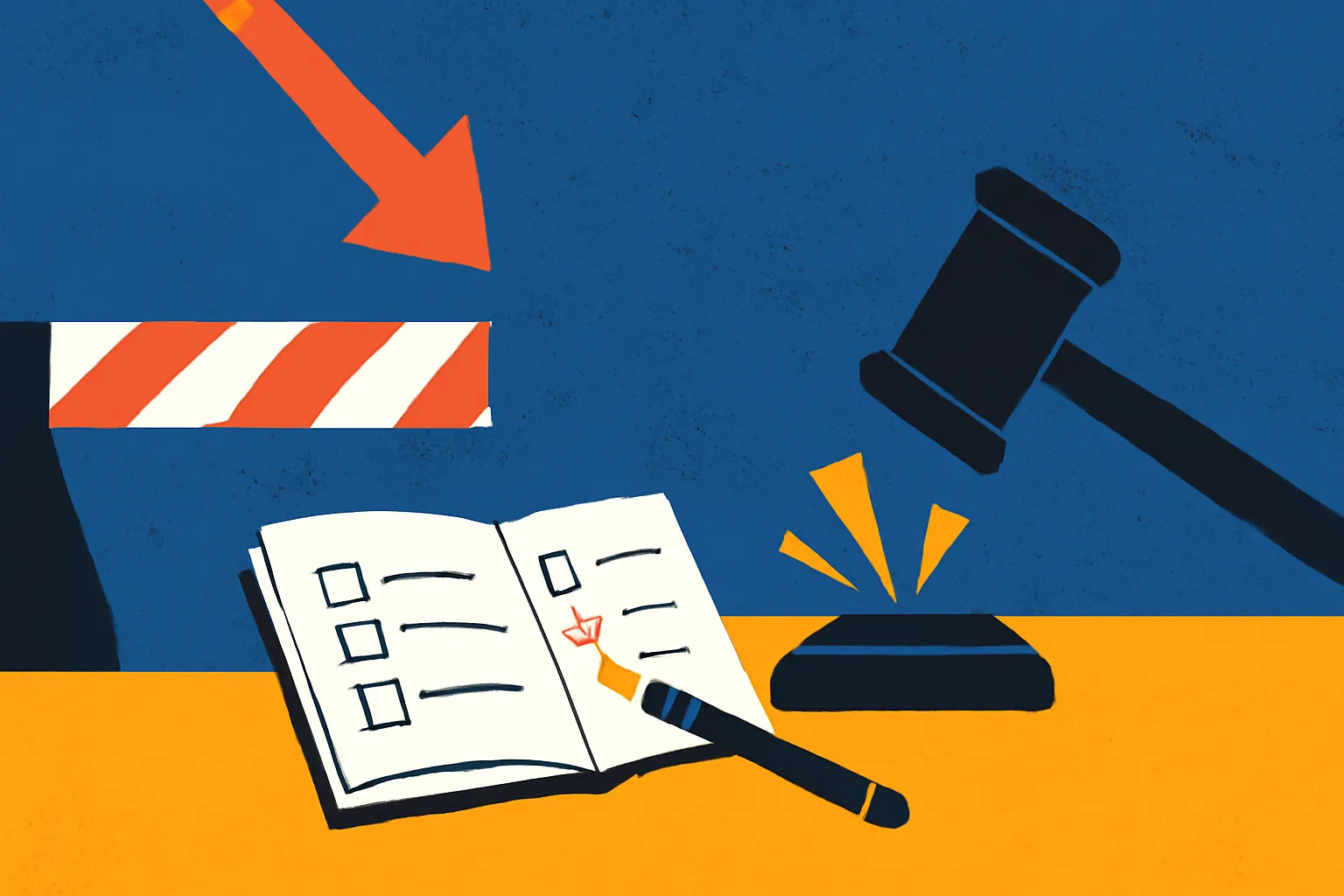
India has enacted the Public Examinations (Prevention of Unfair Means) Amendment Act, 2026, introducing stricter penalties, faster investigations, and dedicated courts to tackle paper leaks and cheating in public exams. Former CBIC…
India has enacted the Public Examinations (Prevention of Unfair Means) Amendment Act, 2026, introducing stricter penalties, faster investigations, and dedicated courts to tackle paper leaks and cheating in public exams. Former CBIC chairman Najib Shah, in an analysis on CNBC TV18, examines whether the tougher law can restore trust in the examination system.
The Act aims to deter organised cheating syndicates that have plagued major recruitment and entrance tests in recent years. Key provisions include harsher punishment for offenders and a streamlined legal process to ensure speedy trials. The law is part of the government's broader effort to clean up the examination system, which has seen multiple high-profile leaks.
Shah questions whether the new provisions will be effectively implemented on the ground or remain merely tougher on paper. The success of the law will depend on the efficiency of the dedicated courts and the investigative agencies in handling cases without delays.
Indian Opinion Analysis
The real measure of the 2026 Act will be how quickly the dedicated courts dispose of cases, since delayed trials have historically eroded deterrence in economic offences. Past exam leak cases, such as the 2018 Madhya Pradesh Vyapam scandal and the 2023 UPPSC paper leak, took years to reach conviction, allowing repeat offenders to operate. With over a dozen state-level recruitment exams cancelled or postponed in the last five years due to leaks, the cumulative loss of aspirant time and government expenditure runs into thousands of crores. The next big test will be the first case charged under the new law and the time it takes to secure a conviction.
Source: linkedin.com
This brief was synthesised by AI from the source linked above.