Now Reading: Papad Khar attracts 18% GST, says Gujarat AAR
-
01
Papad Khar attracts 18% GST, says Gujarat AAR


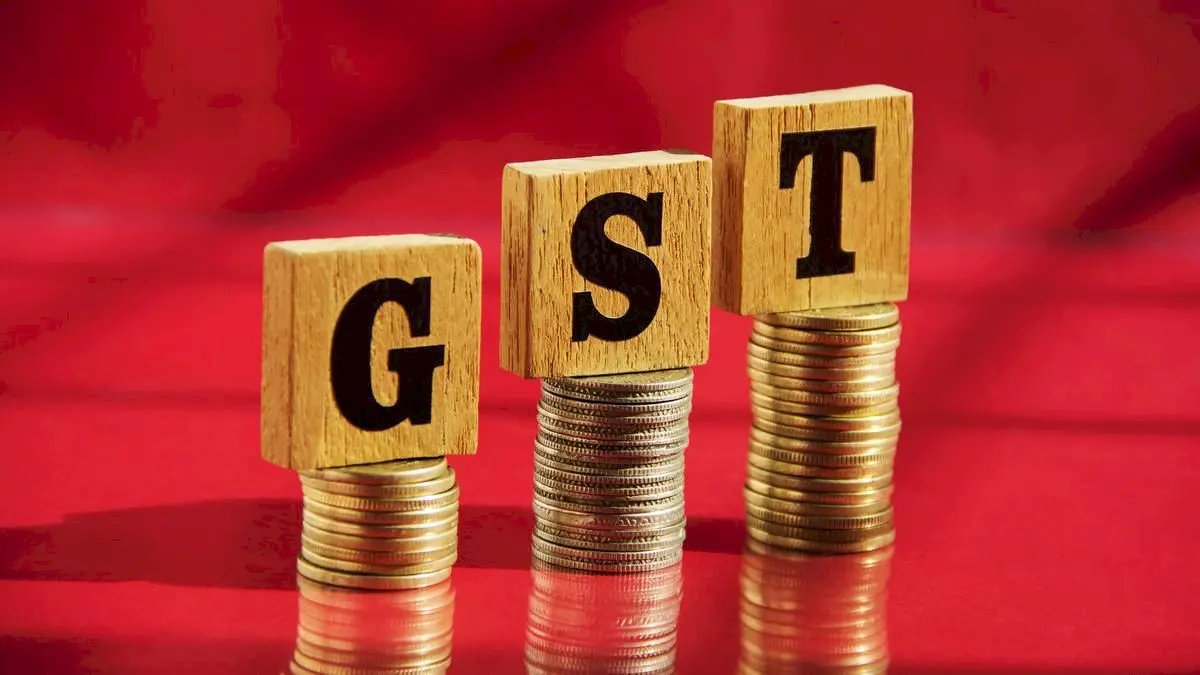
The Gujarat Authority for Advance Rulings (AAR) has ruled that Papad Khar, a key ingredient used in making papads, will attract an 18 per cent GST. This comes despite the finished product,…
The Story in Brief
The Gujarat Authority for Advance Rulings (AAR) has ruled that Papad Khar, a key ingredient used in making papads, will attract an 18 per cent GST. This comes despite the finished product, papad, being exempt from GST. The applicant, Rajkot-based Sardar Chemical Industries, argued that since papad is exempt, its raw materials should receive similar or preferential treatment. The AAR rejected this, stating that GST classification for inputs and final products is independent and determined by their own HSN codes, not by supply-chain position. It also declined to classify Papad Khar as common salt at 5 per cent GST or as a prepared food additive. Chemically a mixture of sodium carbonate and sodium bicarbonate, Papad Khar is used to give crispiness and shelf life to papads.
The ruling clarifies that there is no automatic exemption or lower rate for raw materials just because the end product is tax-free. The AAR noted that the government sets GST rates based on economic policies and GST Council recommendations. Papad Khar, also known as saji khar, is traditionally used in Indian cuisine.
The Indian Opinion
Another GST ruling that feels like a tax on tradition. Some will cry that taxing an essential papad ingredient while exempting the papad itself is illogical. But the AAR is technically correct: GST rates for inputs and outputs are set independently, not as a chain. The real question is whether this 18 per cent levy will push up papad prices or just squeeze small manufacturers. Watch for any move by the GST Council to reclassify Papad Khar if consumer impact becomes visible.
Source: thehindubusinessline.com
This story was synthesised by AI from the source linked above.